The landscape of global marketing and corporate strategy reached a definitive turning point during the Cannes Lions International Festival of Creativity 2026, where the traditional boundaries between advertising, public relations, and executive leadership effectively dissolved. This shift was punctuated by the widespread resonance of the “Revenge of the Publicists” narrative, originally popularized by The Wall Street Journal, which documented the unprecedented migration of communications executives into the highest echelons of the C-suite. As the festival unfolded along the French Riviera, it became increasingly clear that the communications profession is no longer a peripheral support function but a central pillar of corporate governance and brand resilience.
The Strategic Shift: From Marketing Jargon to Boardroom Influence
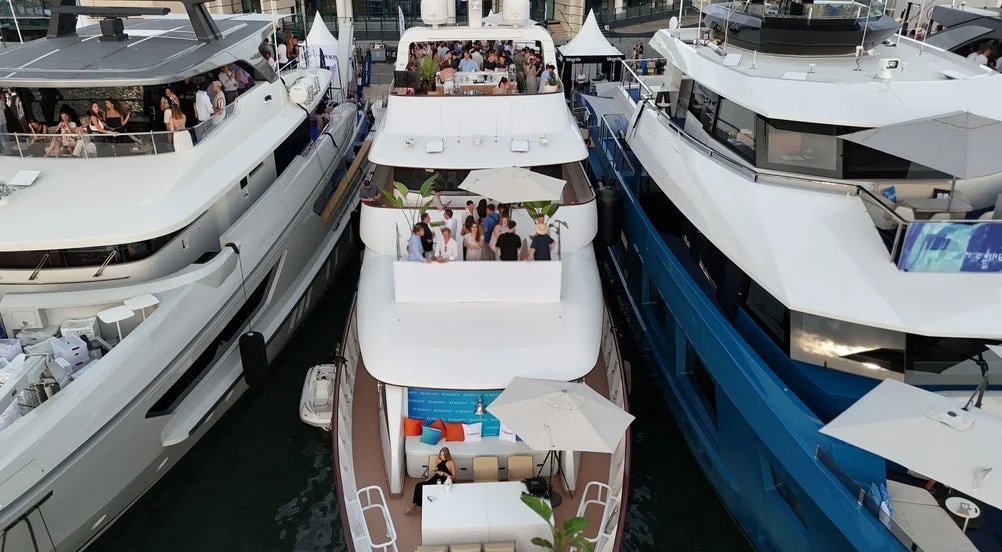
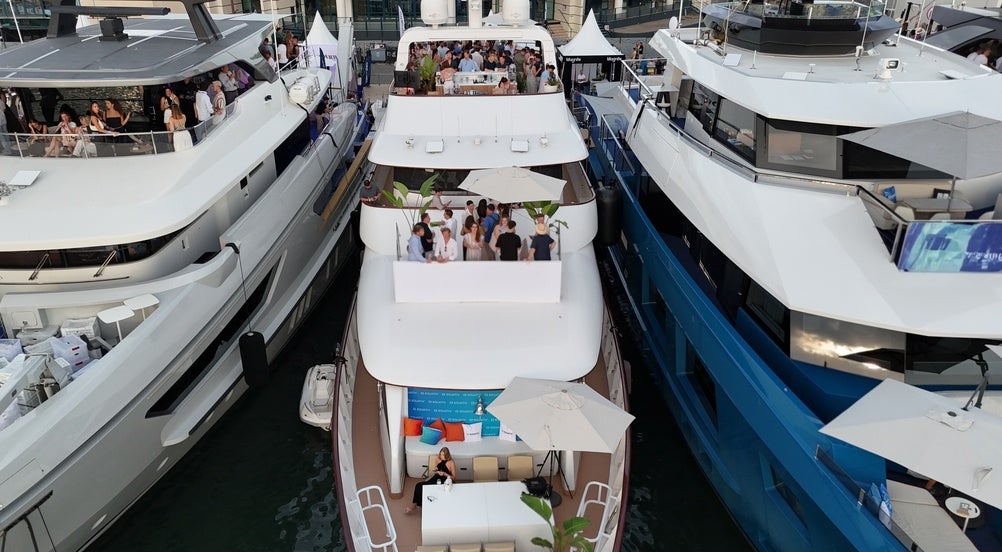
The 2026 festival was characterized by a palpable sense of professional vindication for communications practitioners. For decades, Cannes Lions was primarily the domain of creative directors and ad agencies. However, the 2026 iteration saw a surge in participation from Chief Communications Officers (CCOs) and public relations strategists, many of whom occupied the most exclusive venues in the Old Port, including chartered vessels such as the Equativ yacht.
The momentum behind this shift stems from a fundamental change in how global brands navigate an increasingly volatile information environment. With the rise of stakeholder capitalism and the complexities of geopolitical sensitivities, the ability to manage reputation and craft authentic narratives has become more valuable than the ability to produce high-budget television commercials. Industry analysts at the event noted that the “Revenge of the Publicists” is not merely a trend but a structural realignment of corporate power, where the “gatekeepers” of information have become the “architects” of brand strategy.
The Duality of Modern Narrative: Macro and Micro Storytelling
One of the most significant thematic pillars discussed during the festival was the evolving methodology of media engagement. At a high-level panel hosted at RTL Beach, featuring senior editors and writers from TIME, The Washington Post, and The Wall Street Journal, the discussion centered on the intense pressures facing modern newsrooms. While the volume of reporting has remained constant, the speed of the news cycle and the demand for verified, trusted information have reached record levels.
The consensus among these media leaders was that “trusted sources” have become the most valuable currency in journalism. For communicators, this necessitates a two-pronged approach to storytelling:
- Macro Storytelling: These are the “big moments”—major product launches, mergers, or global initiatives that capture headlines and define a brand’s public persona.
- Micro Storytelling: This involves the consistent, incremental positioning of executives and organizations as subject matter experts (SMEs). By providing reporters with data-driven insights and expert perspectives on complex, niche topics, brands build a “share-of-voice” that compounds over time.
Analysis of media trends in 2026 suggests that micro storytelling is often more effective for long-term reputation building. By serving as a reliable resource for a journalist covering a specific beat—such as artificial intelligence ethics or supply chain sustainability—a brand earns a level of trust that cannot be purchased through traditional advertising.
Understanding the Journalist’s Ecosystem: KPIs and Business Metrics
A pivotal moment of the festival occurred aboard the Press Gazette’s News Yacht, where representatives from Bloomberg, CNN, and Reuters gathered to discuss the economic realities of modern journalism. For many public relations professionals in attendance, the session provided a sobering look at the performance metrics that now govern newsrooms.
In the current media economy, journalists are no longer judged solely on the quality of their prose or the importance of their “scoops.” Instead, they are held accountable to specific Key Performance Indicators (KPIs) that mirror those of any other digital business. According to insights shared by the Chief Revenue Officer of The Washington Post, these metrics include:
- Subscription Conversions: The number of new readers who sign up for a paid subscription after reading a specific article.
- Readership and Retention: Total page views and, more importantly, the amount of time a reader spends on a page.
- Social Amplification: The frequency with which a story is shared across professional networks like LinkedIn and X (formerly Twitter).
- Return Visits: Whether a story encourages a reader to return to the publication in the future.
This realization has profound implications for how PR professionals pitch stories. The most successful communicators in 2026 are those who frame their pitches to support the journalist’s business objectives. This includes providing proprietary data sets, suggesting multi-part series that encourage repeat readership, and offering visual assets that increase engagement. The goal is to make the journalist’s job easier by providing a comprehensive package that is “ready to publish” and optimized for digital performance.
The Human Element in a Technological Age
Despite the heavy emphasis on data and metrics, Cannes Lions 2026 also reinforced the enduring importance of human connection. At Axios House, the CEO of The New York Times delivered a keynote that resonated deeply with the audience: “Seek to understand before being understood.”
This philosophy highlights a return to the foundational principles of public relations: relationship building. In an era where automated email sequences and AI-generated pitches have saturated journalists’ inboxes, the value of a face-to-face meeting or a personal phone call has increased. Industry veterans at the festival emphasized that the most significant media wins rarely result from cold outreach. Instead, they are the result of long-term relationships built over coffee, industry events, and informal networking.
Communications remains one of the few professions where interpersonal emotional intelligence provides a distinct competitive advantage over automation. The festival served as a reminder that while the tools of the trade are changing, the core objective—building trust between humans—remains constant.
The Role of Artificial Intelligence: Control Over Hype
While previous years at Cannes were dominated by speculative discussions about the potential of Artificial Intelligence, the 2026 festival took a more pragmatic and measured tone. AI is no longer a futuristic concept; it is a standard component of the media landscape. However, the conversation has shifted from “Will AI replace us?” to “How do we control the output?”
Two quotes from the festival encapsulated the industry’s current stance on technology:
- “AI needs publishers much more than publishers need AI.” This refers to the ongoing legal and economic battles over the training of Large Language Models (LLMs) and the necessity of high-quality, human-generated content to prevent model collapse.
- “Focus on what you can control and do good work.” This serves as a directive for communicators to use AI for efficiency—such as data analysis and monitoring—while retaining human oversight for creative strategy and ethical decision-making.
Data presented during the technology sessions indicated that while LLMs have become a “secondary internet” for information retrieval, users still gravitate toward established news brands when they require verification and depth. This reinforces the need for brands to maintain high standards of accuracy in their communications.
Chronology of Key Events at Cannes Lions 2026
The progression of the festival followed a thematic arc that mirrored the evolution of the industry:
- Monday: The State of the Industry. The opening sessions focused on the economic recovery of the media sector and the “Revenge of the Publicists” phenomenon.
- Tuesday: Data and Strategy. Workshops at the Palais des Festivals focused on how PR pros can use real-time analytics to adjust their messaging strategies.
- Wednesday: The Media-Brand Partnership. Panels at RTL Beach and the News Yacht explored the symbiotic relationship between newsrooms and corporate communications departments.
- Thursday: Innovation and Ethics. A focus on AI governance and the role of communicators in combating misinformation and “deepfake” content.
- Friday: The Human Connection. Closing remarks at Axios House and other venues emphasized the importance of empathy, networking, and long-term relationship management.
Broader Impact and Implications for the Future
The insights gathered from Cannes Lions 2026 suggest that the role of the communicator has been permanently elevated. As organizations face scrutiny from regulators, activists, and an informed public, the CCO has become an essential partner to the CEO.
The implications for the future of the industry are clear. Public relations is no longer about “spinning” a story; it is about strategic alignment between an organization’s actions and its public declarations. The move toward “trusted source” status requires brands to be more transparent, data-oriented, and human-centric.
As the industry moves into the second half of 2026, the focus will be on implementing the “macro and micro” strategy. Brands that can successfully navigate the business needs of journalists while maintaining authentic human connections will be the ones that dominate the narrative in an increasingly crowded digital world. The “Revenge of the Publicists” is not just a headline—it is the new reality of the global business landscape.