WhatsApp, the world’s most ubiquitous messaging platform, has commenced a significant transformation in its core identity system, transitioning from its long-standing reliance on phone numbers to a new framework centered around unique usernames. This pivotal shift, which users are now actively being prompted to prepare for, is designed to enhance user privacy and streamline digital interactions. The global initiative has been launched with a high-profile promotional campaign fronted by world-renowned boxing champion Anthony Joshua, underscoring the magnitude of this strategic pivot for the Meta-owned communication giant. Users are currently being encouraged to reserve their preferred usernames in anticipation of the full feature launch later this year, a move necessitated by WhatsApp’s immense user base exceeding three billion individuals worldwide.
The Paradigm Shift: From Phone Numbers to Digital Handles
For years, WhatsApp’s fundamental operational principle has been its direct link to a user’s phone number. This simplicity was a key driver of its early adoption, allowing seamless integration with existing contact lists and removing the need for separate friend requests or account creation processes. However, in an increasingly privacy-conscious digital landscape, this reliance on phone numbers has become a point of contention. Sharing a phone number exposes users to potential privacy risks, including unwanted contact, spam calls, and the inadvertent disclosure of personal information to strangers in group chats or professional interactions. The move to usernames directly addresses these concerns, providing an optional layer of anonymity and control over personal data.
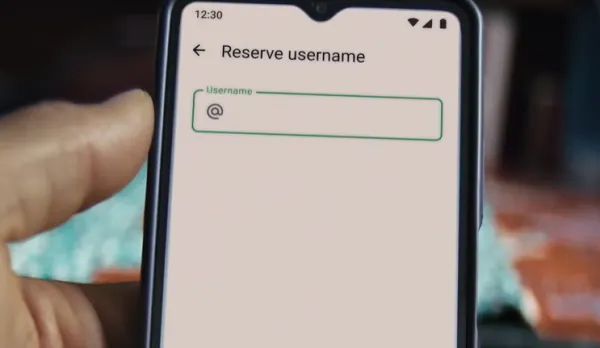
A username will function as a primary identifier, allowing users to connect and communicate without ever having to share their phone number. This means that an individual’s digital identity on WhatsApp can be decoupled from their real-world telephonic identity, a feature that has long been a standard on competitor platforms like Telegram and, to some extent, Signal. This strategic alignment with broader industry trends indicates WhatsApp’s commitment to evolving its service to meet contemporary user expectations for privacy and digital autonomy. The promotional materials, featuring Anthony Joshua, demonstrate the straightforward process of selecting and securing a new digital handle, emphasizing ease of use alongside enhanced privacy.
A Phased Rollout: Chronology of Implementation
The introduction of usernames on WhatsApp is not an overnight change but rather the culmination of a carefully planned, multi-stage implementation process. This methodical approach highlights the complexity of rolling out such a foundational change to a platform used by billions across diverse technical and cultural landscapes.
The initial indicators of this shift emerged in November of the previous year, when reports surfaced of WhatsApp internally testing the integration of usernames. These early trials were crucial for identifying potential technical hurdles and gathering preliminary user feedback on the functionality and user experience. This experimental phase allowed developers to refine the feature before a broader public rollout.
Following the internal testing, WhatsApp began a more visible integration in January of the current year. During this period, the platform initiated displaying usernames on user profiles, even if the functionality for direct connection via username was not yet fully active. This subtle change served as an early signal to the user base about the impending transformation and allowed for a gradual acclimatization to the concept of a username as a public-facing identifier. It also provided a soft launch for users to understand where their username would eventually appear and how it would integrate with their existing profile.
The current phase, commencing this week, marks a significant milestone: the opening of username reservations. This pre-emptive measure is critical given the sheer scale of WhatsApp’s user base. With over three billion active users, the potential for username overlap is immense. By allowing users to reserve their preferred handles ahead of the full launch, WhatsApp aims to mitigate the rush and potential frustration associated with finding a unique and meaningful username. The company explicitly stated, “Starting this week, you can reserve a username to use later this year when we launch this feature. With over three billion people on WhatsApp a lot of names overlap, which is why we’re opening reservations early so everyone has the opportunity to select the username that matters to them.” This strategy underscores a user-centric approach, prioritizing individual choice and personalization.
The full implementation of usernames, enabling direct connection and communication solely via the chosen handle, is slated for “later this year.” WhatsApp has indicated that the rollout will be gradual, occurring “over the coming months,” and users will be notified within the app when the feature becomes available in their specific region. This staggered approach is typical for major platform updates, allowing for monitoring, adjustments, and ensuring system stability across its vast global infrastructure.
Privacy at the Forefront: Securing Digital Interactions
The primary motivation behind WhatsApp’s transition to usernames is a robust commitment to enhancing user privacy. In an era where digital security and data protection are paramount concerns, offering users greater control over their personal information is a strategic imperative. The introduction of usernames provides several distinct privacy benefits:
-
Phone Number Anonymity: The most significant advantage is the ability to communicate on WhatsApp without exposing one’s phone number. Previously, adding someone to WhatsApp inherently meant sharing your phone number, even if only for a fleeting interaction. With usernames, users can provide their handle to new contacts, professional acquaintances, or online communities without revealing this sensitive personal identifier. This significantly reduces the risk of unwanted calls, text messages, or the collection of phone numbers by third parties.
-
Reduced Spam and Unwanted Contact: By obfuscating phone numbers, the new system inherently makes it more difficult for spammers and telemarketers to target users. While not a complete panacea, it adds a layer of protection against automated systems that scrape phone numbers from public sources or group chats. Users will no longer have to worry about their number being visible in large groups where they might not know all participants.
-
No Public Directory or Suggestions: WhatsApp has explicitly stated that its username system will operate without a public directory or automatic suggestions. This means that unlike some social media platforms where users can browse or be suggested accounts, WhatsApp will require an exact username to initiate contact. This design choice further reinforces privacy by preventing unsolicited contact from individuals who might simply be browsing for profiles.
-
Optional Username Key for Enhanced Security: Going a step further, WhatsApp has introduced an “optional username key.” This additional layer of security means that in some instances, users might need to provide not just the exact username but also a specific key to enable messaging. While details on the implementation of this key are still emerging, it suggests a highly granular control over who can initiate contact, offering an unparalleled level of privacy for those who choose to utilize it.
-
Empowerment and Control: Ultimately, this shift empowers users with greater control over their digital identity and how they choose to present themselves online. It aligns WhatsApp with a global movement towards greater digital autonomy, allowing individuals to manage their privacy settings more effectively and dictate the terms of their online interactions.
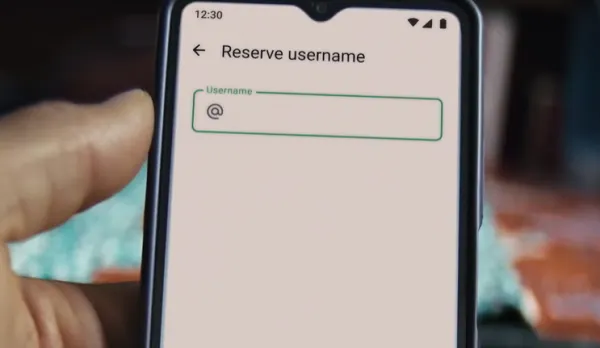
Users can reserve their username within the application by navigating to Settings > Account > Username. This intuitive process ensures that the privacy enhancements are accessible to the broad user base, not just technologically savvy individuals.
Strategic Advantages for Businesses and Creators
While individual user privacy is a central tenet of this update, the introduction of usernames also carries significant implications and advantages for businesses, content creators, and organizations that leverage WhatsApp for customer engagement and communication. In a connected ecosystem like Meta’s, consistency in branding is paramount.
WhatsApp has recognized this need, stating, “We also know that some people like creators, small businesses, and organizations may want to maintain a consistent presence online. For them, we reserved an option to claim their existing Instagram or Facebook username on WhatsApp.” This is a critical feature for brands already established on Meta’s other flagship platforms. It allows for:
-
Consistent Brand Identity: Businesses and creators can maintain a uniform digital presence across Instagram, Facebook, and now WhatsApp. This consistency is vital for brand recognition, trustworthiness, and ease of discovery for customers. A familiar username across platforms reinforces brand identity and simplifies user experience.
-
Streamlined Customer Engagement: With a consistent username, customers can easily find and engage with businesses on WhatsApp, whether for support, sales, or informational updates. This reduces friction in the customer journey and encourages more direct, personal communication channels.
-
Protection Against Impersonation and Cybersquatting: By offering a mechanism to claim existing usernames, WhatsApp provides a layer of protection against malicious actors attempting to impersonate legitimate businesses or creators. While not foolproof, it helps secure established digital identities within the Meta ecosystem. The ability to reserve these names early is particularly important for high-profile brands and individuals.
-
Enhanced Professionalism: For many businesses, using a personal phone number for customer interactions can appear unprofessional. A dedicated username provides a more formal and structured communication channel, aligning with business best practices.
Businesses and organizations interested in reserving their existing Instagram or Facebook usernames on WhatsApp are directed to a specific link provided by the platform. However, a notable caveat is that businesses can only reserve these usernames using a mobile device, indicating a mobile-first strategy for this particular functionality. This might pose a minor logistical challenge for businesses that primarily manage their social media presence from desktop interfaces but is a common trend in app-centric platform development.
The User Experience: Reserving Your Digital Handle
The process of reserving a username is designed to be straightforward for the average user. As indicated, the pathway is Settings > Account > Username within the WhatsApp application. Upon navigating to this section, users will likely be presented with options to either input a desired username or utilize a generator tool provided by WhatsApp.
Given WhatsApp’s enormous user base, the company has wisely anticipated the challenge of uniqueness. The explicit mention of “over three billion people on WhatsApp” and the acknowledgement that “a lot of names overlap” underscores the ‘first-come, first-served’ nature of this reservation period. This necessitates prompt action from users who desire a specific, highly coveted, or personalized handle. Users are advised to consider multiple options and act quickly to secure their preferred identity before it is taken by another user.
The generator tool, if actively implemented, could be a valuable feature for users struggling to find a unique name. It might suggest variations, add numbers, or combine elements to create an available handle, easing the selection process and reducing user frustration. This aspect of the user experience will be crucial in ensuring widespread adoption and satisfaction with the new system.
Competitive Landscape and Industry Trends

WhatsApp’s move to usernames is not an isolated development but rather a strategic response to evolving user expectations and a competitive messaging landscape. Several prominent messaging platforms have long offered username functionality, and WhatsApp’s adoption brings it into closer alignment with these competitors.
- Telegram: Telegram, a direct competitor in the encrypted messaging space, has utilized usernames since its early days. This feature has been a significant differentiator, allowing users to connect without sharing phone numbers and facilitating public channels and groups discoverable by username. WhatsApp’s change effectively neutralizes this long-standing competitive advantage.
- Signal: While Signal primarily emphasizes phone number-based connections for its end-to-end encrypted messaging, it has also explored and implemented features that allow for more private interactions, albeit not through a public username system in the same vein as Telegram or now WhatsApp.
- Other Social Platforms: Platforms like Instagram, X (formerly Twitter), and TikTok are built entirely around usernames, making it the de facto identifier for digital interaction. WhatsApp’s integration of usernames signals a maturation of the platform, bringing it more in line with broader social media identity conventions.
This shift by WhatsApp reflects a broader industry trend towards offering users more granular control over their digital identity and privacy. As data privacy regulations become more stringent globally (e.g., GDPR, CCPA), and user awareness of data exposure risks increases, platforms are compelled to adapt their core functionalities. By embracing usernames, WhatsApp positions itself as a modern, privacy-aware communication platform, capable of meeting the demands of its diverse global user base.
Meta’s Broader Vision: Interoperability and Ecosystem Integration
The introduction of usernames on WhatsApp is also an integral part of Meta’s larger strategic vision for its family of applications. Meta, under CEO Mark Zuckerberg, has long articulated a goal of greater interoperability and seamless integration across Facebook, Instagram, and WhatsApp. The ability for businesses and creators to claim existing Instagram or Facebook usernames on WhatsApp is a tangible manifestation of this strategy.
This move facilitates a more unified digital identity within the Meta ecosystem. It allows users and businesses to transition more smoothly between platforms, leveraging a consistent identifier. This could potentially lead to:
- Enhanced Cross-Platform Discovery: A user might find a business on Instagram and then easily connect with them on WhatsApp using the same handle, fostering a more cohesive brand experience.
- Simplified Account Management: For Meta, managing user identities across its various services could become more streamlined, potentially paving the way for more integrated features in the future.
- Future Metaverse Ambitions: While perhaps speculative, a consistent username system could also lay foundational groundwork for Meta’s long-term ambitions for the metaverse, where digital identities might need to traverse various virtual environments and applications within a cohesive framework.
This strategic alignment underscores Meta’s commitment to building a more interconnected and user-friendly ecosystem, where individual and brand identities are portable and recognizable across its vast network of applications.
Challenges and Considerations
While the shift to usernames offers numerous benefits, it also presents several challenges and considerations that WhatsApp and its users will need to navigate:
-
Username Squatting: The ‘first-come, first-served’ nature of username reservations inevitably opens the door to username squatting, where individuals or entities register desirable names with the intent of selling them later or preventing others from using them. While WhatsApp has a process for businesses to claim existing names, individuals may find their preferred handles taken.
-
Identity Management and Account Recovery: The move away from phone numbers as the sole primary identifier may introduce complexities in account recovery processes. WhatsApp will need robust mechanisms to verify identity for users who forget their usernames or lose access to their registered devices, ensuring secure yet accessible account retrieval.
-
Global Rollout Complexities: The “gradual over the coming months” and “available in their region” statements indicate the complexity of a global rollout. This could be due to varying regulatory requirements concerning digital identity and data privacy in different jurisdictions, as well as the technical challenges of deploying such a significant update across a vast and diverse user base.
-
User Education: A massive undertaking will be educating over three billion users about this fundamental change. WhatsApp will need clear, concise, and multi-lingual communication campaigns to ensure users understand how to reserve usernames, the privacy benefits, and how to connect with others using the new system.
-
Potential for Impersonation (New Vectors): While usernames enhance privacy by hiding phone numbers, they could potentially introduce new vectors for impersonation if not managed carefully. Clear guidelines and reporting mechanisms will be crucial to prevent malicious actors from creating misleading usernames.
Conclusion
WhatsApp’s transition to usernames represents a watershed moment for the platform, signaling a profound evolution in how its users will identify and connect with each other. Driven primarily by a strong emphasis on user privacy and control, this shift aligns WhatsApp with modern digital identity standards and positions it more competitively within the global messaging landscape. The phased rollout, from initial testing to the current reservation period and the anticipated full launch later this year, underscores the platform’s careful approach to such a foundational change.
With the backing of a high-profile promotional campaign featuring Anthony Joshua, WhatsApp is effectively communicating the value proposition of this new system: greater privacy, enhanced control, and a more streamlined digital experience. For businesses and creators, the ability to maintain consistent branding across the Meta ecosystem offers strategic advantages. While challenges such as username squatting and the complexities of a global rollout persist, the long-term benefits of a more secure and user-centric identification system are clear. As the “coming months” unfold, the digital world will keenly observe how WhatsApp navigates this significant transformation, solidifying its role as a leader in global communication while empowering its vast user base with unprecedented control over their digital identities.