


In the digital marketing landscape, where every click and every interaction counts, landing pages stand as critical gateways designed to channel visitor intent into tangible action. Unlike the multifaceted nature of broader website content, a landing page possesses a singular, laser-focused objective: to convert visitors into leads or customers by prompting a specific action. However, a pervasive challenge persists: many of these meticulously crafted pages are failing to achieve their conversion goals, even when the underlying offer is demonstrably strong. While design certainly plays a role, the primary culprit behind these lackluster conversion rates is often found within the copy itself. Many landing pages fall into the trap of employing polished, eloquent language that reads well but paradoxically hinders, rather than facilitates, the visitor’s journey toward taking the desired action.
Effective landing page copywriting transcends mere marketing jargon; it simplifies the user experience. Its core function is to enable visitors to rapidly grasp the essence of the offer, ascertain its relevance to their needs, and clearly understand the subsequent step required. When these elements are unambiguously presented, the path to conversion becomes significantly smoother. This guide delves into the indispensable characteristics of high-converting landing page copy, outlines effective writing strategies, and provides a straightforward audit process to ensure your landing pages are optimally designed to capture and retain leads and customers.
The Pillars of Effective Landing Page Copywriting
Effective landing page copy acts as a silent guide, supporting the visitor’s decision-making process. A visitor arrives with a specific level of intent and a finite window of attention. The landing page’s copy must swiftly enable them to evaluate whether the offer warrants further engagement. Strong landing page copy is characterized by several key attributes: the value proposition is articulated early and clearly, the language is centered on outcomes that resonate with the visitor’s concerns, and the overall structure facilitates easy scanning, or skimability.

Reflecting Visitor Intent Across the Marketing Funnel
Landing pages are strategically deployed at various stages of the marketing funnel. A visitor encountering a landing page after reading an educational article might still be in the exploration phase of a problem, whereas someone clicking an advertisement for a product demo or a free trial is typically much closer to making a purchasing decision.
For instance, a software company offering a free trial of its project management tool might target users actively searching for solutions to streamline team collaboration. Their landing page copy should acknowledge this high intent by immediately addressing pain points like missed deadlines or communication breakdowns and clearly outlining the immediate benefits of the trial, such as improved efficiency and real-time visibility. Conversely, a company promoting a downloadable e-book on industry trends would target a broader audience earlier in the funnel. Their landing page copy would focus on the informational value of the e-book, framing it as a resource for understanding emerging opportunities and challenges, without immediately pushing for a transactional commitment.
High-performing copy acknowledges these nuances. Visitors with high intent typically seek concrete details: how a solution functions, what their involvement entails, and what to expect post-signup. When a page dilutes its message with broad statements and unsubstantiated promises, it can appear unfocused and vague, alienating precisely the audience it aims to convert.
- Data Point: Research from Unbounce’s Conversion Benchmark Report indicates that landing pages written at a 5th-to-7th-grade reading level convert at a median rate of over 11%, which is 56% higher than pages written at an 8th- to 9th-grade level and more than double the conversion rate of professional-level writing. This underscores the power of simplicity in conveying value.
Communicating Value with Unwavering Clarity
The majority of visitors scan a landing page before delving into detailed reading. If the headline and introductory sections fail to elucidate the offer, many users will depart. High-converting landing pages make the value proposition immediately understandable. The headline should succinctly convey the essence of the product or service, while the surrounding text elaborates on why this matters to the visitor.
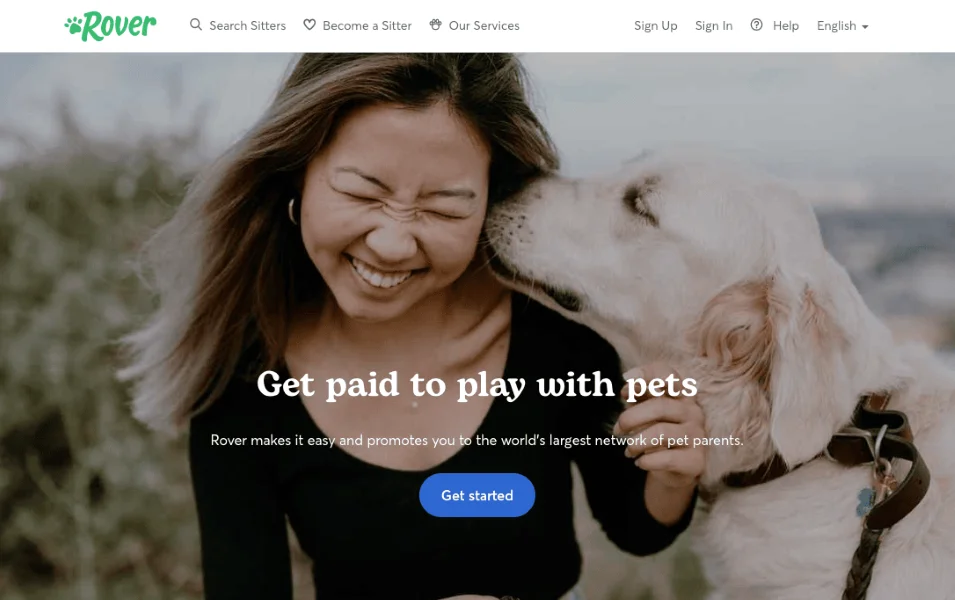
Consider the example of a financial services firm. A landing page for a retirement planning service might feature a headline like “Secure Your Future: Personalized Retirement Planning to Achieve Your Goals.” This immediately tells the visitor what the offer is and what benefit they can expect. Supporting copy would then detail how their personalized approach addresses individual needs, the expertise of their advisors, and the peace of mind that comes with a solid financial plan.
The principle of clear, straightforward writing is paramount. Simpler language reduces the cognitive load required to understand an offer, thereby lowering barriers to engagement. This is not to suggest that sophisticated language has no place, but rather that clarity and directness should always take precedence when the goal is immediate action.
Minimizing Friction for Seamless Conversion
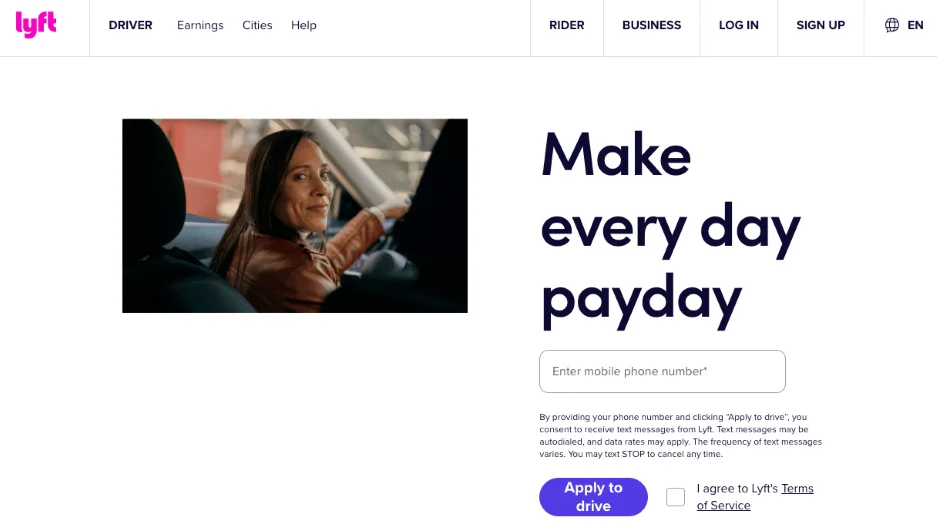
High-converting pages are designed to eliminate obstacles that might impede a visitor’s decision-making process. This might involve clarifying operational processes or directly addressing practical concerns such as pricing transparency, the onboarding timeline, or the availability of customer support.
For instance, an e-commerce site offering a new subscription box service should clearly outline the billing cycle, the expected delivery timeframe, and the ease of managing or canceling the subscription. Providing this information upfront, perhaps in a dedicated FAQ section or within the main body copy, can preempt potential hesitations. Small details, strategically placed, can build more confidence than lengthy, abstract explanations.
- Analytical Insight: The reduction of friction is directly tied to the concept of cognitive ease. When users can process information with minimal mental effort, they are more likely to proceed. This principle is a cornerstone of user experience design and directly impacts conversion rates.
Crafting Compelling Landing Page Copy: A Strategic Approach
To elevate your landing page’s performance, focus on practical strategies that enhance clarity, minimize friction, capture reader attention, and render your pages undeniably compelling.
1. Establish a Singular, Unwavering Goal
Landing pages are most effective when built around a single, well-defined objective. This goal could range from initiating a free trial, subscribing to a newsletter, requesting a quote, or completing a purchase. Regardless of the specific action, the copy must unequivocally support this singular aim.
A business offering online courses, for example, might have a landing page dedicated solely to driving sign-ups for a specific introductory course. The headline would clearly state the course title and its primary benefit. The body copy would detail the curriculum, instructor credentials, and the immediate value of enrolling. A secondary goal, like downloading a course brochure, might be offered but should not detract from the primary call to action for enrollment.
When a page attempts to serve multiple objectives, the messaging becomes diluted. Visitors may encounter conflicting calls to action or sections that feel tangential to the decision they are being asked to make. Defining the primary goal at the outset simplifies the writing process, ensuring the headline, supporting content, and call to action are all harmoniously aligned toward a single outcome.
2. Lead with a Value-Centric Headline
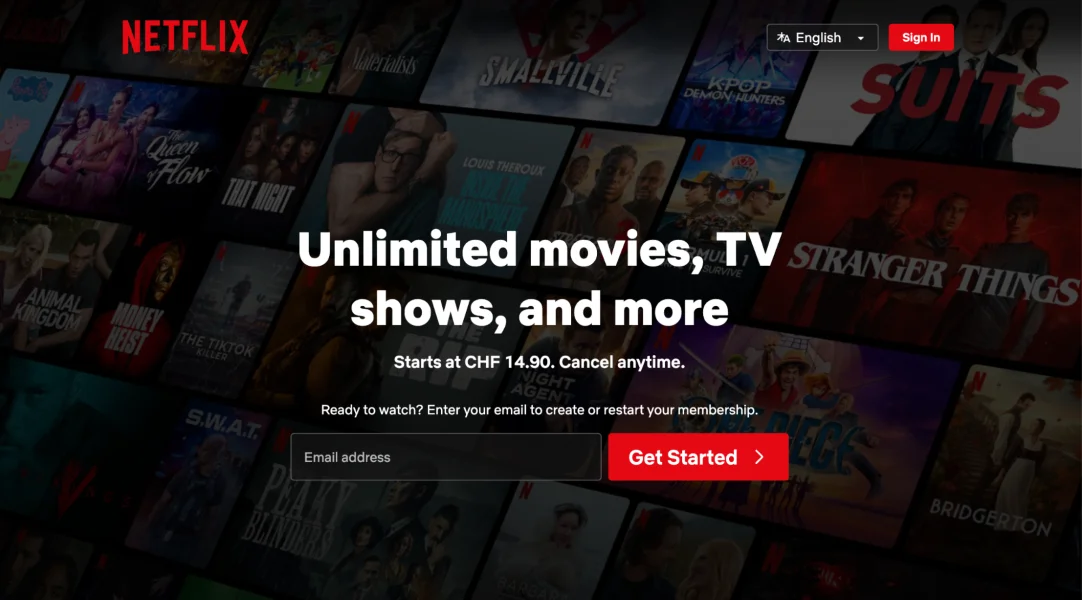
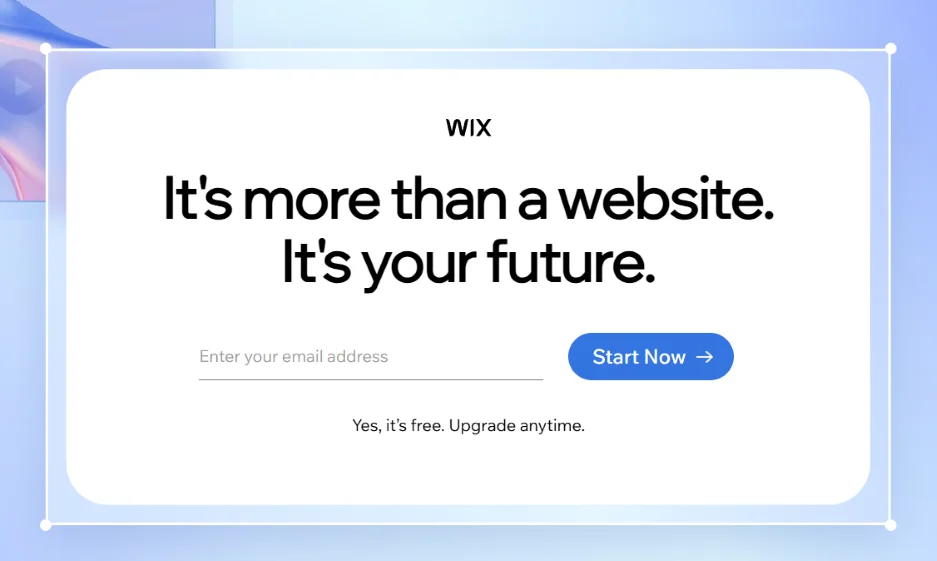
The headline bears substantial weight on a landing page. It is typically the first element visitors notice and often dictates whether they continue reading or immediately disengage. This is the opportune moment to emphasize the tangible value of your offer, ensuring every visitor instantly perceives the benefit they stand to gain.
For a marketing agency promoting its SEO services, a headline like “Boost Your Website Traffic by 30% in 90 Days with Our Proven SEO Strategies” is far more impactful than a generic “We Offer SEO Services.” The former clearly articulates a measurable outcome and a timeframe, directly addressing a common client desire.
While maintaining brand tone is important, it should never overshadow the clarity of the message. Specific language provides visitors with a compelling reason to continue exploring the page.
3. Directly Address Visitor Questions
Landing pages are sometimes mistakenly treated as condensed homepages, filled with mission statements, brand positioning, or internal company descriptions. While these elements have their place elsewhere, they often distract from the primary function of a landing page.
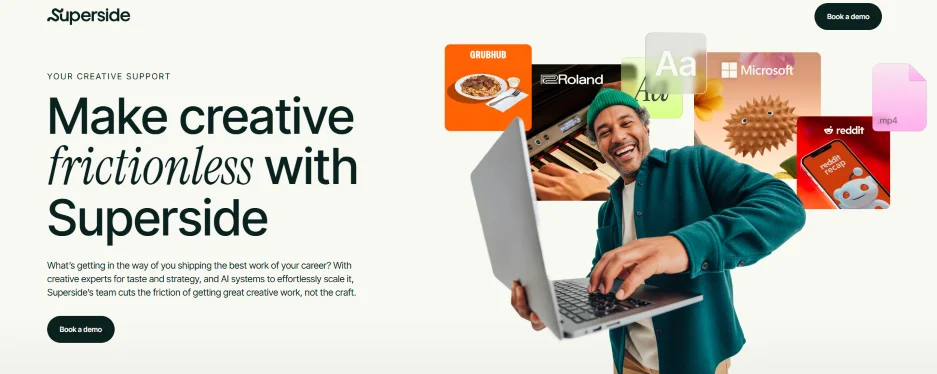
Visitors arrive with practical questions: Does your offer align with their specific situation? If so, how can they access it? Copy that directly answers these questions feels more pertinent and helpful. For example, a software company offering a demo might address questions about demo duration, key features to be covered, and any necessary pre-session preparation. Clear answers to such queries can significantly advance the decision-making process.
4. Leverage Specifics to Cultivate Trust
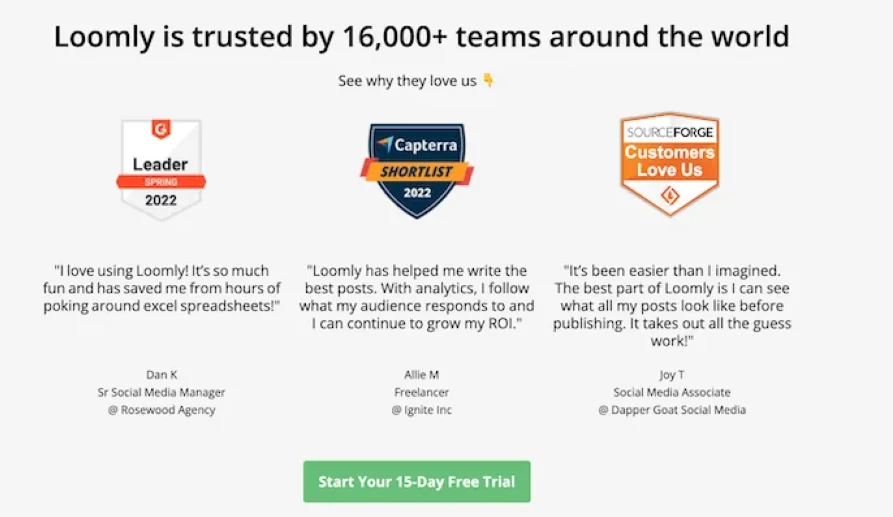
Trust is a critical component of conversion, but the way trust is communicated is equally vital. Vague assurances are rarely as persuasive as concrete information. Specific details empower visitors to assess the credibility of an offer. This can include demonstrable customer outcomes, the number of clients served, projected turnaround times, or a lucid explanation of the post-signup process.
A cybersecurity firm, for instance, could build trust by stating, “We have successfully protected over 1,000 businesses from cyber threats, ensuring 99.9% uptime for our clients.” This quantitative data is far more convincing than a general statement like “We are committed to your security.” When these specifics are integrated naturally into the page, they foster transparency and mitigate uncertainty.
5. Exercise Caution with Reassurance on High-Intent Pages
Reassurance is a common tactic in marketing copy, with statements about customer support, quality, or commitment to success frequently appearing on landing pages. While these messages can be beneficial for visitors encountering a brand for the first time, excessive reassurance on high-intent pages can inadvertently sow doubt. If a page repeatedly emphasizes trust or ease, visitors might question why such emphasis is necessary.
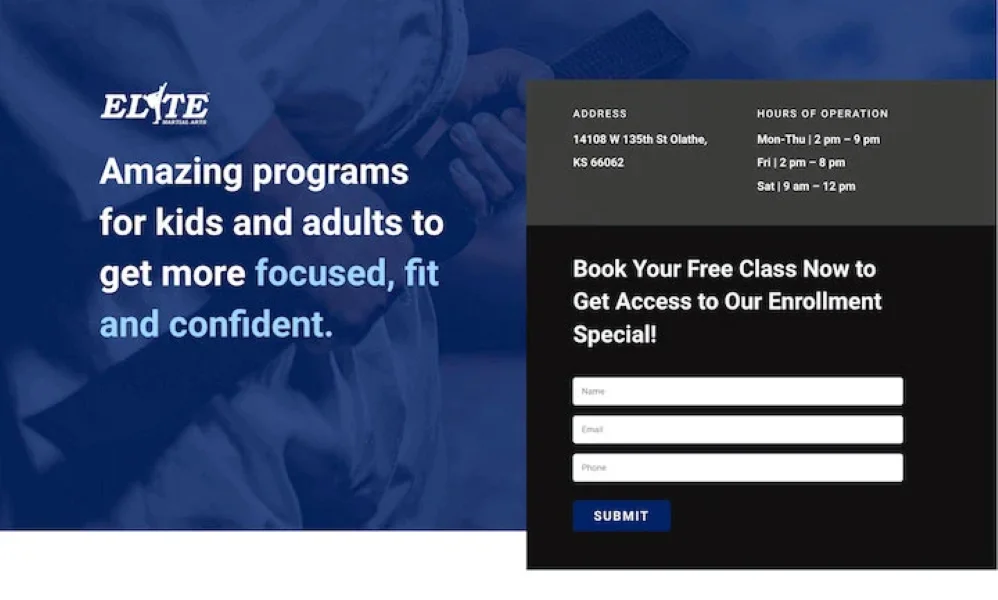
High-performing pages in these scenarios often rely more on clarity. Direct explanations of subsequent steps, the precise nature of what the user will receive, and the mechanics of the process typically convey stronger signals of confidence than generalized reassurances.
6. Ensure Your Call to Action is Crystal Clear
The call to action (CTA) is the culmination of the landing page’s objective. The language surrounding it must make the next step feel unambiguous and effortless. Generic buttons like “Submit” or “Learn More” may suffice in some contexts but leave room for interpretation, potentially causing visitors to pause and question the outcome.
More descriptive CTA text can reduce this hesitation. If the desired action is to schedule a demo, start a free trial, or receive a quote, the CTA should clearly reflect that specific outcome. Accompanying copy can further clarify what transpires after the click.
- Case Study Example: In one notable A/B test, a landing page shifted its CTA from “Request a Demo” to “Watch a Demo.” This seemingly minor alteration resulted in a 139% increase in conversions. The success was attributed to reducing the perceived friction of scheduling a future meeting in favor of offering immediate access to information.
7. Write for Skimming Readers
Even the most compelling copy loses its effectiveness if visitors cannot easily navigate the page. Attention spans are limited, and users typically skim digital content when evaluating options. A clear structure and concise copy ensure that crucial points stand out. Subheadings guide the reader through the page, short paragraphs maintain approachability, and supporting elements make key details readily accessible.
A Swift Audit for Landing Page Copy
Improving landing page copy does not always necessitate a complete overhaul. A focused review can often reveal opportunities to enhance clarity and bolster confidence. Utilize these steps and the accompanying checklist for a quick assessment.
Fresh Perspective
Approach the landing page with the mindset of a first-time visitor. Open it in a new tab and scroll through it once, noting what immediately stands out and what remains unclear. The objective is not to critique the design but to determine if the copy simplifies the decision-making process. Begin with the headline and opening section. Within seconds, the visitor should understand the offer and its relevance. If the headline relies on vague language or abstract messaging, consider whether a more direct description would improve comprehension.
Structural Integrity Check
Review the page’s structure. As you scroll, identify sections that reiterate the same information or introduce tangential messaging. Landing pages can become cluttered over time as various teams add content with differing key performance indicators. Simplifying these sections enhances the page’s processing ease.
Applying Key Questions to Your Copy
After gaining a fresh perspective and assessing the structure, apply the following questions to your landing page copy:
- Is the core offer immediately clear? (Within the first 5-10 seconds of viewing the page.)
- Does the headline articulate a direct benefit or outcome?
- Does the copy address the visitor’s primary questions and pain points?
- Are there specific, credible details that build trust (e.g., statistics, testimonials, case study snippets)?
- Is the call to action prominent, clear, and action-oriented?
- Is the language simple, direct, and easy to understand (aiming for a 5th-7th grade reading level)?
- Are there any sections that are redundant, confusing, or irrelevant to the primary goal?
- Does the copy anticipate and alleviate potential visitor objections or concerns?
By systematically evaluating your landing page copy against these questions, you can identify straightforward edits that strengthen its impact without requiring a full redesign.
The Bottom Line: Elevating Landing Page Copywriting
High-converting landing page copy rarely relies on intricate wordplay or aggressive persuasion. Its efficacy stems from clear communication, direct answers to practical questions, and fostering visitor confidence in taking the next step. When an offer is easily understood and the subsequent action feels predictable, conversion rates naturally improve. Minor enhancements—such as clarifying a headline, incorporating a specific detail, or refining a call to action—can profoundly influence a page’s performance, ultimately driving more valuable leads and customers. The subtle art of landing page copywriting, when executed with precision and a focus on the visitor’s journey, becomes an indispensable tool in the digital marketer’s arsenal.









