rifanmuazin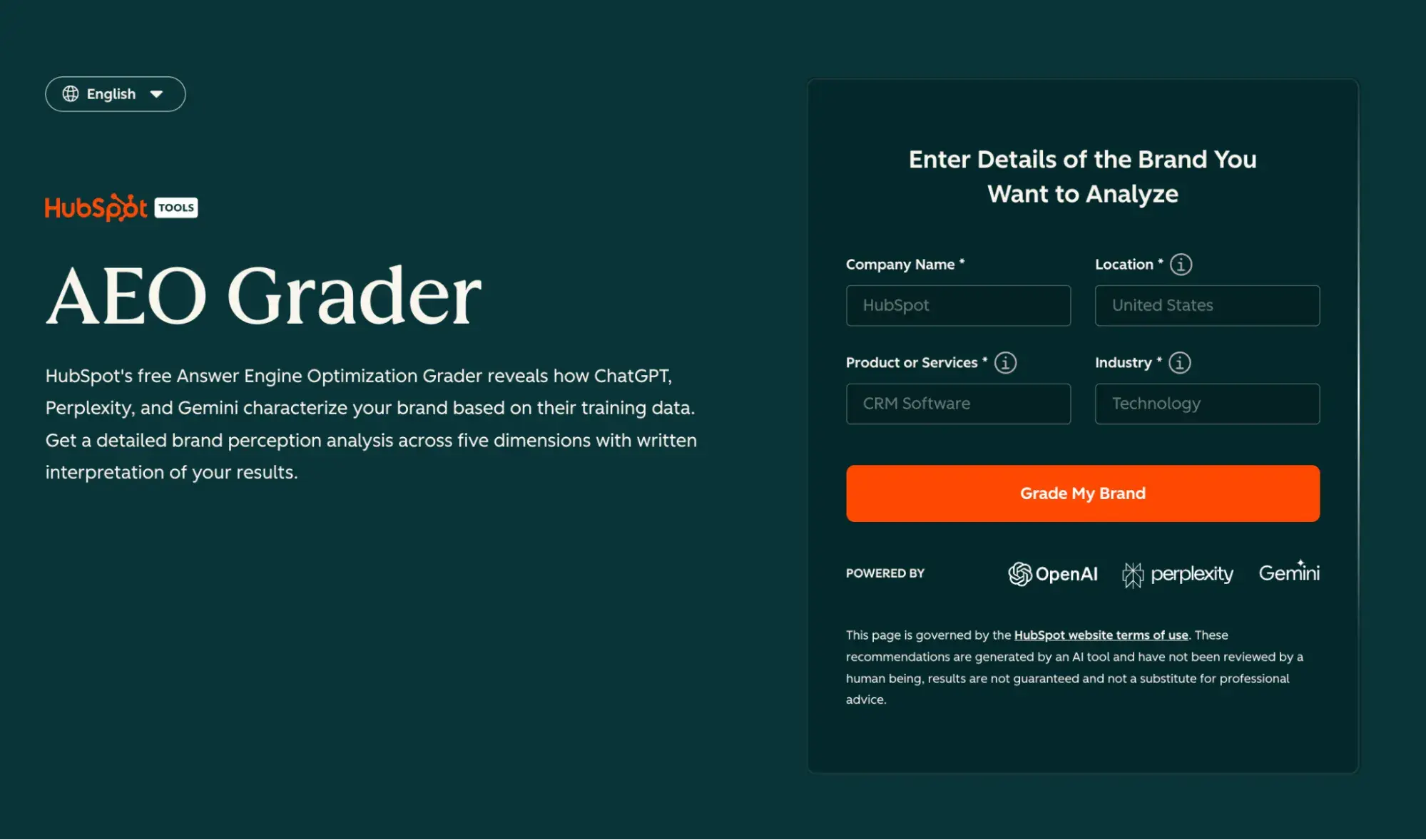
The digital marketing landscape is undergoing a profound transformation, driven by the rapid advancements in artificial intelligence. For years, the foundational principle of search engine optimization (SEO) revolved around accumulating backlinks – digital endorsements that signaled authority to traditional search algorithms and propelled content up organic ranking lists. However, as AI models increasingly power search experiences, a new mechanism is determining content visibility: citations. This shift signifies a fundamental departure from the traditional link-building paradigm, positioning direct content attribution by AI answer engines as the critical factor for capturing audience attention and driving high-intent traffic.
The Paradigm Shift: From Backlinks to AI Citations
The traditional SEO playbook, focused on earning backlinks to improve search rankings and capture clicks from “blue links,” is rapidly being supplemented, if not partially supplanted, by the demands of Answer Engine Optimization (AEO). In AEO, the goal is not merely to rank high in a list but to have content selected as the definitive source for an AI-generated answer. When platforms like ChatGPT, Perplexity, or Google’s AI Overviews (AIOs) cite a webpage, it’s not a ranking boost; it’s the content itself becoming the direct answer for a growing segment of users who may never scroll to traditional search results.
This evolution is not theoretical; its stakes are tangibly linked to business outcomes. Early adopters leveraging AEO tools and best practices are already measuring and optimizing this new form of visibility, directly tying citations to pipeline generation. The core difference lies in validation: while backlinks represent other publishers vouching for a page, AI citations mean an answer engine deems the content a direct, reliable source for its generated responses.
Why Citations Are Central to AEO Success
While citations are not the sole metric for AEO success, they serve as one of the clearest indicators that content is effectively resonating within the AI systems now dictating how buyers discover information. The shift in user behavior is stark: HubSpot’s 2026 State of Marketing Report indicates that 49% of marketers observe a decrease in web traffic from traditional search due to AI-generated answers. Crucially, however, 58% report that AI referral traffic exhibits significantly higher intent than its traditional search counterpart. HubSpot itself has witnessed a staggering 1,850% increase in leads from Large Language Models (LLMs), with these leads converting three times more effectively than those from conventional channels. This substantial conversion gap underscores why citations warrant serious strategic attention from every marketing team.
Furthermore, market research highlights the growing influence of AI in the buyer journey. Approximately 42% of CRM software buyers now integrate AI search into their evaluation process. As nearly half of potential customers turn to AI platforms like ChatGPT or Perplexity for answers, securing citations in these AI-generated responses transforms from a vanity metric into a direct driver of the sales pipeline.
Understanding the Mechanics of AI Citation Selection
AI answer engines employ a distinct methodology for selecting citations compared to traditional search engines. Their criteria prioritize trustworthiness, well-structured content, and semantic clarity. When an LLM like ChatGPT, Gemini, or Perplexity formulates a response, it draws upon sources it deems authoritative, relevant, and easy to process. A citation, in this context, signifies that specific content was either the complete answer or a significant part of it.
The evaluation process for AI engines differs fundamentally from traditional search algorithms:
- Traditional Search Engines: Primarily rely on backlinks, keyword relevance, and domain authority to rank pages in a list of results. The goal is to provide a comprehensive list of potential answers.
- AI Answer Engines: Focus on content accuracy, conciseness, factual density, and direct applicability to the user’s query. The goal is to provide a single, synthesized answer, often with attributed sources.
Both approaches remain important, but the shift is undeniable. Forty-one percent of marketers are actively exploring updates to their SEO strategy to account for these changes. It’s possible for content to possess strong backlinks yet remain invisible in AI-generated answers if it lacks the structural and semantic attributes optimized for machine readability.

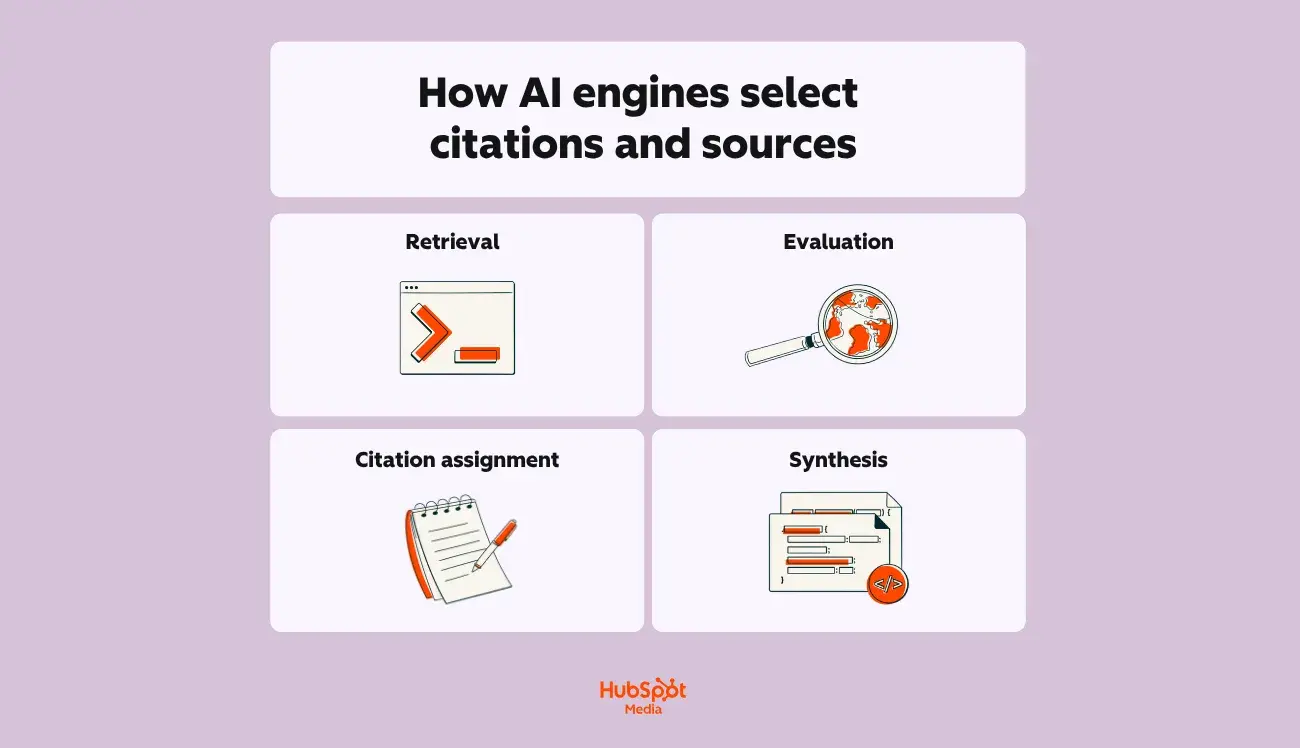
The AI Engine’s Decision-Making Process
When an AI engine processes a query and generates an answer, it undergoes a complex sequence:
- Semantic Interpretation: The AI first interprets the user’s intent and the nuances of the question, moving beyond simple keyword matching.
- Information Retrieval: It then queries its vast knowledge base and accessed web content to identify relevant information segments.
- Syntactic and Semantic Analysis: The AI analyzes the retrieved content for clarity, factual accuracy, and how well it directly answers the interpreted query.
- Content Synthesis: It synthesizes information from multiple reliable sources to construct a coherent and comprehensive answer.
- Attribution and Citation: Finally, it identifies the most pertinent and authoritative sources for the synthesized information, providing direct citations where applicable.
Different AI agents, such as conversational AI (ChatGPT), research AI (Perplexity), and integrated AI Overviews (Google), handle this process with slight variations. However, the underlying selection criteria consistently converge on five core signals:
- Factual Accuracy and Verifiability: The content must be demonstrably correct and supported by evidence.
- Semantic Clarity and Conciseness: Information should be presented clearly, without ambiguity, and directly address the query.
- Content Structure and Readability: Well-organized content with clear headings, lists, and a logical flow is easier for AI to parse.
- Authoritativeness and Expertise: Content from recognized experts or authoritative domains is favored.
- Freshness and Recency: Up-to-date information, especially for dynamic topics, is crucial.
The Role of Structured Data and Schema Markup
Beyond these core signals, structured data and schema markup significantly increase the likelihood of content being cited by AI. Pages lacking elements such as FAQ schema, How-To schema, and Organization schema make it more challenging for AI engines to confidently extract and attribute information, even if the written content is excellent. This emphasis on structured data, a best practice for AI search visibility, extends directly from Search Generative Experience (SGE) optimization into broader AEO strategies. Ultimately, AI engines are less concerned with who links to a page and more with whether the content offers the clearest, most structured, authoritative, and current answer to a given question.
Content That Earns AI Citations
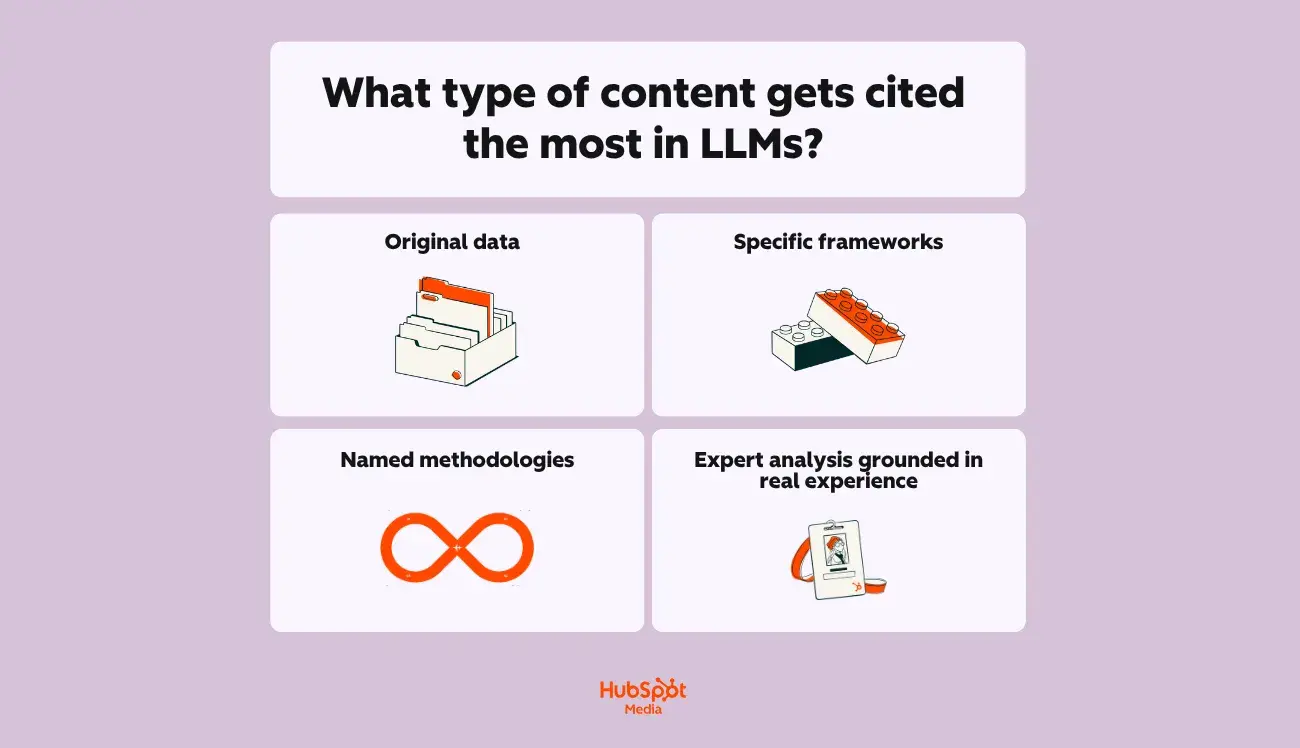
In the evolving search ecosystem, generic, AI-generated content is increasingly ineffective for securing meaningful visibility. The bar for “good enough” content has risen dramatically. AI engines, capable of generating passable surface-level answers independently, cite sources that offer something they cannot create on their own:
- Original Data and Research: Unique studies, surveys, and proprietary data.
- True Expertise and Unique Insights: Deep dives, nuanced perspectives, and expert opinions.
- Specific, Actionable Advice: Practical guides, step-by-step instructions, and tactical recommendations.
- First-Hand Experience and Case Studies: Real-world examples and demonstrable results.
Citations reward depth and originality, not merely volume.
The Power of Earned Content and Third-Party Validation
A critical finding from Search Engine Journal’s 2026 research indicates that earned content constitutes the largest share of AI citations across platforms, with user-generated content (UGC) also gaining prominence. “Earned content” refers to mentions, reviews, third-party coverage, and organic social posts about a brand that are not paid for or published by the brand itself. This implies that the content most likely to be cited by AI engines extends beyond what a brand publishes on its own domain. It includes:
- Third-party coverage: News articles, industry reports, and reviews from reputable external sites.
- User-generated content: Forums, social media discussions, and customer testimonials.
- Mentions from authoritative sources: Citations within academic papers, expert blogs, or industry publications.
This has significant implications for AEO strategies:
- Beyond Owned Media: Relying solely on owned content is insufficient.
- Holistic Content Strategy: Brands must cultivate a diverse content presence across owned, earned, and community platforms.
- PR and Influencer Marketing: These disciplines become even more critical for generating the kind of third-party mentions that AI prioritizes.
Democratization of Citation Opportunities
Encouragingly, the same Search Engine Journal analysis reveals that AI engines cite across a wide quality spectrum, not exclusively from elite publishers. While higher-quality sources are preferred, middle-tier sources are frequently cited when they provide the clearest, most specific answers. This suggests that smaller or niche brands can still earn citations by producing content that is more specific, better structured, and more factually dense than what larger competitors might publish on the same topic.
Content that earns AI citations typically possesses:
- Factual Density: Packed with verifiable information.
- Clarity and Conciseness: Easy to understand and to the point.
- Structured Format: Uses headings, bullet points, and clear paragraphs.
- Originality: Offers unique insights or data.
- Authoritative Voice: Demonstrates expertise and credibility.
Conversely, content that gets ignored by AI engines often includes:
- Generic Language: Lacks specific detail.
- Fluff and Redundancy: Excess words without added value.
- Poor Structure: Difficult for machines (and humans) to parse.
- Outdated Information: Fails to reflect current realities.
- Plagiarism/AI-generated at surface level: Lacks unique human insight.
Building a Citation-Earning Content Strategy
A successful AEO content strategy must deliberately span owned, earned, and community-driven content. Key priorities for evolving content strategy include:
- Prioritize Depth Over Breadth: Focus on creating highly specific, expertly informed content.
- Integrate Original Data and Research: Become a primary source of unique information.
- Optimize for Machine Readability: Implement clear headings, structured data, and semantic clarity.
- Cultivate Earned Media: Actively pursue mentions and coverage from reputable third parties.
- Foster Community Engagement: Encourage user-generated content and expert contributions.
- Regular Content Audits and Updates: Ensure information remains fresh, accurate, and current.
Addressing Common Questions and Misconceptions
Do citations replace backlinks?
No, citations in AEO do not replace backlinks in traditional SEO. They serve distinct functions within different systems, and both remain valuable. Backlinks signal endorsement to traditional search engines, influencing rank. Citations, conversely, directly attribute content as the source for AI-generated answers. The ideal approach is to run both strategies in parallel. Backlinks can still enhance content visibility in traditional search, which can, in turn, increase the likelihood of AI engines discovering and citing that content. Meanwhile, AEO citations directly capture the high-intent traffic from AI answer engines. Ignoring either strategy risks significant visibility loss.
How long does it take to earn AI citations?
While there’s no fixed timeline, most teams can expect to see initial citation appearances within 4 to 8 weeks of publishing optimized content. This can vary based on:
- Content Quality and Specificity: Highly authoritative and unique content gets cited faster.
- Domain Authority: Established domains may see quicker adoption.
- AI Engine Crawl Frequency: How often the specific AI platform re-indexes and evaluates content.
Can AI cite content behind a paywall?
In most cases, no. AI answer engines require access to content for processing and citation. Hard paywalls block this access for both web crawlers and AI retrieval systems. Different content access models interact with AI citation as follows:
- Hard Paywalls: Content is inaccessible and will not be cited.
- Soft Paywalls (Metered Access): Some initial content may be accessed, but full citation is unlikely.
- Freemium Models: Free content can be cited, premium content cannot.
- No Paywall: Fully accessible content is most likely to be cited.
For high-value content, brands must weigh the revenue from paywalls against the visibility and referral traffic potential of AI citations.
Should I write for AI or humans first?
Always write for humans first. The attributes that make content genuinely useful to humans are precisely what AI engines reward: clarity, conciseness, factual accuracy, structured format, and a helpful, authoritative tone. Content that attempts to “write for AI” by stuffing keywords or manipulating formatting often reads awkwardly to humans and is increasingly identified and deprioritized by sophisticated AI algorithms. The strategy should be to write naturally and expertly for a human audience, then optimize the structure (headings, schema, lead sentences, factual density) for machine readability. A good rule of thumb: if content sounds like an expert explaining something to a colleague when read aloud, it’s well-structured for both audiences.
How do I know if an answer engine cited my brand?
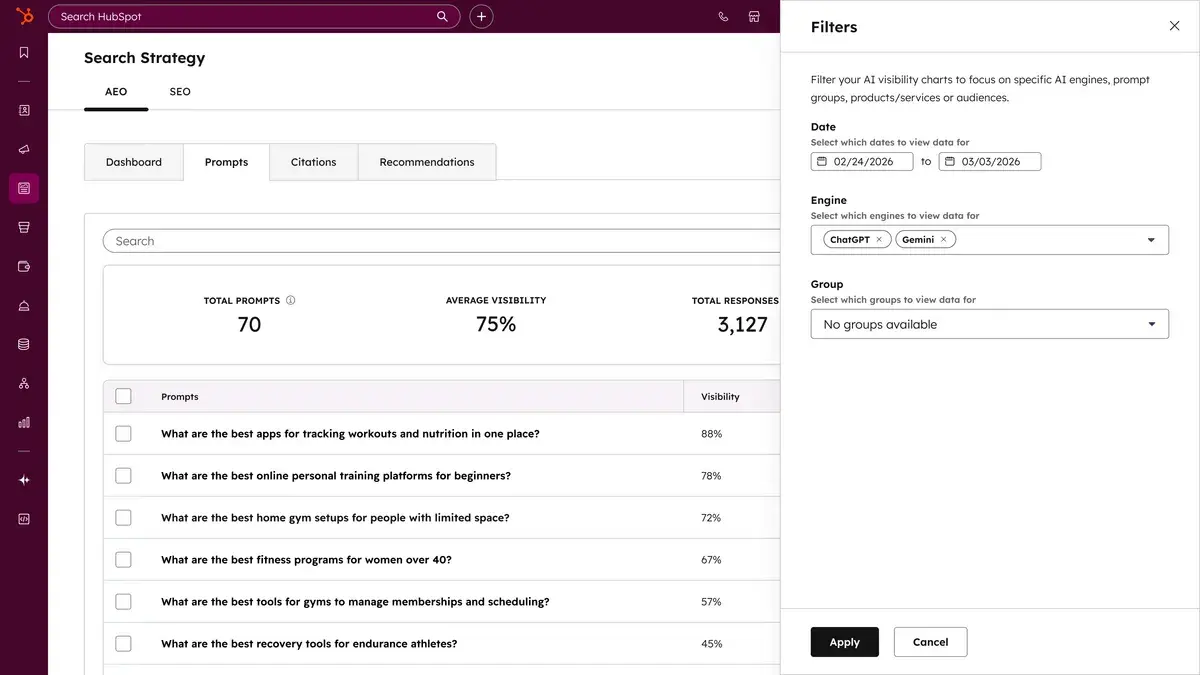
Tracking AI citations requires dedicated monitoring, as they don’t appear in traditional SEO tools like Google Search Console or standard rank trackers. Methods include:
- Manual Monitoring: Regularly search for key terms and observe AI-generated answers for citations.
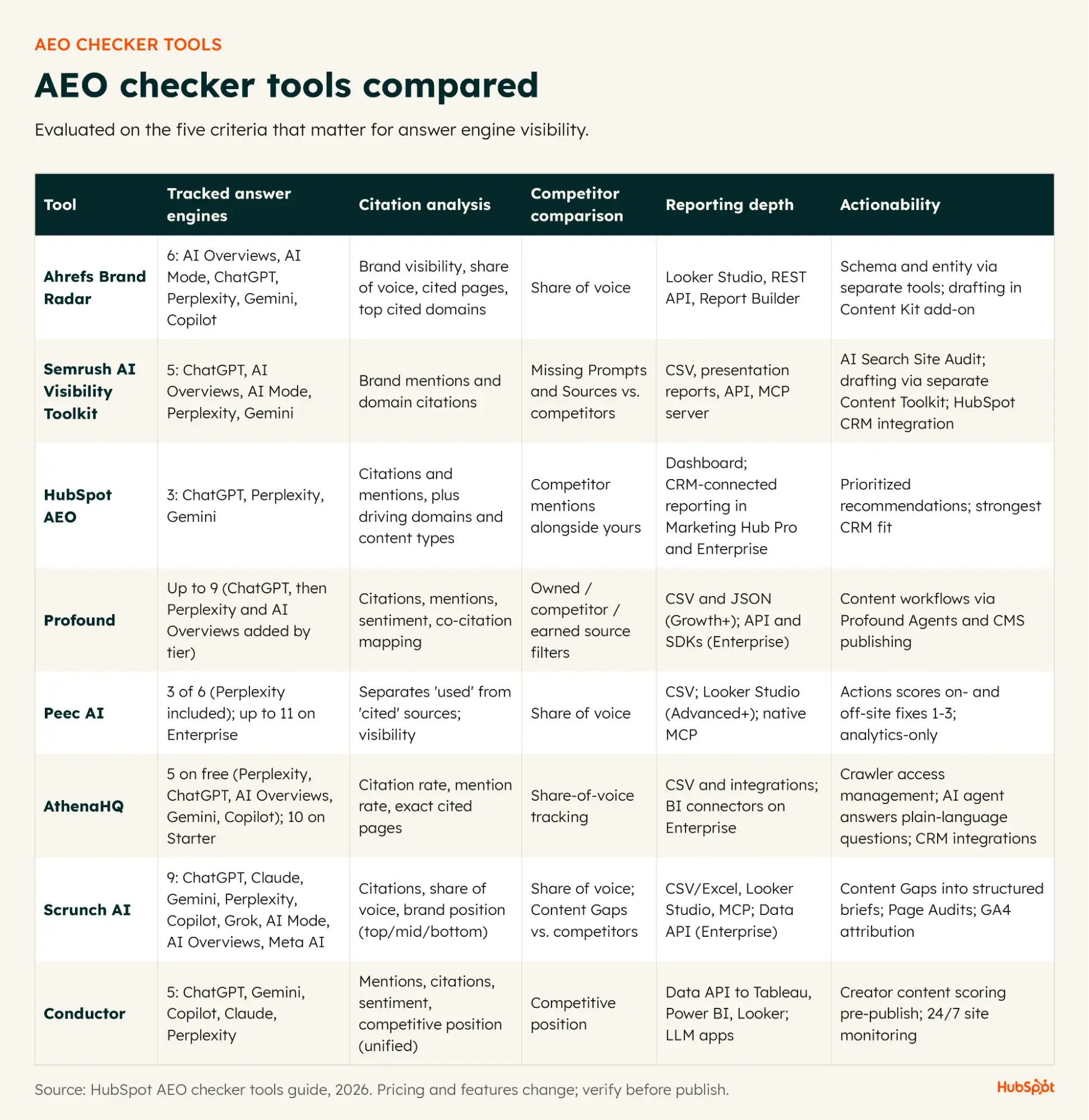
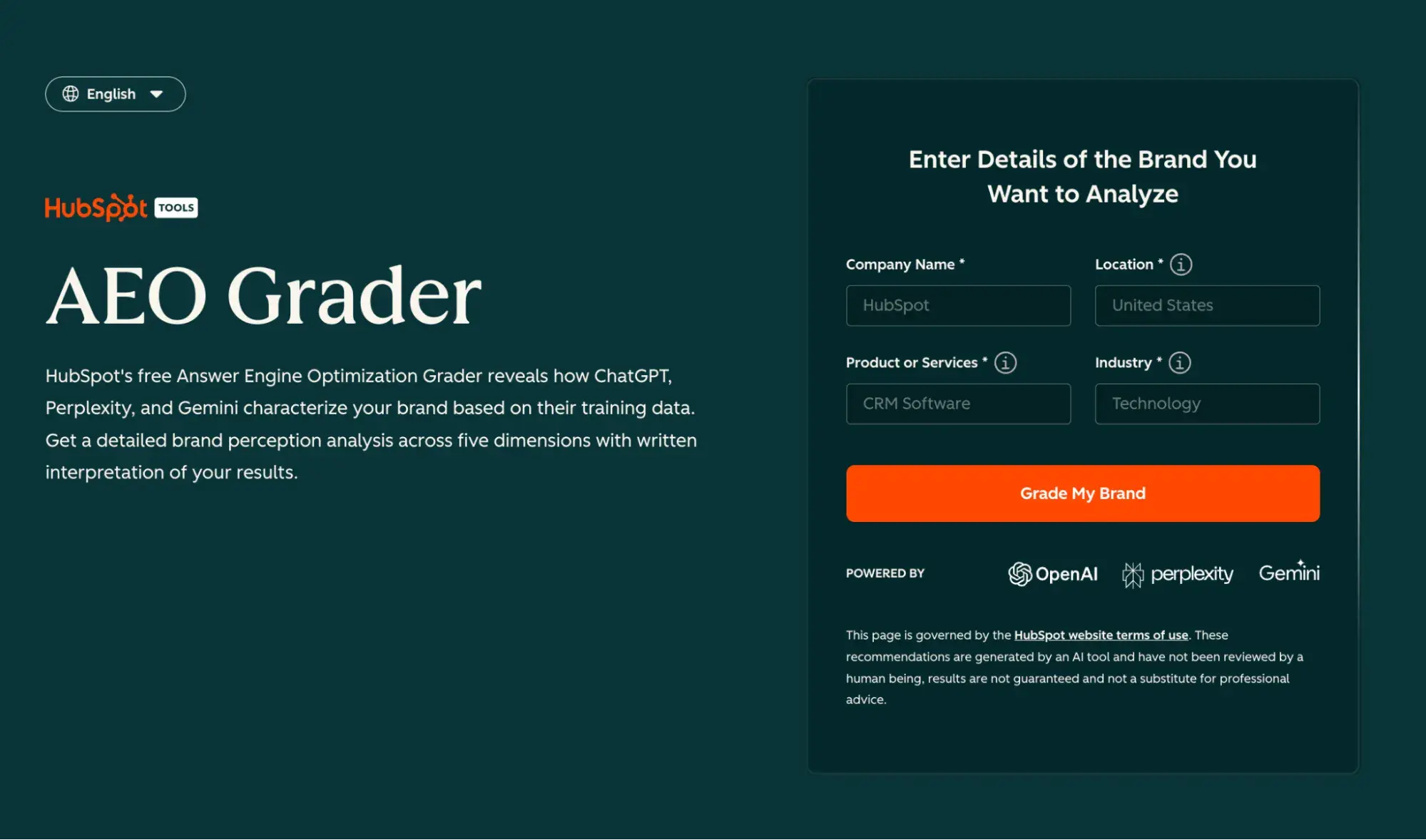
- Dedicated AEO Tools: Platforms like HubSpot’s AEO Grader are designed to track AI visibility and citations.
- AI Listening Tools: Specialized tools can monitor AI platforms for mentions and citations of your brand or content.
- Referral Traffic Analysis: Monitor referral traffic specifically from AI answer engines.
Integrating citation tracking into monthly reporting alongside organic keyword rankings and traffic metrics is crucial.
Citations Are Just the Beginning of AEO Success
Citations are the most direct evidence that content is structured, authoritative, and current enough to be selected as an AI engine’s source of truth. However, they represent only one facet of a broader AEO success strategy. A complete picture of AI visibility includes:
- Direct Answer Visibility: How often content is used to directly answer questions.
- AI Referral Traffic: The volume and quality of traffic originating from AI answers.
- Brand Mentions: How frequently the brand is referenced, even without a direct citation link.
- Engagement Metrics: User interaction with AI-generated answers that reference your content.
- Conversion Rates: The ultimate impact of AI visibility on lead generation and sales.
These metrics collectively determine whether a content strategy is truly aligned with contemporary buyer discovery methods. Platforms like HubSpot’s AEO Grader offer the tools to measure AI citation visibility, while Content Hub provides the structural foundation for creating citation-ready content at scale. Marketing Hub then connects AI referral traffic to the sales pipeline, enabling marketers to prove tangible ROI. The infrastructure for this new era of search is available, and the shift is undeniably underway. The critical question for businesses is whether their content strategy will adapt to this evolving landscape.