rifanmuazin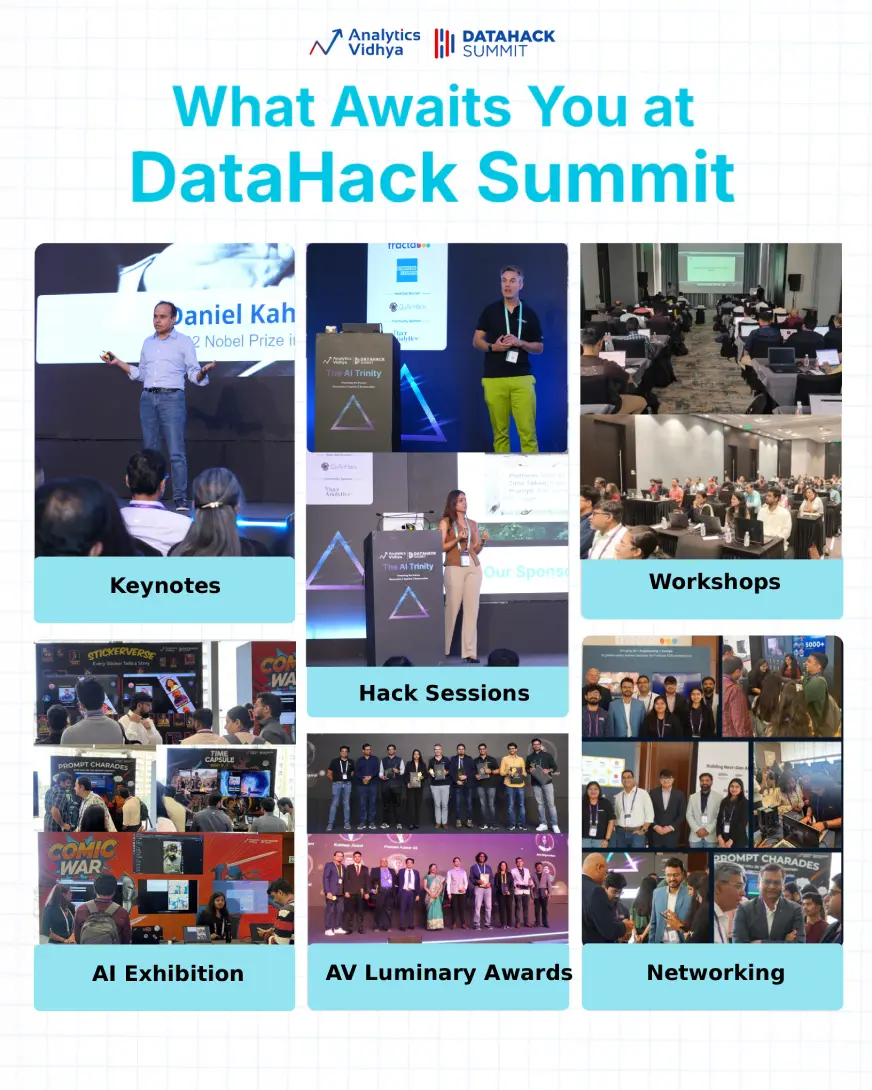
By the middle of 2026, the global perception of artificial intelligence has undergone a fundamental transformation. The technology has transitioned from an experimental novelty into a foundational layer of modern infrastructure, deeply embedded within products, workplaces, governmental frameworks, and daily decision-making processes. This shift is most visible in the maturation of the global AI conference circuit, which has evolved from academic gatherings into massive industrial summits where the world’s most influential decision-makers converge to map the future of the digital economy.
The early months of 2026 have already set a high benchmark, exemplified by the India AI Impact Summit held in New Delhi. This event served as a critical barometer for the industry, bringing together a diverse coalition of global leaders, innovators, researchers, and policymakers. The summit underscored why high-level AI gatherings are essential in the current climate: they provide the primary venue for understanding technological trajectories, enterprise adoption patterns, and the evolving skill sets required for the modern workforce. As the year progresses, a series of high-stakes conferences are scheduled to address the complexities of scaling AI, ensuring ethical governance, and optimizing the infrastructure that powers these systems.

The Global AI Calendar: A Chronology of Innovation
The 2026 conference landscape is categorized by its diversity, spanning across major tech hubs from London to Singapore. These events are no longer just about software; they represent a holistic look at the AI stack, including hardware, policy, and social impact.
1. Data + AI Summit 2026 (San Francisco)
Organized by Databricks, the Data + AI Summit remains one of the premier global gatherings for professionals specializing in data engineering, machine learning, and analytics. As organizations in 2026 move toward more integrated “Lakehouse” architectures, this summit focuses on the practicalities of data management for large-scale AI.
The 2026 edition emphasizes the convergence of Generative AI and data governance. Industry analysts note that as enterprises move beyond simple chatbots, the need for high-quality, governed data has become the primary bottleneck. The summit provides a roadmap for building and deploying intelligent systems that are not only powerful but also compliant with evolving global data standards. Key sessions are expected to cover Large Language Model (LLM) fine-tuning, real-time data processing, and the role of open-source technologies in the enterprise stack.
2. The AI Summit London 2026
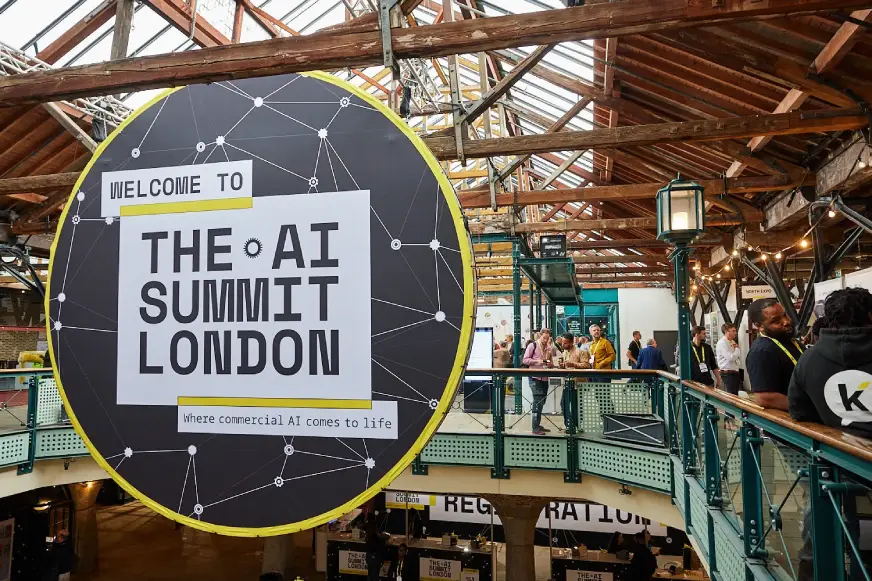
Marking its 10th annual edition, The AI Summit London stands as Europe’s most significant enterprise-focused AI event. Held as part of London Tech Week at the Tobacco Dock, the 2026 summit is expected to attract approximately 4,500 technologists and business leaders.
The focus in London is decidedly commercial. While other conferences may lean into theoretical research, London’s agenda is built around “The ROI of AI.” Discussions will center on moving AI from pilot programs to full-scale production, with a specific lens on the United Kingdom’s and Europe’s regulatory environments, including the practical implications of the EU AI Act. For business leaders, this summit serves as a crucial networking hub for understanding how competitors are integrating AI into supply chains, customer service, and financial modeling.
3. DataHack Summit 2026 (Bengaluru)
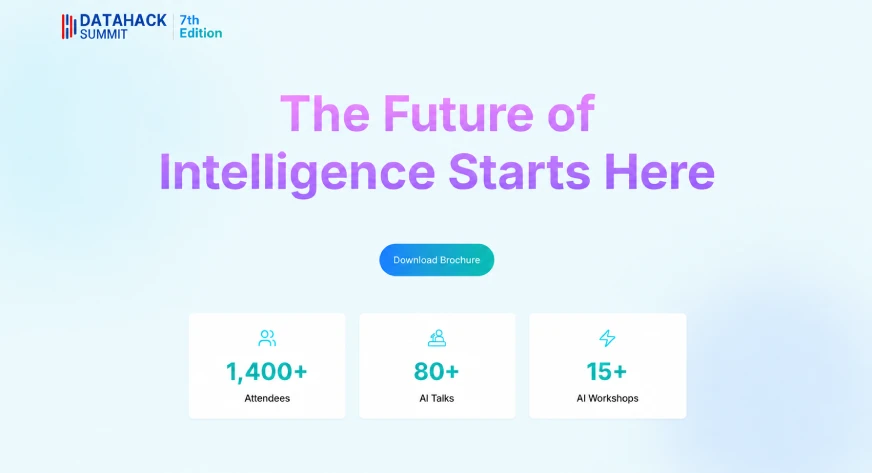
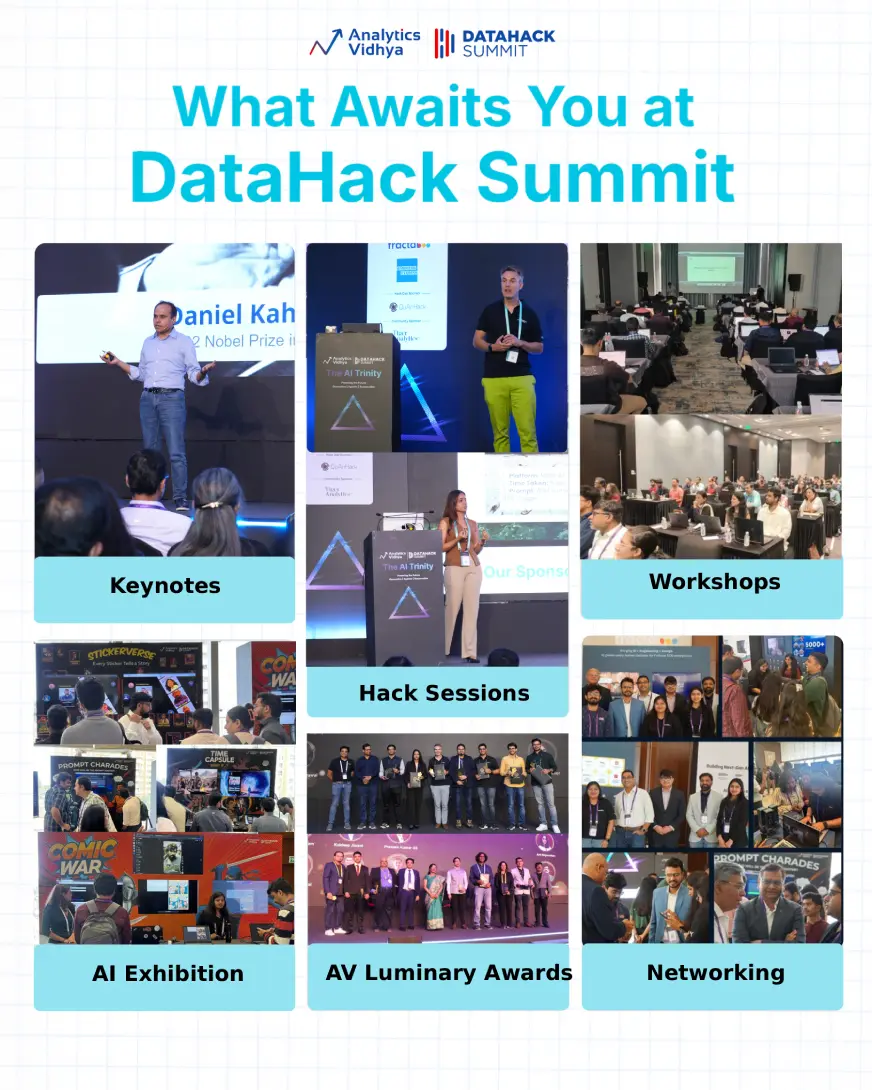
Returning for its 7th edition, the DataHack Summit (DHS) organized by Analytics Vidhya has established itself as India’s most prominent practitioner-led AI conference. India’s role in the 2026 AI ecosystem is unique; it serves as both a massive market for AI applications and a primary source of the global AI workforce.
DHS 2026 distinguishes itself with a “practitioner-first” approach. The event features hands-on hack sessions, full-day workshops, and the prestigious AV Luminary Awards. The primary themes for 2026 include Agentic AI—systems capable of autonomous reasoning and action—and MLOps (Machine Learning Operations). By focusing on the “builders” rather than just the “buyers,” DHS provides a granular look at the technical challenges of scaling AI in one of the world’s fastest-growing economies.
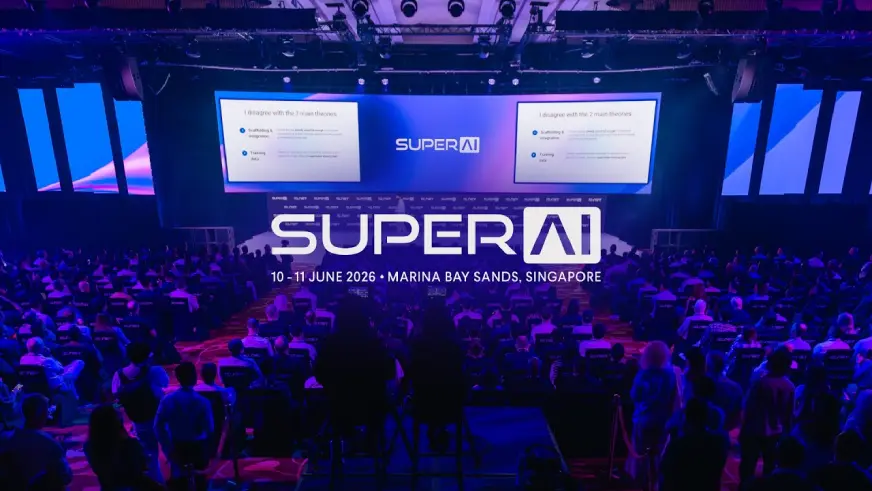
4. SuperAI 2026 (Singapore)
Positioned as Asia’s flagship AI event, SuperAI 2026 is scheduled to take place at the iconic Marina Bay Sands. With an expected attendance of 10,000 participants and representation from over 1,500 companies, it reflects the massive capital investment currently flowing into the Asia-Pacific AI sector.
SuperAI provides a global platform with an “Asia-first” perspective. The 2026 agenda highlights frontier models, robotics, and the impact of AI on the global financial hub. For investors and founders, this event is the primary venue for observing how sovereign AI initiatives in Asia are creating new markets for infrastructure and localized language models.
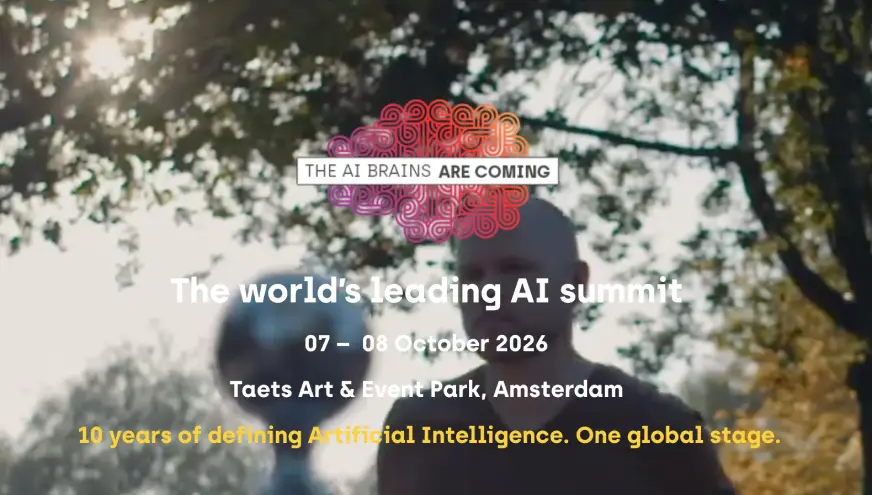
5. World Summit AI 2026 (Amsterdam)
The World Summit AI celebrates its 10th anniversary in Amsterdam, continuing its tradition of bridging the gap between science, business, and ethics. This summit is widely regarded for its holistic view of the AI ecosystem, looking beyond the technology to examine its societal and geopolitical implications.
The 2026 summit focuses on “Sovereign AI” and “Creative AI Workflows.” As nations seek to develop their own AI capabilities to ensure data privacy and cultural relevance, the Amsterdam summit provides a neutral ground for policymakers and technologists to discuss international standards. It remains a vital stop for those interested in the intersection of AI research and global policy.
6. Ai4 2026 (Las Vegas)
As one of the largest AI events in North America, Ai4 2026 at The Venetian in Las Vegas is designed to facilitate cross-industry learning. From August 4 to 6, the event will host leaders from financial services, healthcare, manufacturing, and government.
The 2026 theme focuses on “Enterprise Transformation.” Ai4 is unique in its ability to bring together disparate sectors to discuss common challenges, such as AI talent acquisition and the ethics of automated decision-making. Supporting data from previous years suggests that Ai4 is a major catalyst for B2B partnerships, with hundreds of startups showcasing industry-specific solutions.
7. AI for Good Global Summit 2026 (Geneva)
Organized by the International Telecommunication Union (ITU) in partnership with 50 UN agencies, the AI for Good Global Summit in Geneva is the definitive event for the social and humanitarian application of AI.
In 2026, the summit’s importance is magnified by the global urgency of the Sustainable Development Goals (SDGs). Discussions will center on using AI for climate monitoring, disaster response, and closing the digital divide. Unlike commercial summits, the Geneva event focuses on standardization and inclusive innovation, ensuring that the benefits of AI are not restricted to wealthy nations or large corporations.
8. AI Infra Summit 2026
As the energy and hardware demands of AI reach a critical point, the AI Infra Summit has emerged as a vital event for the “plumbing” of the AI world. This summit covers the entire physical and logical stack: chips, data centers, cooling systems, and networking.
With 8,000 attendees and 400 speakers, the 2026 edition addresses the primary bottleneck of the decade: compute availability. As model training costs soar, the conversation at the AI Infra Summit revolves around efficiency, custom silicon (NPUs and TPUs), and edge computing infrastructure.
9. The AI Conference 2026 (San Francisco)
Rounding out the year is The AI Conference in San Francisco, the heart of Silicon Valley. This event is characterized by its high concentration of AI researchers and venture capitalists.
The 2026 conference focuses on the path to Artificial General Intelligence (AGI) and the technical hurdles of AI alignment. With over 120 speakers and five curated tracks, it offers a deep dive into neural architectures and the next generation of LLMs. For those looking to see “what’s next” in the research pipeline, this is the essential event.
Supporting Data and Industry Implications
The scale of these conferences in 2026 reflects broader economic trends. According to industry reports, enterprise spending on AI infrastructure and services is expected to exceed $300 billion annually by the end of 2026. This financial surge has shifted the focus of conferences from “what is possible” to “what is sustainable and profitable.”
The 2026 summit circuit also highlights a significant shift in the labor market. Conferences are increasingly serving as recruitment hubs, as the demand for “AI-fluent” professionals—those who understand both the technical and business logic of AI—continues to outstrip supply.
Broad Impact and Conclusion
The conferences of 2026 represent more than just networking opportunities; they are the arenas where the rules of the new digital age are being written. In earlier years, AI was a siloed topic discussed primarily by data scientists. In 2026, it is the central theme of global diplomacy, corporate strategy, and social advocacy.
The move toward “Agentic AI” and “Sovereign AI” as central themes across these summits suggests that the next phase of development will be defined by autonomy and localization. Governments are no longer content to rely on external platforms, and corporations are no longer satisfied with simple automation. They are seeking intelligent systems that can operate independently within specific cultural and regulatory boundaries.
For professionals across all sectors, tracking these events is no longer optional. Whether the focus is on the hardware discussed in the AI Infra Summit or the policy frameworks established at the AI for Good Summit, the outcomes of these gatherings will dictate the competitive landscape for the remainder of the decade. As AI continues to move from research labs into the fabric of everyday life, these 2026 conferences serve as the essential roadmap for navigating a world defined by intelligent systems.