rifanmuazin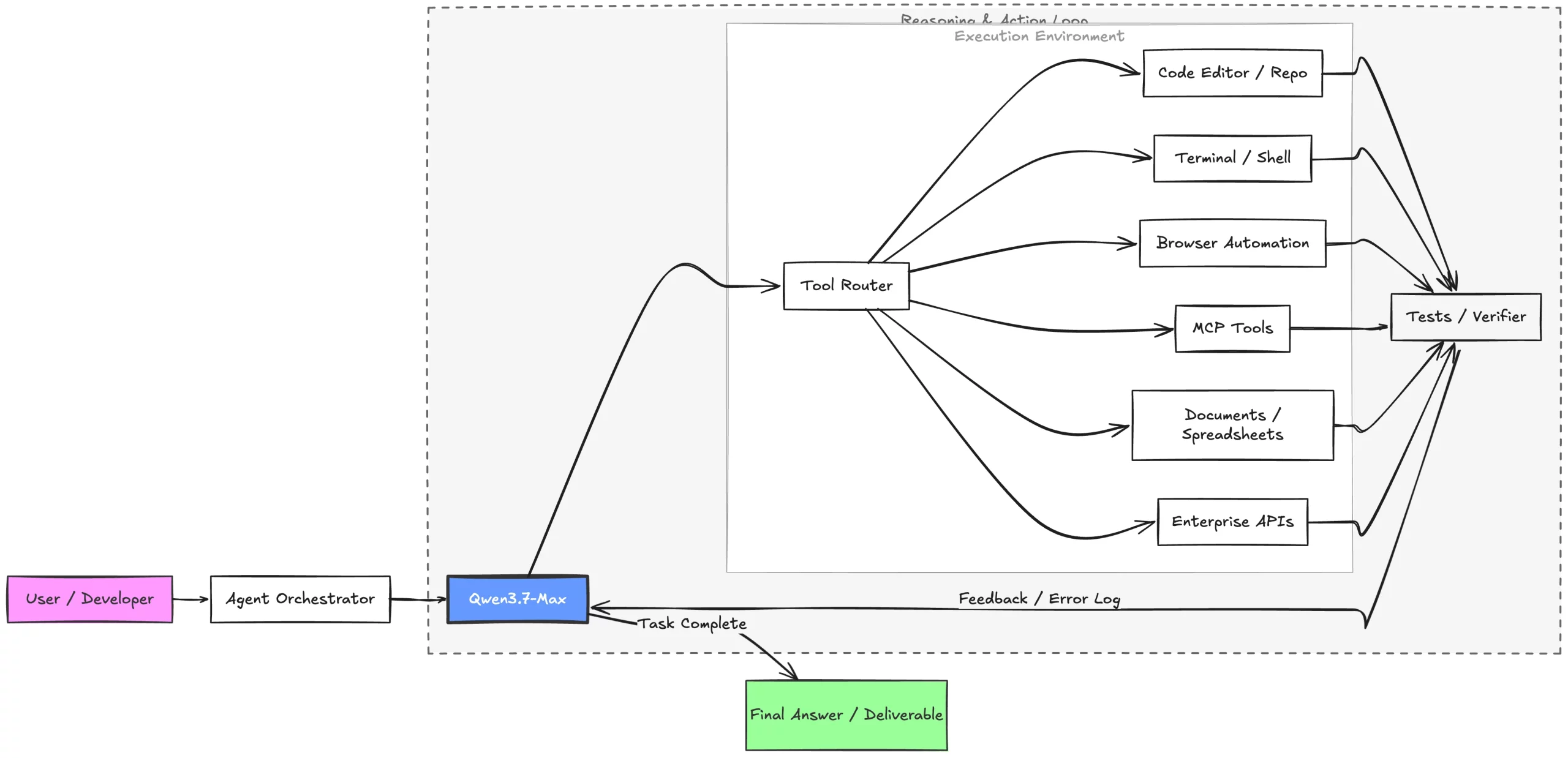
The global landscape of artificial intelligence has shifted from conversational interfaces toward autonomous execution, a transition punctuated by Alibaba’s Qwen team announcing the release of Qwen3.7-Max. This latest flagship model is positioned as a foundational pillar for the “agent era,” moving beyond the capabilities of conventional large language models (LLMs) that primarily focus on text generation and basic chat. Qwen3.7-Max is engineered specifically to power autonomous AI agents capable of high-level coding, multi-step debugging, sophisticated tool utilization, and the management of long-running enterprise workflows.
According to technical specifications released by Alibaba, Qwen3.7-Max demonstrates a significant leap in agentic reliability. The company claims the model can operate autonomously for up to 35 hours without experiencing performance degradation—a critical metric for enterprise-grade agents tasked with monitoring systems or managing complex project lifecycles. Furthermore, the model is built to support over 1,000 consecutive tool calls, addressing one of the primary failure points in current agentic systems: the “drift” or “hallucination” that often occurs during extended task chains.
The Evolution of the Qwen Series and the Shift to Proprietary Flagships
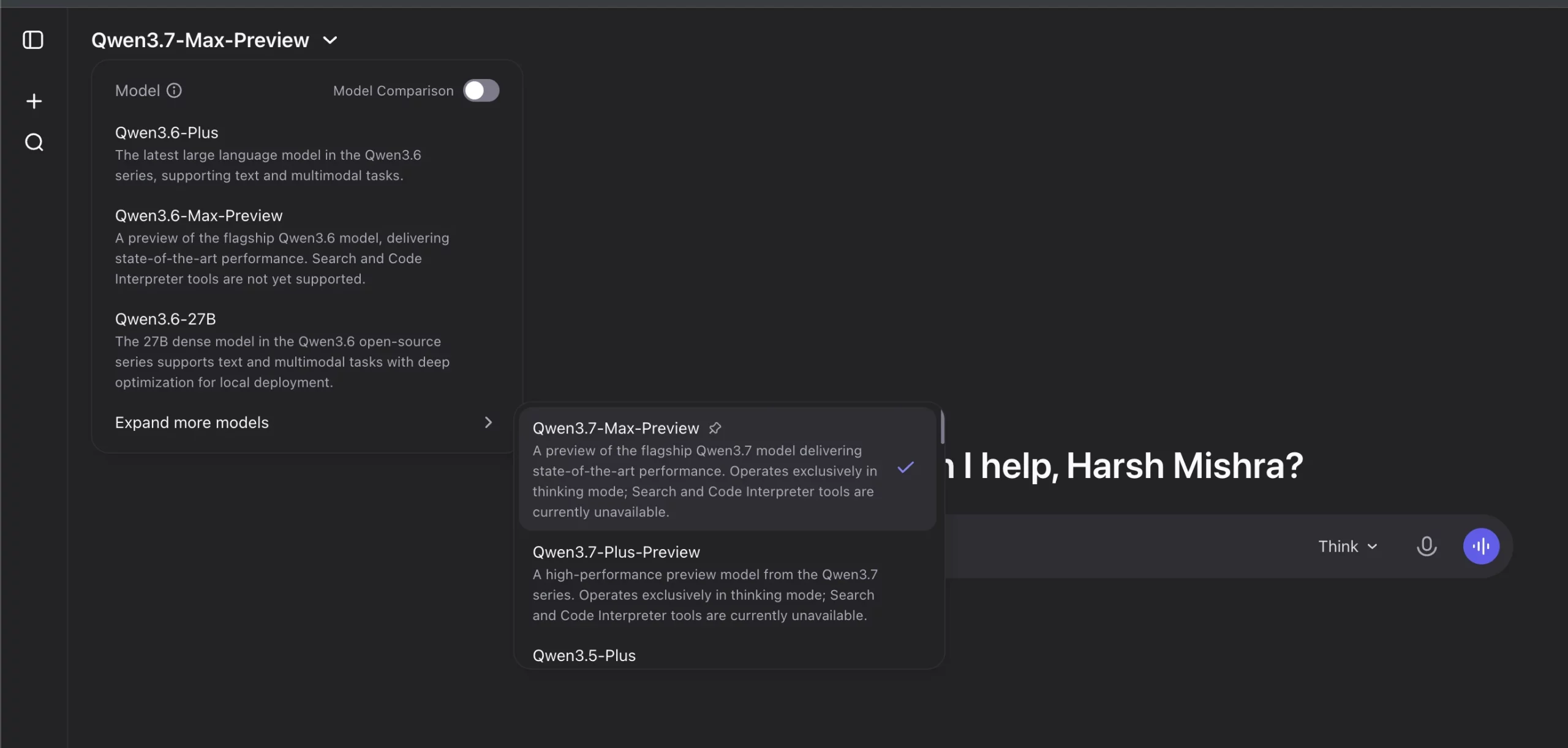
The launch of Qwen3.7-Max marks a strategic pivot for Alibaba’s AI division. Historically, the Qwen series has been a leader in the open-weight community, with versions like Qwen2.5 and its predecessors garnering widespread adoption for their high performance-to-size ratios. However, Qwen3.7-Max is introduced as a hosted proprietary model, accessible via Alibaba Cloud Model Studio and Qwen Studio.
This shift mirrors the strategies of other major AI labs, such as OpenAI with its GPT-4 series and Anthropic with Claude 3.5. By maintaining the model as proprietary, Alibaba can offer a more controlled, high-performance environment optimized for the massive computational demands of long-horizon agentic tasks. While the company has not ruled out future open-weight versions of the 3.7 architecture, the “Max” variant is clearly intended to compete directly with the world’s most powerful hosted models, including Gemini 1.5 Pro and DeepSeek-V3.
Technical Architecture and the Philosophy of Environment Scaling
While Alibaba has remained tight-lipped regarding the specific parameter count and the exact mixture-of-experts (MoE) configuration of Qwen3.7-Max, the release documentation highlights a fundamental shift in training methodology. Rather than focusing solely on next-token prediction or supervised fine-tuning (SFT) for chat, the Qwen team has utilized a strategy known as “Environment Scaling.”
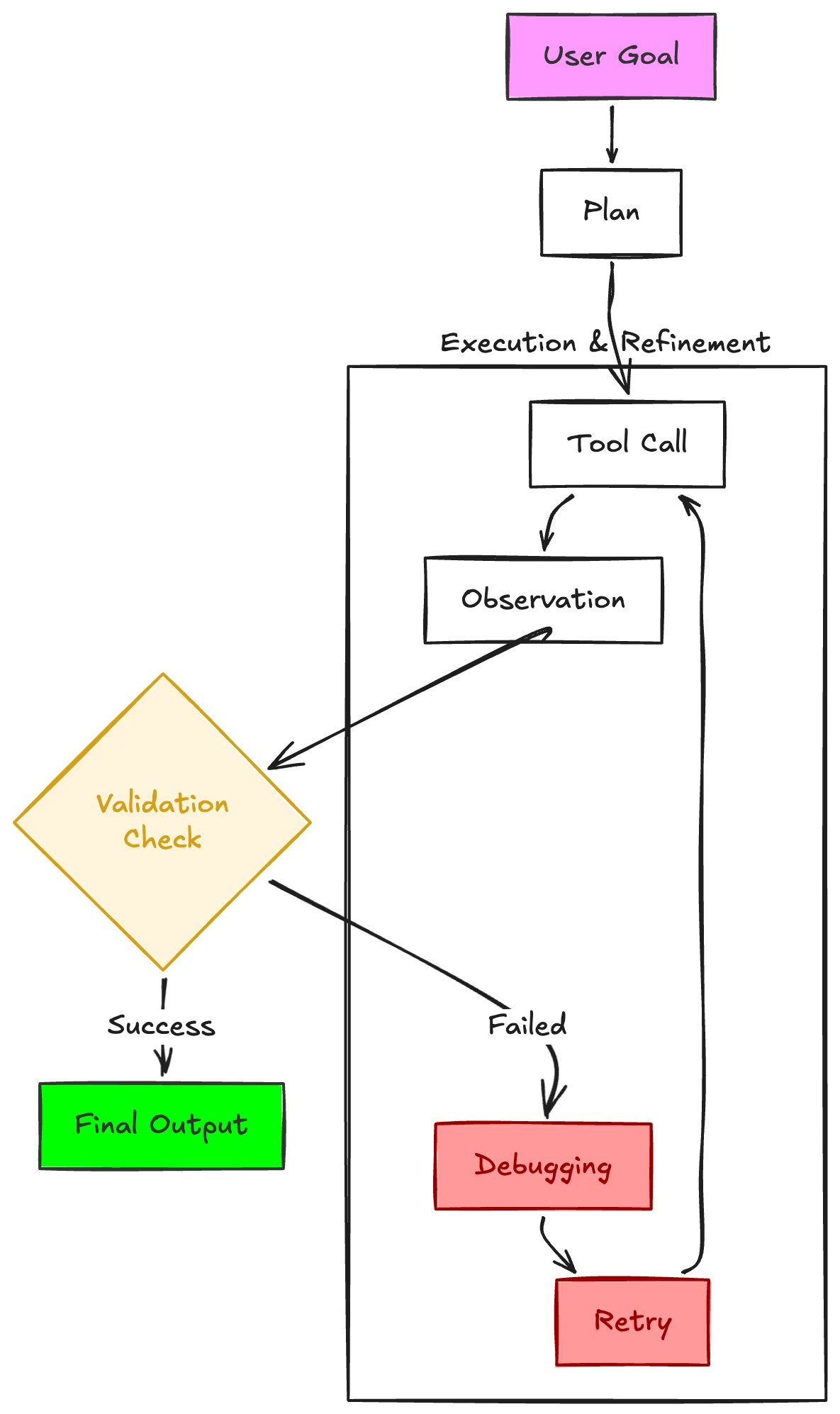
Environment Scaling involves training the model within a diverse array of simulated and real-world agent environments. By separating tasks, harnesses, and verifiers, the model learns generalizable problem-solving strategies rather than memorizing specific patterns. This approach allows the model to function effectively in evolving environments where it must constantly evaluate the results of its previous actions and decide on the next logical step.
The architecture is designed around a closed-loop system:
- Goal Identification: Understanding the user’s high-level objective.
- Planning: Breaking the objective into a sequence of actionable steps.
- Tool Invocation: Executing code, searching the web, or accessing databases.
- Observation: Analyzing the output of the tool.
- Debugging/Refinement: Identifying errors in the output and adjusting the plan.
- Validation: Ensuring the final result meets the initial goal.
Benchmarking Agent Reliability: A New Industry Standard
In the current AI ecosystem, benchmarks often focus on MMLU (Multi-task Language Understanding) or HumanEval for coding. While Qwen3.7-Max performs at the top of these leaderboards, Alibaba is emphasizing a different set of metrics focused on “agent reliability.”
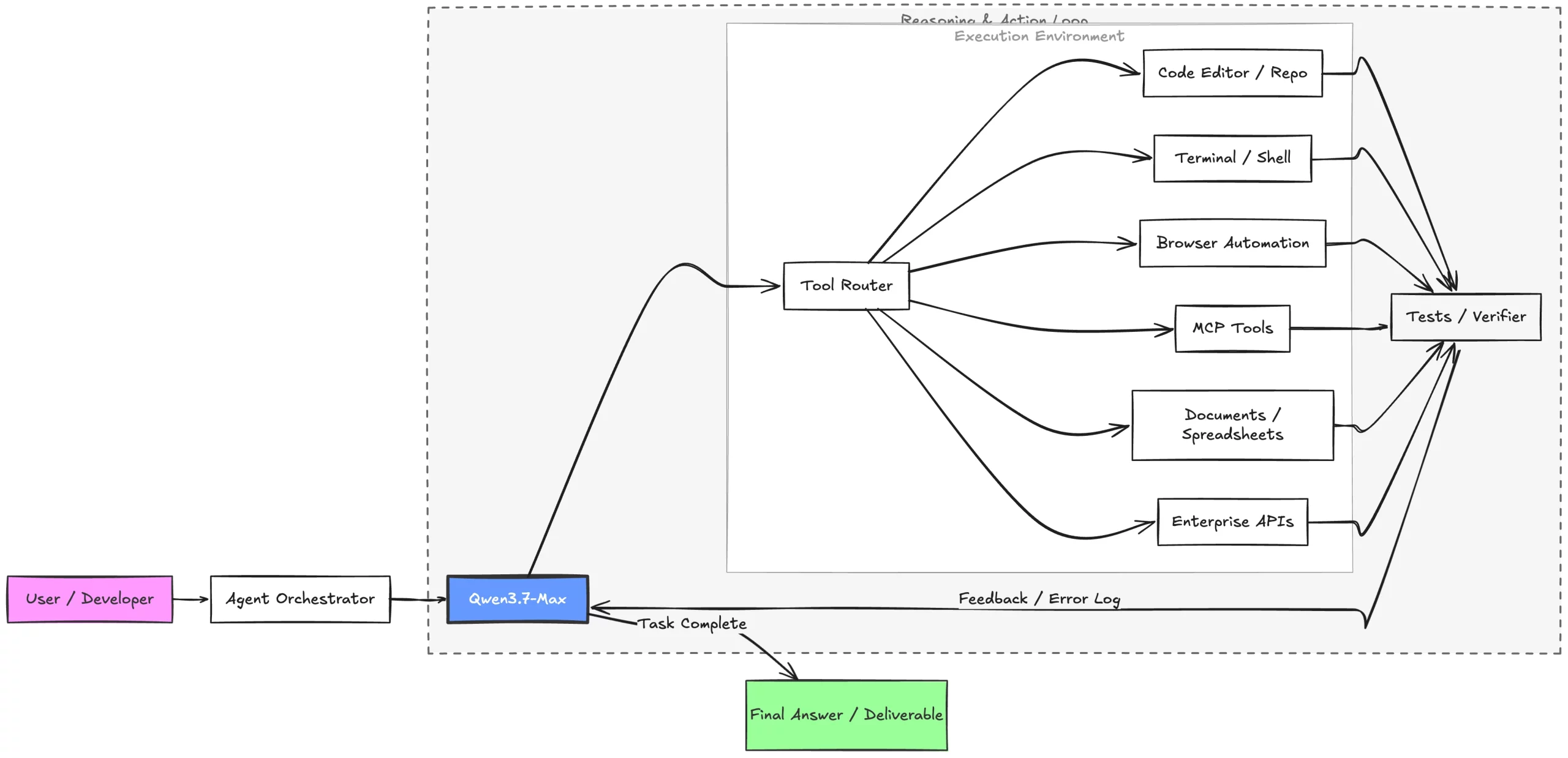
The primary challenge with AI agents in production is not their ability to answer a single question, but their ability to maintain state and accuracy over hundreds of turns. In internal testing, Alibaba reported that Qwen3.7-Max significantly reduced the “failure rate” of long-chained autonomous tasks. For example, in a task involving the management of a software repository—including reading multiple files, identifying a bug across different modules, writing a patch, and running tests—Qwen3.7-Max maintained a success rate that outperformed previous iterations by a wide margin.
This reliability is particularly relevant for “office workflow automation.” Where previous models might fail after five or six steps of a spreadsheet automation task, Qwen3.7-Max is designed to handle the “long tail” of enterprise tasks that require dozens of intermediate steps and error-correction cycles.
Multimedia Capabilities: Image and Video Generation
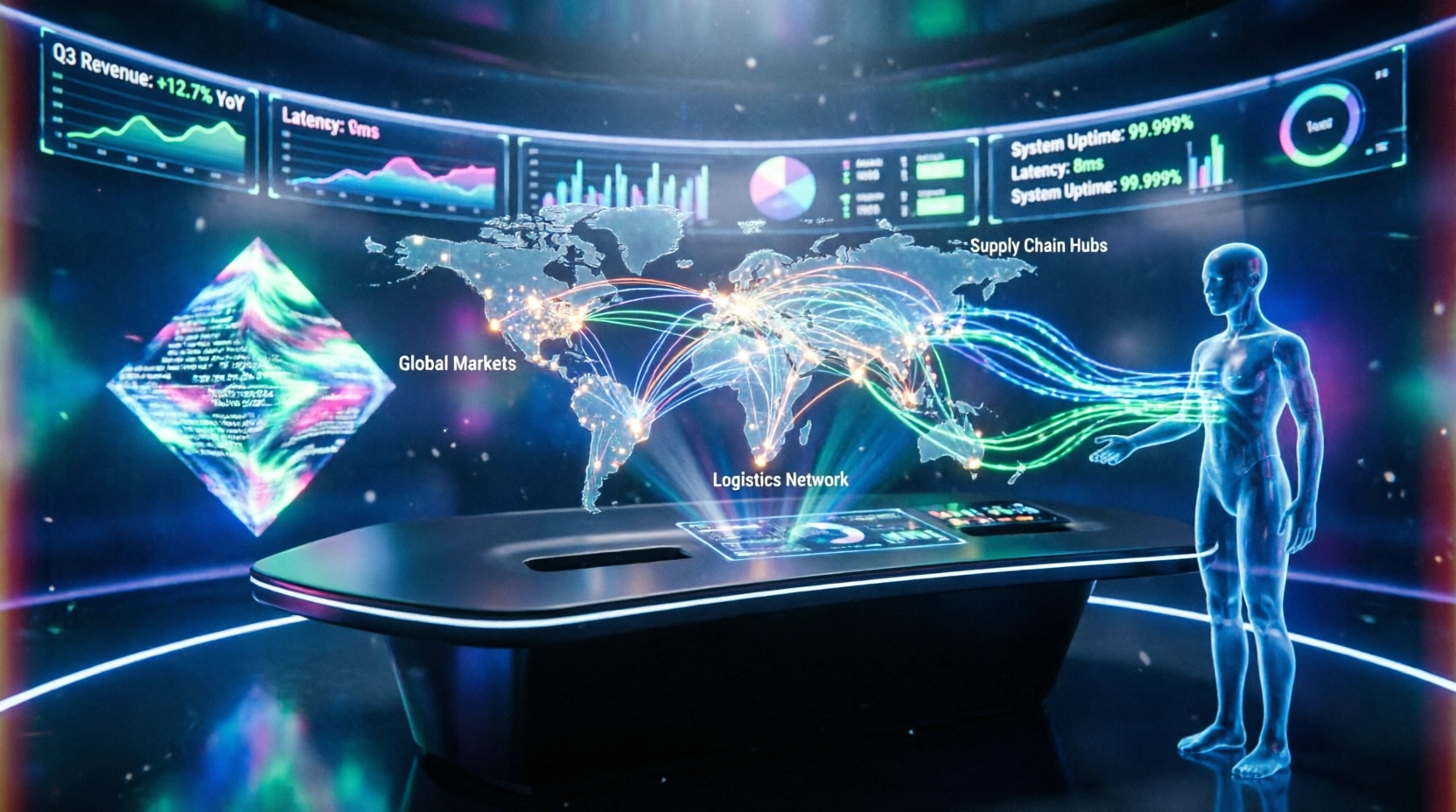
Qwen3.7-Max is not limited to text and code; it is a native multimodal model. This allows for a seamless transition between reasoning and creative execution. During demonstrations, the model was tasked with creating a cinematic visualization of a futuristic control room. The resulting output showcased a high degree of prompt adherence, capturing complex elements such as holographic maps and cyberpunk lighting with realistic detail.
Beyond static imagery, the model supports video generation. Users can provide a generated image as a starting point, and the model can animate the scene, maintaining visual consistency across frames. This integration suggests that Alibaba envisions Qwen3.7-Max as a “central nervous system” for creative agencies and marketing departments, where an agent could theoretically take a product description, generate a storyboard, create the visual assets, and then compile them into a promotional video.
Coding and Data Science: Pushing the Boundaries of Automation
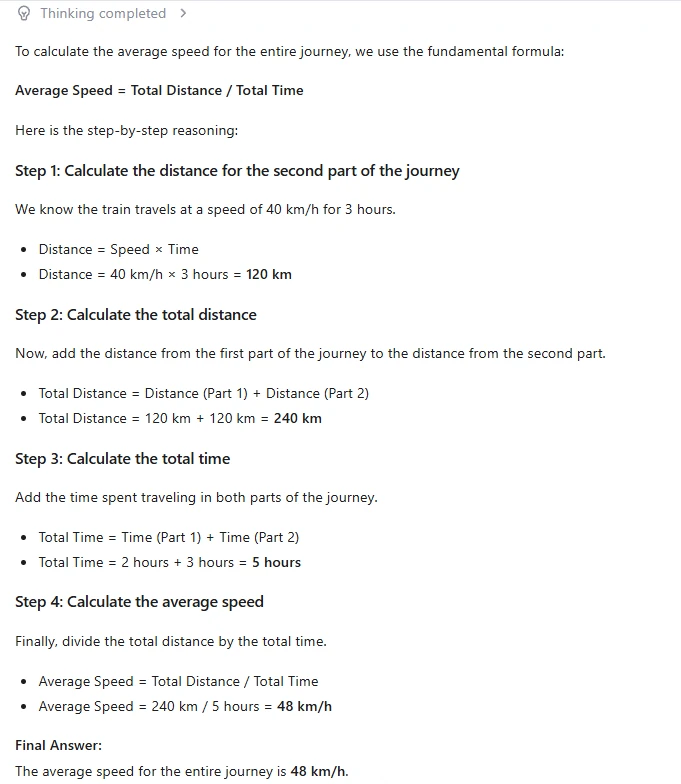
Coding remains one of the strongest use cases for the Qwen series. Qwen3.7-Max enhances this with a deep understanding of scalable data processing. In practical tests, the model was asked to write a Python script for monitoring folders, cleaning CSV data, and generating summary reports.
The model’s output demonstrated an advanced grasp of modern data engineering principles. It suggested the use of chunked execution and out-of-core frameworks like Dask and Polars to handle large datasets—optimizations that go beyond simple scriptwriting. This indicates that the model is trained on a vast corpus of high-quality engineering documentation and real-world repository data, making it a viable partner for senior-level developers rather than just a tool for beginners.
Accessing Qwen3.7-Max: Integration and Enterprise Availability
For developers looking to integrate Qwen3.7-Max into their applications, Alibaba has provided two primary pathways:
- Qwen Studio: A browser-based interface that allows for immediate testing of the model’s reasoning and multimedia capabilities. This serves as a “sandbox” for users to explore the model’s behavior before committing to API integration.
- Alibaba Cloud Model Studio: This is the enterprise-grade portal where developers can access the API. Notably, Alibaba has ensured that the API is OpenAI-compatible, allowing organizations to switch from other providers to Qwen with minimal changes to their existing codebases. The platform supports the DashScope-compatible endpoint, providing a robust infrastructure for high-concurrency applications.
Implications for the Global AI Market
The release of Qwen3.7-Max carries significant implications for the global AI race. For several months, the industry focus has been on the rapid rise of other Chinese models, such as those from DeepSeek, which challenged the dominance of US-based labs. Alibaba’s response with Qwen3.7-Max reinforces the idea that the “frontier” of AI is no longer a monopoly.
By focusing on the “agent era,” Alibaba is targeting the most lucrative segment of the AI market: enterprise automation. While chatbots are popular for consumer use, the real economic value lies in agents that can replace or augment complex human workflows in sectors like finance, legal, and software engineering.
However, the proprietary nature of the model presents a hurdle for some segments of the developer community who have grown to rely on Qwen’s open-weight offerings. Industry analysts suggest that this move is a necessary step for Alibaba to monetize its research and development costs while offering a level of service (latency, uptime, and security) that is difficult to achieve with locally hosted models.
Conclusion and Future Outlook
Qwen3.7-Max represents a maturing of the LLM market. The focus is shifting away from “how many parameters does it have?” to “how many steps can it take without failing?” For technical leaders and AI architects, the model offers a compelling option for building agentic pipelines, particularly for those who require strong multilingual support and advanced coding capabilities.
As the AI industry moves toward 2026, the success of models like Qwen3.7-Max will likely be measured by their integration into real-world business processes. If Alibaba’s claims regarding 35-hour autonomy and 1,000-step tool calling hold true under rigorous third-party testing, Qwen3.7-Max could become the standard-bearer for the next generation of autonomous enterprise intelligence. Organizations are encouraged to conduct internal evaluations, measuring the model’s performance against their specific datasets and task requirements to determine its place in their broader AI strategy.