rifanmuazin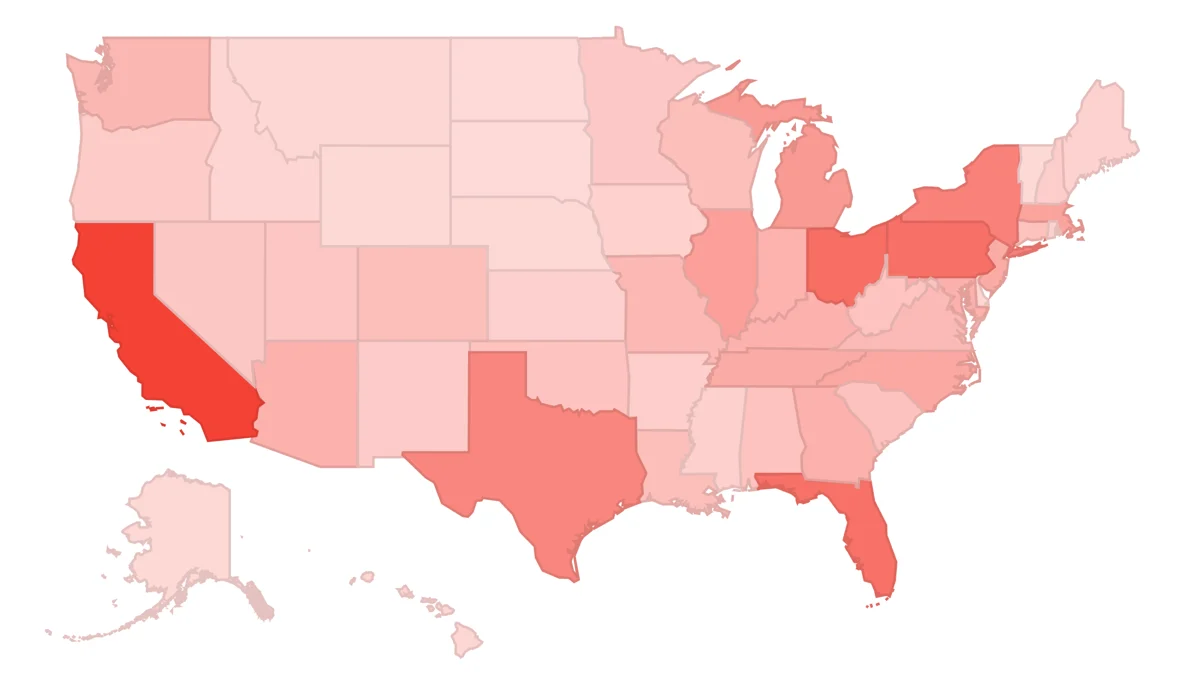
The opioid crisis represents one of the most significant public health challenges in modern history, evolving from a localized issue of over-prescription into a global emergency characterized by high mortality rates and profound societal disruption. Statistical evidence from the Centers for Disease Control and Prevention (CDC), the United Nations Office on Drugs and Crime (UNODC), and various demographic studies reveal a complex landscape where the United States remains the epicenter of a lethal trend. While the crisis is often discussed in terms of personal tragedy, the underlying data provides a clearer picture of the systemic failures, demographic shifts, and pharmacological transitions that have fueled the epidemic over the last three decades.
The Evolution of the Opioid Crisis: A Three-Wave Chronology
To understand the current state of the epidemic, it is necessary to examine the three distinct waves identified by public health officials. The first wave began in the late 1990s, precipitated by a significant increase in the prescription of opioids for pain management. This surge was largely driven by pharmaceutical marketing campaigns that reassured the medical community that the risk of addiction was low. Consequently, drugs like oxycodone and hydrocodone became widely available, leading to a steady rise in overdose deaths involving prescription opioids.
The second wave emerged around 2010, marked by a rapid increase in overdose deaths involving heroin. As state and federal regulations tightened around prescription pads and “pill mills” were shuttered, individuals who had developed dependencies on prescription pills often transitioned to heroin, which was frequently cheaper and more accessible on the illicit market. This shift signaled a move from a crisis contained within the healthcare system to one deeply embedded in the underground drug trade.
The third and most lethal wave began approximately in 2013, characterized by a spike in deaths involving synthetic opioids, particularly illicitly manufactured fentanyl. Fentanyl, a synthetic opioid that is 50 to 100 times more potent than morphine, began appearing in the heroin supply and was eventually pressed into counterfeit pills. Because of its extreme potency, even minute amounts can be fatal, leading to the unprecedented mortality rates observed in the last decade.
Comparative Global Perspectives and the United States Outlier
Data from the UNODC highlights a stark disparity between drug-related mortality in the United States and the rest of the world. While opioid misuse is a global concern, the United States leads significantly in overdose deaths, both in absolute figures and per capita. In 2022, the CDC reported nearly 110,000 drug overdose deaths in the U.S., with approximately 75% involving an opioid.
When analyzed per million inhabitants, the United States outpaces almost every other nation. While countries like Sweden, Australia, and El Salvador show elevated death rates compared to their neighbors, they remain at less than half the rate observed in the U.S. Iceland frequently appears as a statistical outlier due to its small population; a relatively low number of deaths can result in a high “per million” figure, yet the absolute scale of the crisis in Iceland does not mirror the systemic devastation seen in North America.
The reasons for the U.S. dominance in these statistics are multifaceted. Analysts point to the unique structure of the American healthcare system, where aggressive pharmaceutical marketing and a “fee-for-service” model may have incentivized higher prescription volumes. In contrast, many European nations maintained stricter controls over opioid prescriptions and implemented more robust harm-reduction strategies, such as supervised injection sites and widespread access to Medication-Assisted Treatment (MAT), much earlier than their American counterparts.
Demographic Trends and Age-Based Substance Adoption
Data compiled by FiveThirtyEight regarding drug use by age provides critical insight into how different substances permeate various age groups. A notable finding is that while marijuana and cocaine usage rates are higher across broader age ranges, the lethality of opioids, specifically heroin and fentanyl, makes them the primary drivers of mortality.
Heroin use is most concentrated among the 20-34 age demographic. This “clustering” suggests a specific window of vulnerability for young adults. Conversely, substances like crack and cocaine show a more sustained presence among older age groups. The data suggests that the opioid epidemic is not just a matter of “how many” people are using, but “who” is using and the inherent danger of the substance. The relatively small number of heroin users compared to the massive number of heroin-related deaths underscores the drug’s extreme toxicity and the high risk of overdose compared to other illicit substances.
Regional Disparities and the Appalachian Epicenter
Within the United States, the epidemic has not hit all regions with equal force. CDC data reveals that the Appalachian region and parts of the industrial Midwest have been disproportionately affected. States such as West Virginia, Ohio, Kentucky, and Pennsylvania have consistently reported some of the highest overdose death rates in the nation.
West Virginia, in particular, has frequently served as the “canary in the coal mine” for the crisis. Economic stagnation, high rates of manual labor leading to physical injury, and a lack of access to mental health services created a “perfect storm” for opioid dependency. The data shows that in these high-risk states, the trend of overdose deaths often precedes national shifts, providing a grim preview of what other states might face if interventions are not prioritized.
However, the crisis is shifting geographically. Recent data indicates that the “New England” region and parts of the South are seeing the fastest growth in synthetic opioid deaths. This suggests that the epidemic is no longer confined to rural areas or specific socioeconomic pockets but is a pervasive national issue affecting urban and suburban communities alike.
Official Responses and Legal Accountability
The magnitude of the crisis has prompted significant responses from federal and state governments, as well as the judicial system. In recent years, a wave of litigation has targeted the “Big Three” drug distributors and major pharmaceutical manufacturers. The most notable of these was the legal action against Purdue Pharma, the maker of OxyContin. Settlements totaling billions of dollars have been reached, with the funds earmarked for addiction treatment, prevention programs, and support for communities ravaged by the crisis.
The Department of Health and Human Services (HHS) and the DEA have also implemented stricter monitoring programs. The “Overdose Prevention Strategy” launched by the Biden administration focuses on four key pillars: primary prevention, harm reduction, evidence-based treatment, and recovery support. This includes increasing the availability of Naloxone (Narcan), an opioid-reversal agent that has saved thousands of lives, and removing barriers to buprenorphine, a medication used to treat opioid use disorder.
Despite these efforts, law enforcement faces an uphill battle against the supply chain of synthetic opioids. Fentanyl is often produced in clandestine labs abroad and smuggled into the country in small, highly concentrated batches that are difficult to detect. This has led to a call for increased international cooperation and more sophisticated border detection technology.
Broader Socioeconomic Implications and Future Outlook
The implications of the opioid epidemic extend far beyond the immediate loss of life. The economic burden is estimated to be over $1 trillion annually in the United States alone, accounting for healthcare costs, lost productivity, and the strain on the criminal justice system. Furthermore, the crisis has had a devastating impact on families, leading to a surge in the number of children entering the foster care system as parents struggle with addiction or succumb to overdoses.
Sociologists often refer to opioid deaths as “deaths of despair,” linking them to a broader sense of hopelessness and economic instability. Addressing the crisis, therefore, requires more than just medical intervention; it necessitates a focus on the underlying social determinants of health, including education, employment opportunities, and community support structures.
In conclusion, the data surrounding the opioid epidemic serves as both a record of a tragedy and a roadmap for intervention. While the United States remains the most affected nation, the global nature of the drug trade and the rising potency of synthetic substances mean that no region is immune. The transition from prescription pills to heroin and finally to fentanyl illustrates a crisis that adapts and intensifies, requiring a dynamic and data-driven response. Only through a combination of rigorous pharmaceutical oversight, expanded access to treatment, and a commitment to addressing the root causes of addiction can the trajectory of the epidemic be reversed. The ongoing analysis of these trends is not merely an academic exercise but a vital component in the effort to safeguard public health and prevent further loss of life.