rifanmuazin
Email design, long considered a specialized discipline, is increasingly being recognized as a critical component of successful digital marketing strategies, accessible to any sender equipped with foundational knowledge and contemporary tools. As the digital landscape evolves, staying abreast of both enduring best practices and emerging trends is paramount for brands and marketers aiming to maximize engagement and deliverability. These crucial insights were the focal point of the recent Email Camp event, held on December 2, 2025, where industry leaders converged to dissect the art and science of effective email communication.
The Email Camp event, a highly anticipated annual gathering for email marketing professionals, serves as a vital platform for sharing innovative strategies and practical solutions. Attended by thousands of marketers, designers, and strategists, the conference aims to equip participants with the knowledge to navigate the complexities of email deliverability, engagement, and conversion in an increasingly crowded inbox. A highlight of this year’s event was a dedicated session on email design, featuring Mike Nelson from Really Good Emails, who unveiled a series of cutting-edge design trends projected to significantly boost engagement in 2026. Nelson’s presentation also emphasized critical approaches to problem-solving for readers and ensuring universal accessibility across diverse devices and platforms. For those unable to attend the live presentation, a comprehensive overview of the discussed best practices, valuable resources, and forward-looking trends is essential for transforming any email marketer into a design expert.

Foundational Best Practices for Campaign Success
Complementing the forward-looking trends, Françoise Sahli, Digital Design Director at Sinch, provided a robust framework of email design best practices, emphasizing principles that are equally applicable for both novice and seasoned marketers. Her guidance underpins the technical and aesthetic considerations necessary for creating impactful emails, regardless of one’s design proficiency.
Optimal Formatting for Universal Display
A cornerstone of effective email design is meticulous formatting, particularly concerning email width. Sahli advises adhering to standard widths: 600 pixels for desktop displays and 320 pixels for mobile devices. Deviating from these dimensions risks forcing users into horizontal scrolling, a significant deterrent to engagement, as it disrupts the natural reading flow and can lead to a frustrating user experience. Research consistently shows that emails requiring horizontal scrolling are abandoned at a higher rate, impacting overall campaign performance.
Beyond width, image optimization is critical. Large image files can severely impede email loading times, leading to subscriber frustration and a higher likelihood of message abandonment. Tools such as Compress JPEG are invaluable for reducing image file sizes while preserving visual quality. This practice is not merely aesthetic; oversized images and large HTML files are known culprits in negatively impacting email engagement and, crucially, deliverability rates. Industry reports indicate that emails exceeding 100KB can experience up to a 15% reduction in deliverability due to increased scrutiny from Internet Service Providers (ISPs), which often flag such emails as potentially spammy. For a deeper dive into optimizing email file sizes and other best practices that enhance deliverability, resources like Sinch Mailjet’s recently published guide offer comprehensive insights.
Strategic Image Usage and Accessibility
The role of images in emails extends beyond visual appeal; it directly influences deliverability. ISPs employ sophisticated algorithms to assess the text-to-image ratio within an email, a key factor in determining whether a message reaches the inbox or is diverted to spam. A widely recommended ratio is approximately 70% text to 30% images. This balance ensures that the email is perceived as informative rather than an overly promotional graphic, mitigating the risk of being flagged as spam. Excessive imagery can lead to messages being blocked or filtered, undermining the entire campaign.
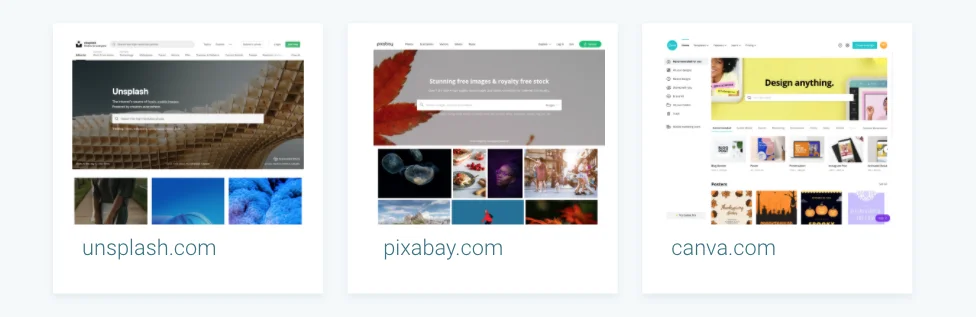
Furthermore, designers must anticipate scenarios where images may not load, either due to recipient email client settings or network issues. Françoise Sahli strongly advocates for the inclusion of alt-text (alternative text) for all images. This descriptive text is displayed if an image fails to load, providing context to the recipient. Additionally, adding a background color behind images ensures that text remains legible even if the visual element is absent. For sourcing high-quality, free images, Unsplash and Pixabay offer extensive libraries. For those needing assistance with graphic design, Canva provides user-friendly tools to create professional-looking email elements without requiring advanced design expertise.

Optimizing Calls-to-Action (CTAs) for Conversion
Calls-to-action (CTAs) are pivotal in driving conversions, prompting readers to take desired actions such as registering for an event or making a purchase. Strategic placement and design of CTAs are paramount. Sahli recommends limiting the number of CTAs, especially "above the fold"—the visible area of an email before scrolling. Overloading this prime real estate can overwhelm recipients and dilute the message’s impact. Instead, focus on a single, clear primary CTA above the fold, with secondary CTAs placed strategically further down the email.
The visual prominence of CTAs is also critical. Utilizing contrasting colors and adequate spacing ensures buttons stand out and are easily identifiable. For mobile users, button size and spacing are particularly important. CTAs should be at least 40 to 48 pixels wide to accommodate finger taps, and sufficient space between clickable elements prevents accidental clicks on unintended links. Studies indicate that optimizing CTA design and placement can increase click-through rates by up to 28%, significantly impacting conversion metrics.
Thoughtful Typography for Readability
Typography plays a crucial role in readability and brand identity. Email design distinguishes between two main font types: web-safe fonts and web fonts. Web-safe fonts, such as Arial, Times New Roman, Verdana, and Georgia, are universally supported by most operating systems and email clients, ensuring consistent display. Web fonts, like Open Sans and Roboto, offer greater design flexibility but come with compatibility challenges.
As Françoise Sahli points out, "While web fonts offer many design opportunities, specialists must be careful because, unfortunately, not all email clients support them." This necessitates implementing a robust fallback font strategy. By specifying a list of backup fonts, designers ensure that if a recipient’s email client cannot render the primary web font, it defaults to the next available font on the list, maintaining a consistent and legible display that closely approximates the original design intent. This careful approach prevents emails from appearing broken or unprofessional to segments of the audience.
Ensuring Code Compatibility Across Clients
The fragmented ecosystem of email clients presents unique challenges for designers. Certain common web features and HTML/CSS elements may not render consistently across all platforms. For instance, Gmail might struggle with certain web fonts, some versions of Outlook may display background images incorrectly, and many webmail providers have limited support for advanced features like drop shadows. Therefore, rigorous testing for compatibility is essential.
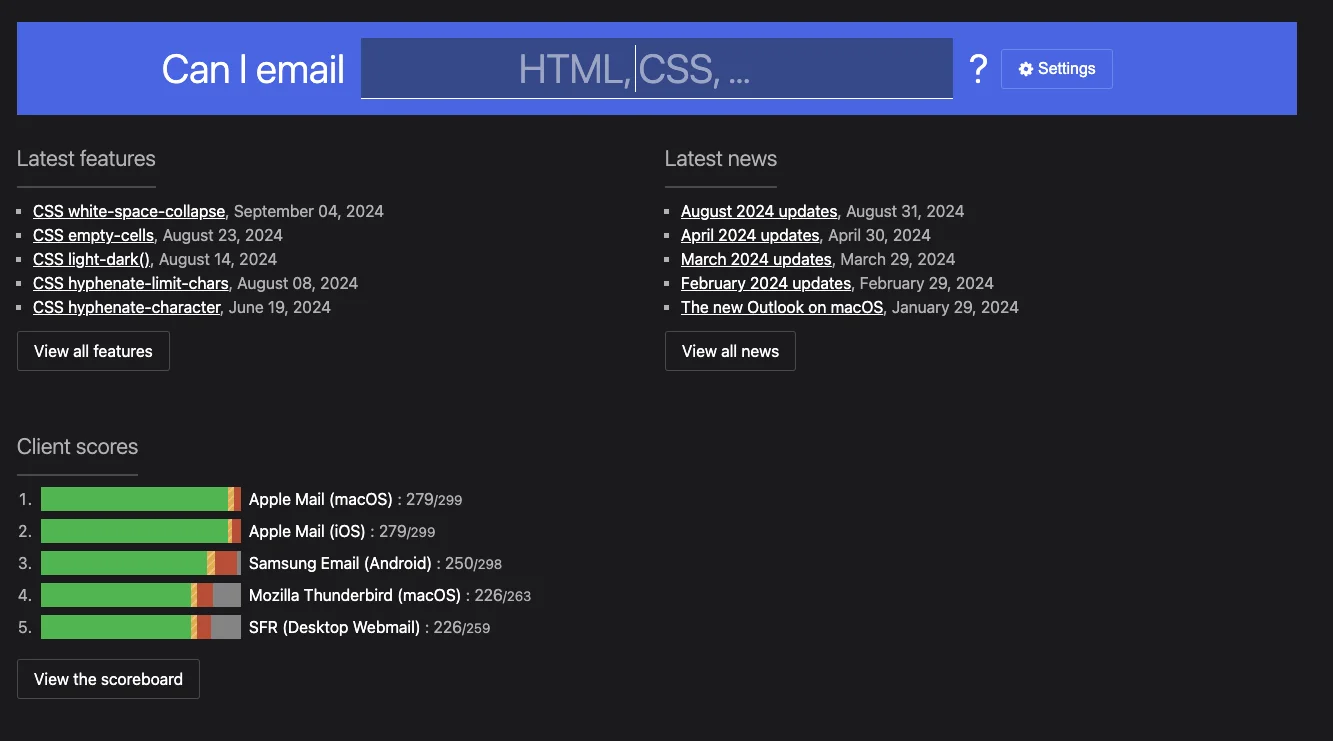
Tools like Can I Email are indispensable resources, providing detailed information on the partial or total support of various HTML and CSS features across a multitude of email clients. This allows designers to make informed decisions about design possibilities, ensuring that their creative vision translates effectively to every inbox. Neglecting code compatibility can lead to significant discrepancies in how an email is displayed, eroding brand credibility and user experience.
The Imperative of Responsive Design
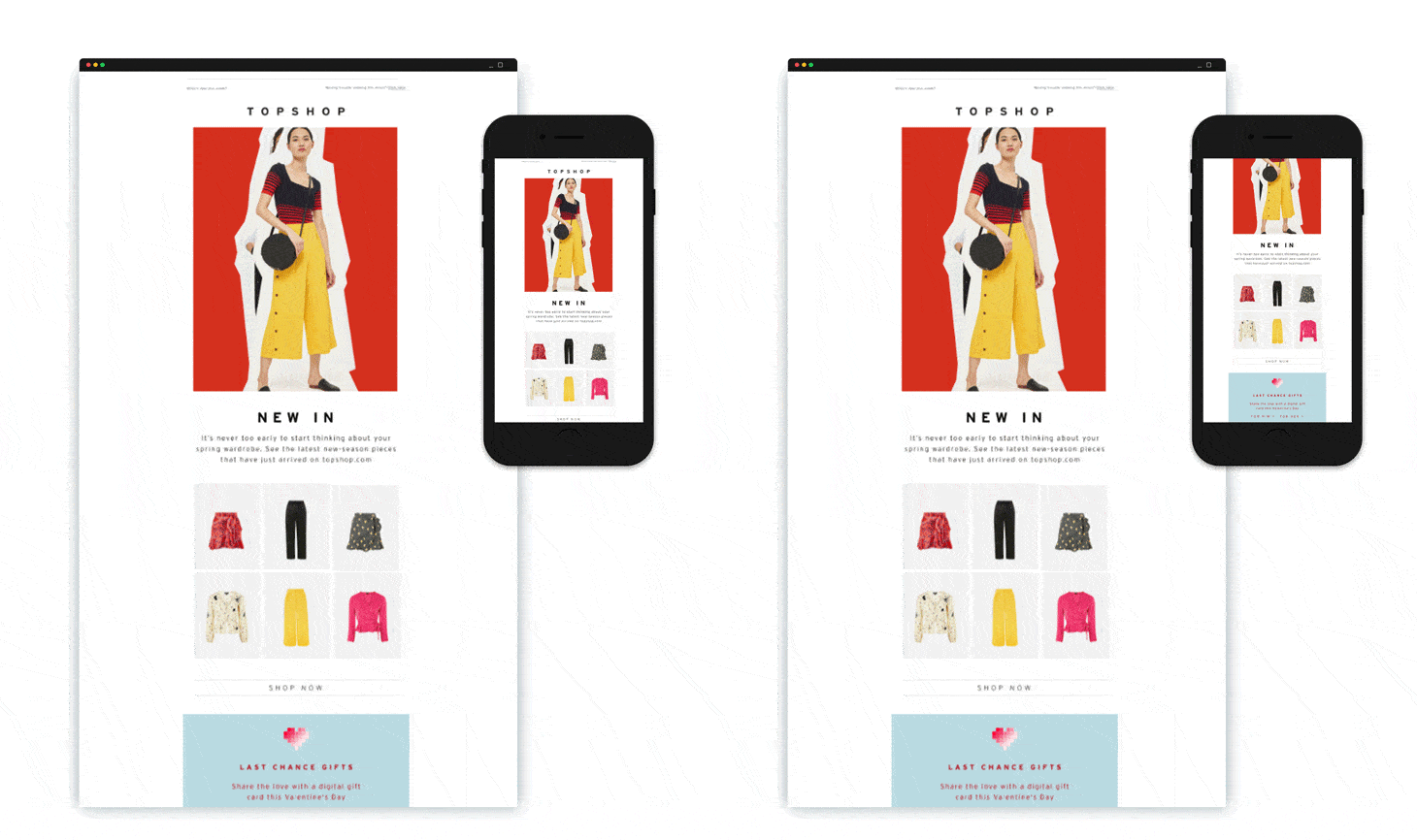
In an era dominated by mobile devices, responsive design is no longer a luxury but a necessity. Responsive design automatically adjusts an email’s layout and content to fit the screen size of any device, from desktops to smartphones. The data is stark: 80% of email recipients have indicated they would delete an email that does not display correctly on a mobile device. This highlights the critical importance of a mobile-first design philosophy.
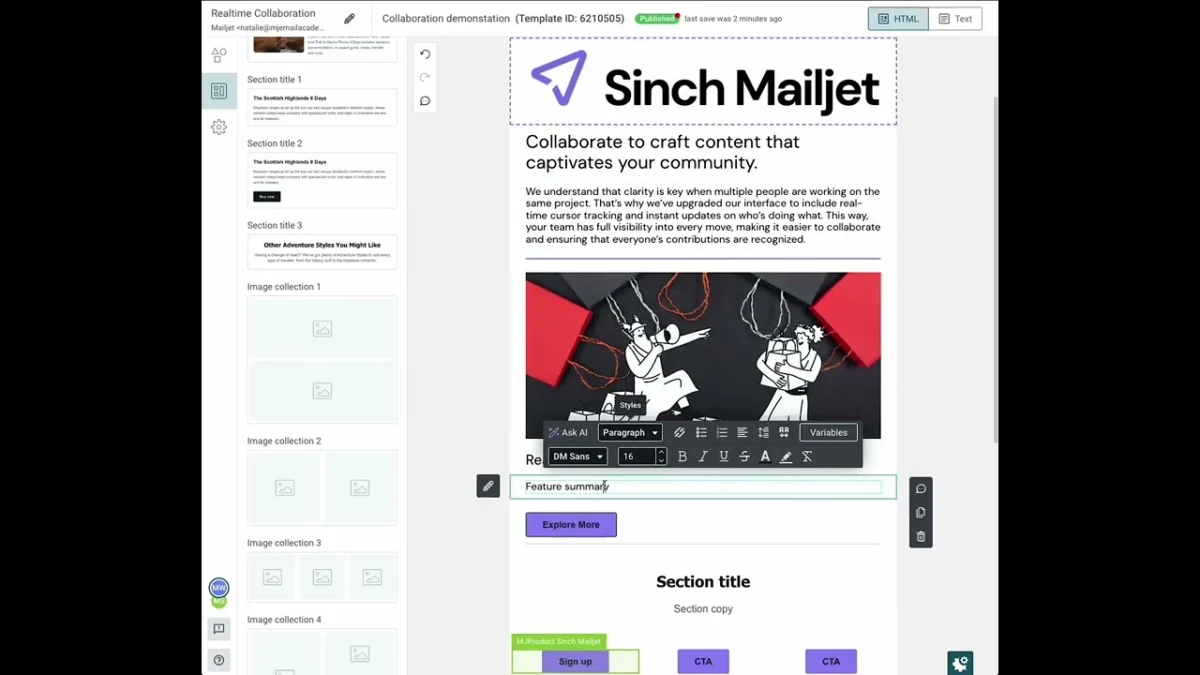
To facilitate responsive design, email editors that incorporate this functionality by default are invaluable. Sinch Mailjet’s Email Editor, for example, offers a drag-and-drop interface that inherently supports responsive design. Furthermore, its preview feature allows marketers to visualize how their emails will appear across various devices, operating systems, and email clients, eliminating guesswork and ensuring a flawless presentation every time. This proactive approach significantly enhances user experience and engagement.
Leveraging Templates and Components for Efficiency
Just as web developers utilize component libraries for website design, email marketers can greatly benefit from creating a library of email components and templates. This strategy fosters brand consistency and significantly streamlines the email creation process. Once a library of standardized elements (headers, footers, CTAs, content blocks) is established, all subsequent emails can be assembled using these pre-approved components, ensuring adherence to design guidelines and brand identity.
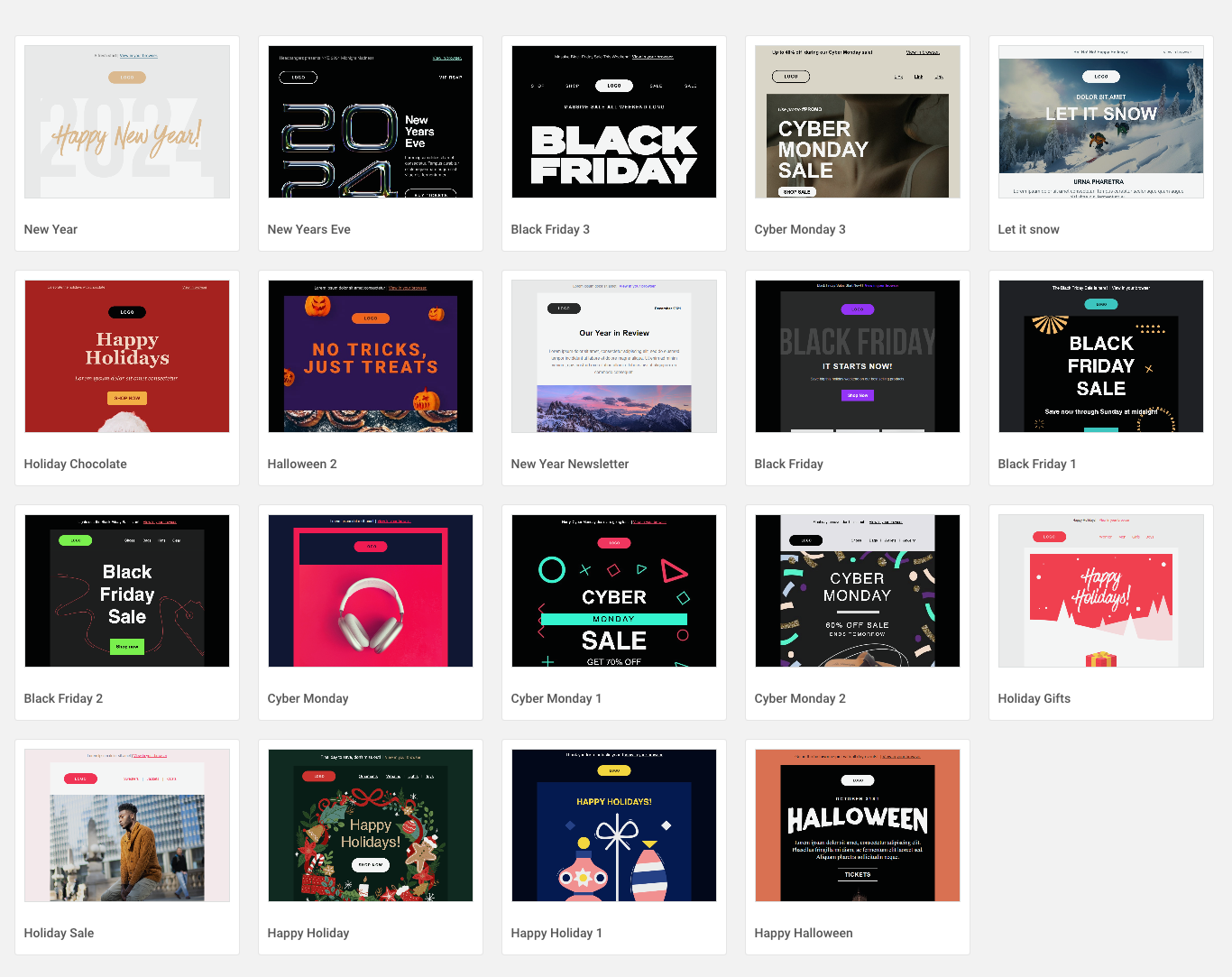
A component library also facilitates efficient testing. Entire libraries can be rigorously tested for rendering consistency across various email clients, guaranteeing that any email built from these components will display correctly. Moreover, this modular approach accelerates A/B testing, allowing marketers to quickly experiment with different layouts and content arrangements to optimize performance. Resources like Really Good Emails and Email Love offer vast galleries of well-designed emails, providing endless inspiration for building robust component libraries and fostering creative excellence.
Cutting-Edge Email Design Trends for 2026
Beyond foundational best practices, Mike Nelson’s session at Email Camp delved into the avant-garde of email design, highlighting trends that are poised to redefine engagement in 2026. These trends reflect a shift towards more impactful, authentic, and user-centric communication.
"Go Big, Or Go Home": Emphasizing Brand Identity
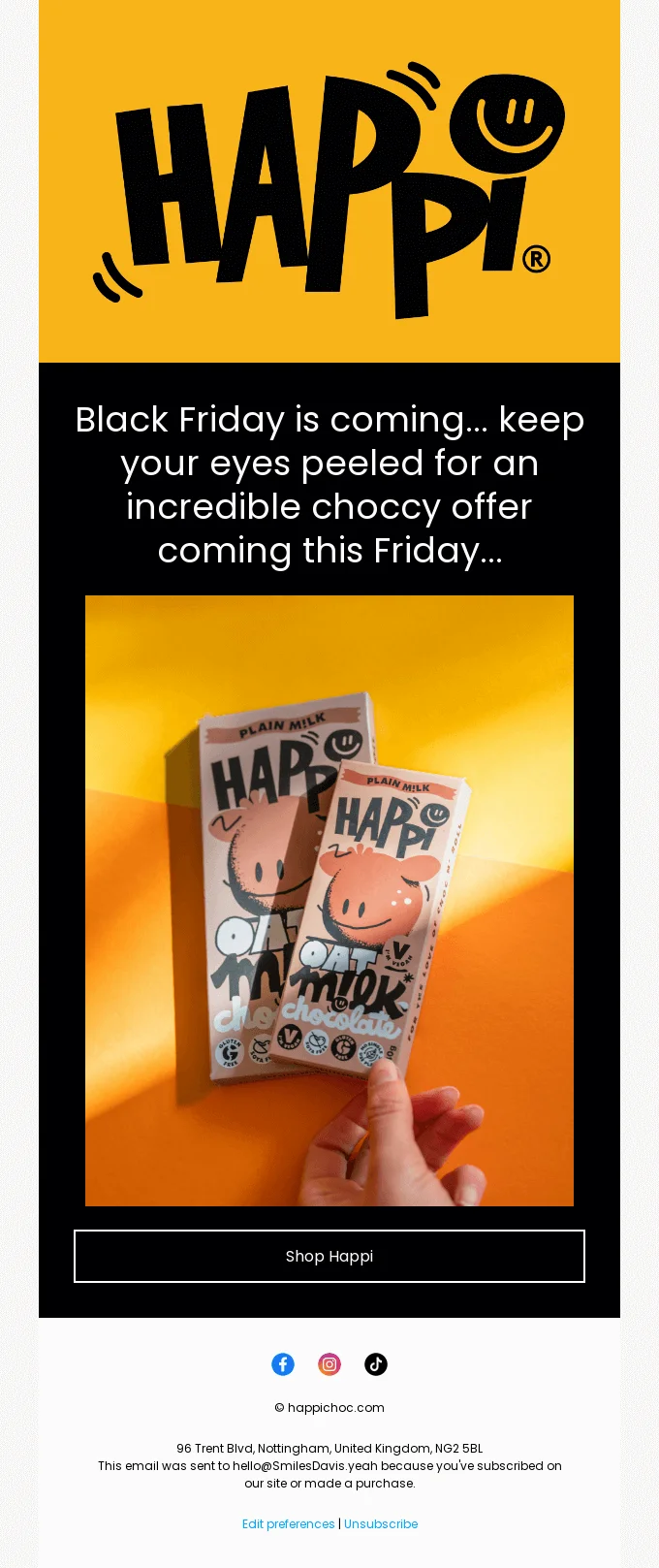
A prominent trend observed by Mike Nelson and the Really Good Emails team is the aggressive push by brands to differentiate themselves through bold design choices. This involves centering the email’s visual narrative around the brand itself, rather than solely focusing on a product or message. Intriguingly, many companies are achieving this not through traditional logos or trademarks, but through large, audacious text, commanding headlines, and striking images.
Examples include brands like Happi, which uses expansive header images to immediately capture attention and reinforce brand presence, and The Label Edition, where the sheer scale of the title draws recipients deep into the email’s narrative. This trend is gaining traction because, in an increasingly saturated marketplace, brands are seeking unconventional ways to cut through the noise. By deliberately deviating from conventional email structures, they aim to create a memorable and engaging experience that stands out from the competition. This "quirky" approach is a calculated risk, betting on novelty to drive higher engagement and recall.
"Hard Tables": Structured Clarity Through Visual Segmentation
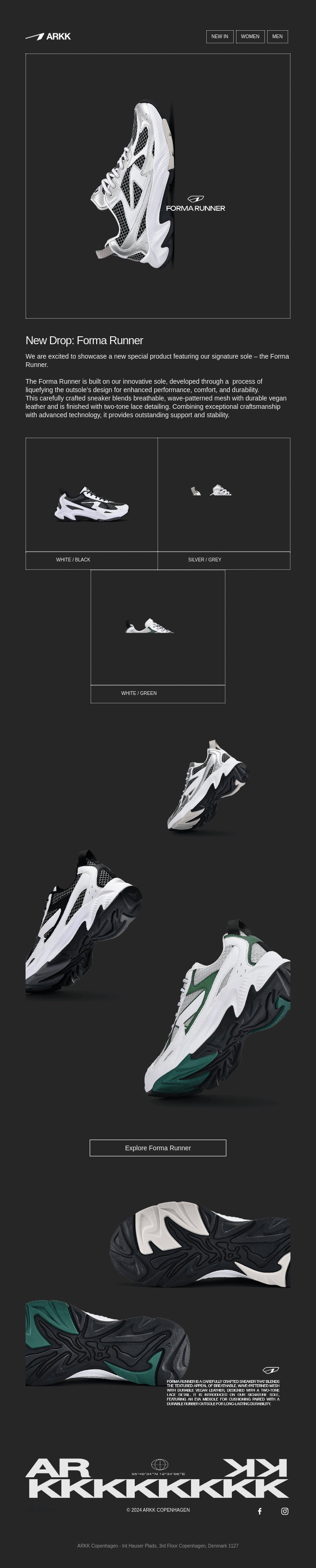
"Hard tables" refer to the use of distinct, often dark-lined, borders to delineate content blocks within an email. While traditionally black, these outlines can adapt to dark mode environments with white lines, as seen in examples from brands like Arkk, which uses white blocking lines to highlight content against a dark background, or XXXI, employing classic hard tables on a white canvas.

The appeal of hard tables lies in their ability to provide structured clarity. By visually enclosing related content, these tables make newsletters appear more organized and easier to digest. This is particularly beneficial for emails with multiple sections or extensive content, guiding the reader’s eye and preventing information overload. The clear segmentation enhances readability and improves the overall user experience, making complex messages more approachable.
"Celeb Cameos": Re-emerging Influence of Brand Ambassadors
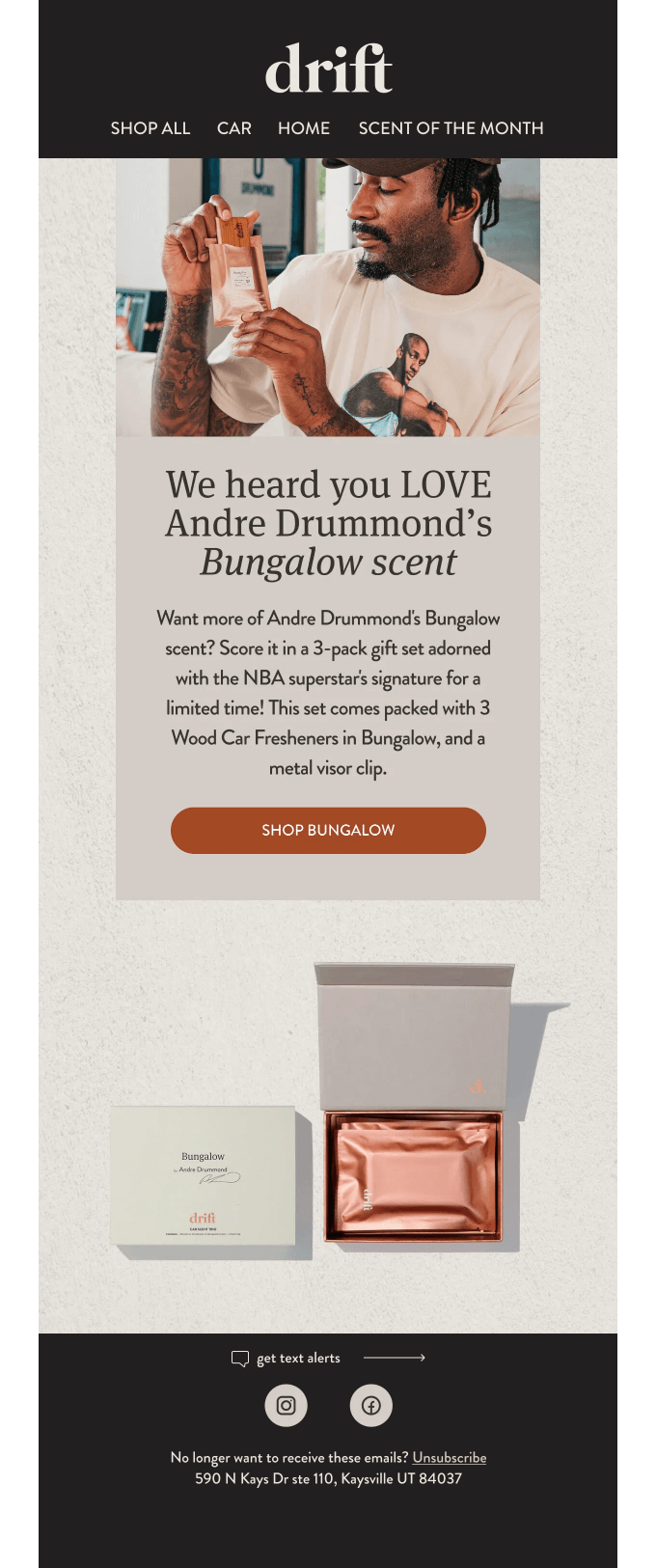
The use of celebrities in marketing is a time-honored tradition, dating back to the late 19th century. This trend is experiencing a resurgence in email design. As exemplified by Drift employing Andre Drummond as the face of an email campaign, celebrity endorsements instantly lend "street credibility" and can significantly elevate a brand’s reputation.
The power of celeb cameos lies in their ability to tap into existing fan bases. If the celebrity resonates with the target audience and shares the email campaign across their social media platforms, it can achieve viral reach, extending far beyond the typical subscriber list. This amplified exposure and the inherent trust associated with a respected public figure can dramatically increase brand visibility and engagement.
"Picture Wall": Visual Immersion Through Abundant Imagery
The "picture wall" trend addresses the common marketer’s dilemma of selecting a few images from a large pool of high-quality assets. Instead of agonizing over choices, this approach advocates for using a multitude of images, arranged in a visually rich mosaic. Lululemon’s email campaigns, showcasing trainers from various angles, and Le Rose’s use of numerous "real brides, real love" images, illustrate this concept effectively.
Beyond simply showcasing more visuals, the picture wall allows brands to present products from diverse perspectives. For clothing, it can show items worn by individuals of different body types, heights, or genders, enabling potential customers to better envision themselves using the product. This visual immersion provides a more comprehensive understanding and connection with the product, potentially leading to higher conversion rates.
"Raw and Unfiltered": The Authenticity Movement
In response to the pervasive influence of artificial intelligence across industries, particularly in areas like AI email marketing, there’s a growing counter-culture movement towards authenticity in email design. This "raw and unfiltered" trend involves incorporating unedited images and video footage into newsletter campaigns, reminiscent of classic "no nonsense" advertising. Patagonia, for instance, opens its newsletters with unedited photos of dogs in camper vans, while GiftShop’s collaboration with Parisian restaurant dumbo uses a slide of raw kitchen images to market a new t-shirt line.

This trend capitalizes on a desire for genuine connection in a digital world often perceived as overly curated or artificial. By presenting unedited, real-world visuals, brands aim to build trust and foster a sense of relatability with their audience. This authenticity can create a more profound emotional connection, making the brand feel more human and trustworthy in an era of synthetic content.
Prioritizing Environmental Responsibility and Accessibility
Beyond aesthetic and engagement trends, the future of email design is also being shaped by ethical considerations: environmental responsibility and accessibility. These factors are increasingly influencing brand perception and user expectations.
Jonathan Loriaux, CEO and founder of the email marketing agency Badsender, aptly states, "When we talk about email and environment, there are really two points where we can have a positive influence: data storage and display." Reducing email carbon footprint involves several straightforward practices: optimizing image sizes, minimizing heavy HTML elements, streamlining email code, and adopting cleaner, simpler designs. This not only benefits the environment but also improves loading times and deliverability.
Accessibility, meanwhile, addresses the needs of a vast audience. With over 1.3 billion people globally living with some form of visual impairment, designing inclusive emails is a moral and strategic imperative. This trend aligns with the growing adoption of voice assistants, which are increasingly reading messages aloud. To ensure compatibility and ease of use for these tools and visually impaired users, designers must:
- Use sufficient color contrast for text and background.
- Provide clear and descriptive alt-text for all images.
- Structure content logically with proper heading tags.
- Ensure clickable elements are large enough and well-spaced.
- Avoid using images of text, instead using live text for better screen reader compatibility.
- Implement logical tab order for interactive elements.
Adhering to Web Content Accessibility Guidelines (WCAG) not only broadens a brand’s reach but also enhances its reputation as an inclusive and responsible entity.
Sinch Mailjet: Empowering Designers for the Future
Sinch Mailjet’s email marketing solution is engineered to support marketers in implementing both enduring best practices and emerging design trends. Its intuitive drag-and-drop email builder empowers users to craft 100% responsive email campaigns that render flawlessly across all screens and devices, requiring minimal technical expertise. The platform’s preview feature is particularly valuable, offering real-time insights into how emails will appear across various inboxes, device makers, and geographic regions.

Mailjet’s extensive email template gallery serves as a significant time-saver, enabling marketers to quickly launch campaigns while ensuring design consistency and brand adherence. This allows teams to shift focus from design execution to strategic optimization of email performance. Furthermore, Mailjet integrates advanced features such as email segmentation, personalization, and A/B testing, which are crucial for tailoring content, optimizing engagement, and continuously improving campaign effectiveness in line with the sophisticated demands of modern email marketing.
As email continues to be a cornerstone of digital communication, the ability to design engaging, accessible, and high-performing messages is non-negotiable. By embracing both the timeless principles of good design and the innovative trends highlighted at events like Email Camp, marketers can ensure their campaigns resonate powerfully with audiences, driving measurable results well into 2026 and beyond.