rifanmuazin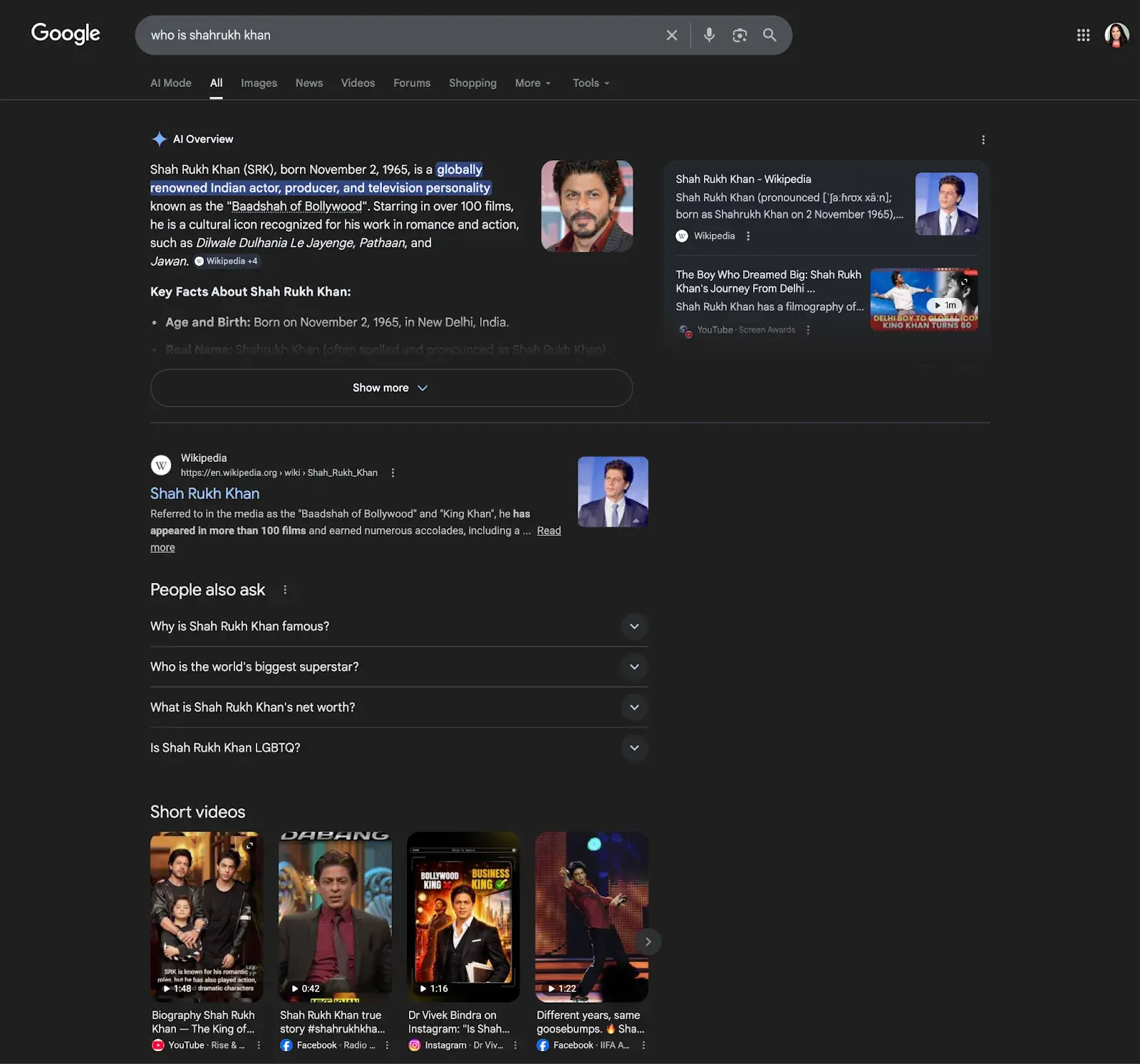
For decades, the digital marketing sphere has been punctuated by pronouncements of foundational strategies’ impending doom. Email, blogging, and search engines have all, at various junctures, been declared obsolete. Now, with the pervasive rise of artificial intelligence, a new and pertinent question looms: Is AI truly killing web traffic, or merely catalyzing its profound evolution? Recent data and industry shifts suggest the latter, painting a picture not of demise, but of a dramatic redistribution and re-evaluation of digital engagement.
The curiosity surrounding AI’s impact is indeed warranted. As of December 2025, a significant trend has emerged: Google’s AI Overviews are demonstrably reducing the organic click-through rate (CTR) for content ranking in position one by an average of 58%. This precipitous drop is no mere coincidence; it signifies a monumental transformation in how search engines curate and present information, fundamentally rewriting the playbook for marketers and content strategists across all sectors.
At the core of this seismic shift are two primary forces. Firstly, Google’s AI Overviews, powered by its Search Generative Experience (SGE), are increasingly providing direct answers to user queries directly on the search results page (SERP). This immediate gratification intercepts searches that, in previous paradigms, would have reliably driven traffic to websites. Users receive their information without the need to click through to an external site. Secondly, a burgeoning segment of internet users is bypassing traditional search engines altogether, opting instead for dedicated answer engines and generative AI chatbots such as ChatGPT, Claude, and Perplexity for their informational needs. These platforms are designed to synthesize information and deliver concise responses, further diverting potential website traffic.
Both of these trends inevitably diminish the volume of traffic that traditional search engines direct to websites. However, the narrative is far from one of complete eradication. Insights from industry leaders, including HubSpot, suggest a complex interplay between AI behavior and website traffic expectations. Companies that adapt proactively are learning to navigate these new currents, balancing the need for visibility within AI-generated results with the imperative to maintain meaningful website engagement.
The Dawn of AI Overviews and Search Transformation
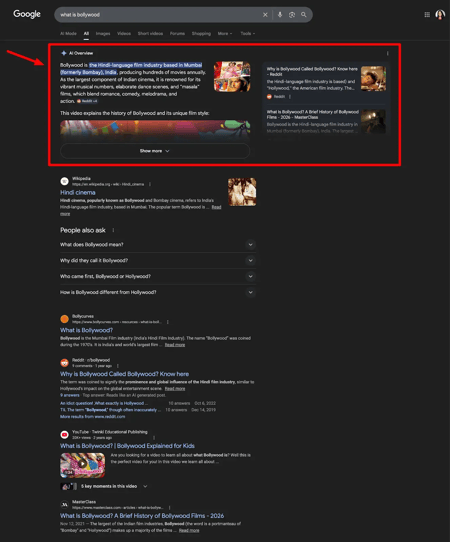
AI Overviews represent a significant leap in Google’s evolution, positioning generated summaries prominently at the very top of the SERP, superseding even paid advertisements and conventional organic listings. When an AI Overview is triggered by a user’s query, it presents a distilled answer, effectively pushing all traditional "blue links" much further down the page. The universally acknowledged axiom in SEO is that visibility diminishes sharply with lower SERP positions, and AI Overviews exacerbate this effect.
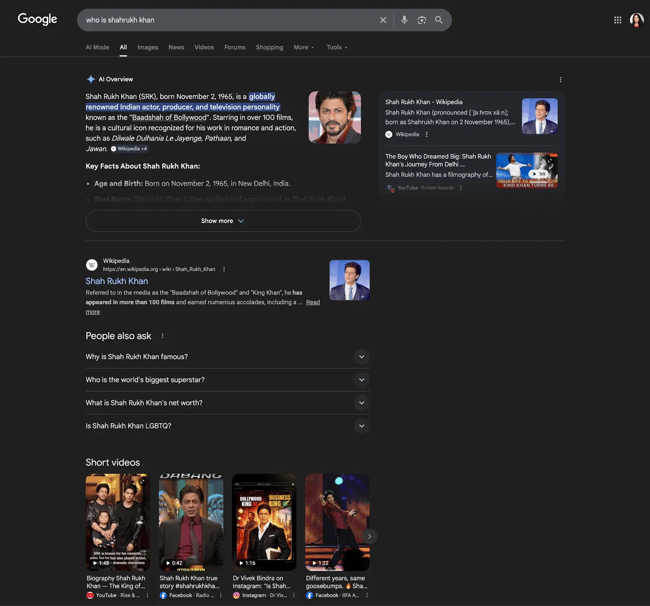
For a brand whose content is cited within an AI Overview, impressions might remain stable or even increase, signifying recognition by the AI. However, the crucial metric of clicks often plummets because users have already received their answer directly. This phenomenon is vividly illustrated by queries like "What is Bollywood?" where prominent sources like Masterclass and even YouTube video links are relegated multiple scrolls below the fold, out of immediate user sight. This represents a significant challenge for brand discovery and top-of-funnel engagement.
The rapid expansion of this feature underscores its strategic importance to Google. According to a projection by McKinsey, approximately half of Google’s search results already incorporate AI-powered features, including Overviews. This figure is anticipated to surge to an astonishing 75% by 2028, indicating a rapid and irreversible integration of generative AI into the primary search experience. This trajectory means that marketers observing declines in their traffic reports and questioning "Why did my website traffic drop after AI search?" are confronting the palpable reality of the "zero-click" phenomenon.
Further substantiating this trend, a comprehensive study conducted by Seer Interactive revealed a stark decline in organic CTR. Between June 2024 and September 2025, organic CTR for queries that triggered AI Overviews decreased by 61%. Alarmingly, even queries that did not generate an AI Overview experienced a 41% fall in CTR during the same period. This broader decline suggests that the impact of AI extends beyond direct overview interactions, pointing towards more fundamental shifts in user search behavior, including increased reliance on social media platforms and the burgeoning popularity of dedicated answer engines.
Beyond Google: The Rise of Answer Engines
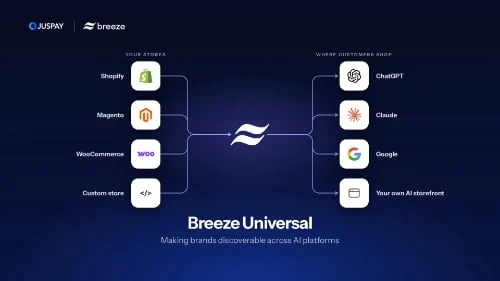
While Google’s AI Overviews are reshaping the traditional SERP, a parallel and equally disruptive trend is the growing preference for answer engines like ChatGPT and Perplexity. These AI assistants offer a conversational search experience, allowing users to pose complex questions and receive synthesized, coherent answers, often with embedded sources. This shift bypasses the traditional search engine interface entirely, creating a new "front door" to information.

For marketers, this means that optimizing solely for Google’s algorithmic changes is no longer sufficient. Content must be discoverable and understandable by a multitude of AI models, each with its own training data, indexing methods, and citation practices. This necessitates a broader approach to content strategy, moving beyond traditional SEO to what is increasingly termed Answer Engine Optimization (AEO).
Quantifying the Impact: Challenges in Measurement
One of the most pressing challenges for marketers navigating this new landscape is the difficulty in accurately measuring the specific impact of AI Overviews on web traffic. Google Search Console, the primary tool for webmasters, currently lacks the functionality to directly isolate or filter data related to AI Overviews. All performance metrics, including impressions and clicks garnered when content is cited in an AI Overview, are aggregated with standard web search data. This lack of granular insight makes it exceptionally difficult for brands to precisely attribute traffic changes to AI features.
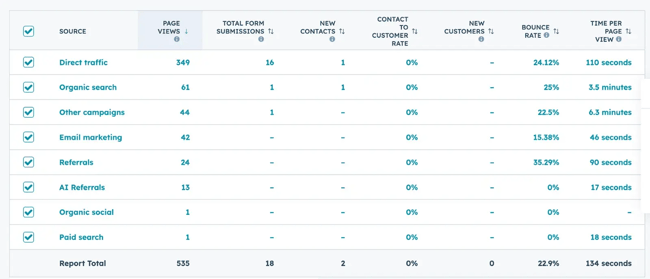
In response to this data void, some platforms are innovating. HubSpot, for instance, has integrated "AI Referrals" into its traffic source analytics. This category specifically tracks visitors originating from AI assistants and chatbots like ChatGPT, Claude, and Perplexity, including those who click on links provided within AI-generated responses. Furthermore, HubSpot’s AEO features, available in Marketing Hub Pro and Enterprise, aim to offer a more direct window into content performance within AI-powered search environments, tracking visibility and identifying optimization opportunities across various answer engines.
Third-party SEO tools are also stepping in to bridge this data gap. Platforms like Ahrefs provide estimates on which keywords trigger AI Overviews, whether a specific brand was cited, and the approximate traffic implications. While these are estimates, they offer valuable directional insights for marketers grappling with attribution.
Strategic Forecasting in the AI Era
Forecasting web traffic in the age of AI Overviews demands a more sophisticated approach than traditional methods. Amanda Sellers, HubSpot’s blog growth manager, advocates for a multi-faceted strategy that moves beyond simple linear regression. While linear regression is useful for modeling historical trends, it operates on the assumption that no major disruptions, such as algorithm updates or the proliferation of new SERP features like AI Overviews, will occur. This assumption is increasingly untenable in the dynamic AI-driven search environment.
Sellers highlights the rapid expansion of AI Overviews. Previously, they appeared for less than 10% of HubSpot’s blog keywords, primarily for simple informational definitions. Today, nearly 50% of their ranking keywords trigger an AI Overview. This volatility necessitates a more adaptive forecasting model. Sellers recommends frequently monitoring AI Overview exposure via tools like Ahrefs and conducting CTR curve analysis using data from Google Search Console. This allows marketers to model various scenarios, such as a 20% increase in AI Overview presence or the negative impact of a new algorithm update, layering these probabilities on top of a baseline linear regression.
Attributing performance changes precisely to AI Overviews versus other factors, such as seasonality or algorithm updates, is inherently complex. Linear regressions can help quantify seasonal patterns by identifying historical fluctuations (e.g., lower traffic in December, higher in January). By integrating these seasonality modifiers, marketers can establish a baseline and identify true performance anomalies. However, as Sellers notes, the interplay of keyword fluctuations, AI Overview appearance and disappearance, algorithm updates, and internal technical factors creates a highly intricate attribution challenge.
In a scenario where a significant algorithm update coincided with an increase in AI Overviews, Sellers found that 46.7% of a subsection of HubSpot’s keywords simultaneously lost positioning and gained an AI Overview. To untangle these intertwined effects, she segmented keywords into distinct buckets: those that lost positioning and gained an AIO, those that maintained position and gained an AIO, and control groups. By comparing the performance of these segments and analyzing hypothetical CTRs, she could estimate the relative impact of positioning changes versus AI Overviews. Her conclusion: AI Overviews were the significantly larger culprit, indicating substantial CTR losses even for content that maintained its high organic ranking.
Differentiating Query Impact: Who Wins and Who Loses?
Not all search queries are equally susceptible to the zero-click effect of AI Overviews. Data indicates a clear distinction between query types that are most vulnerable and those that continue to drive valuable website traffic.
Queries Most Vulnerable to Zero-Click:
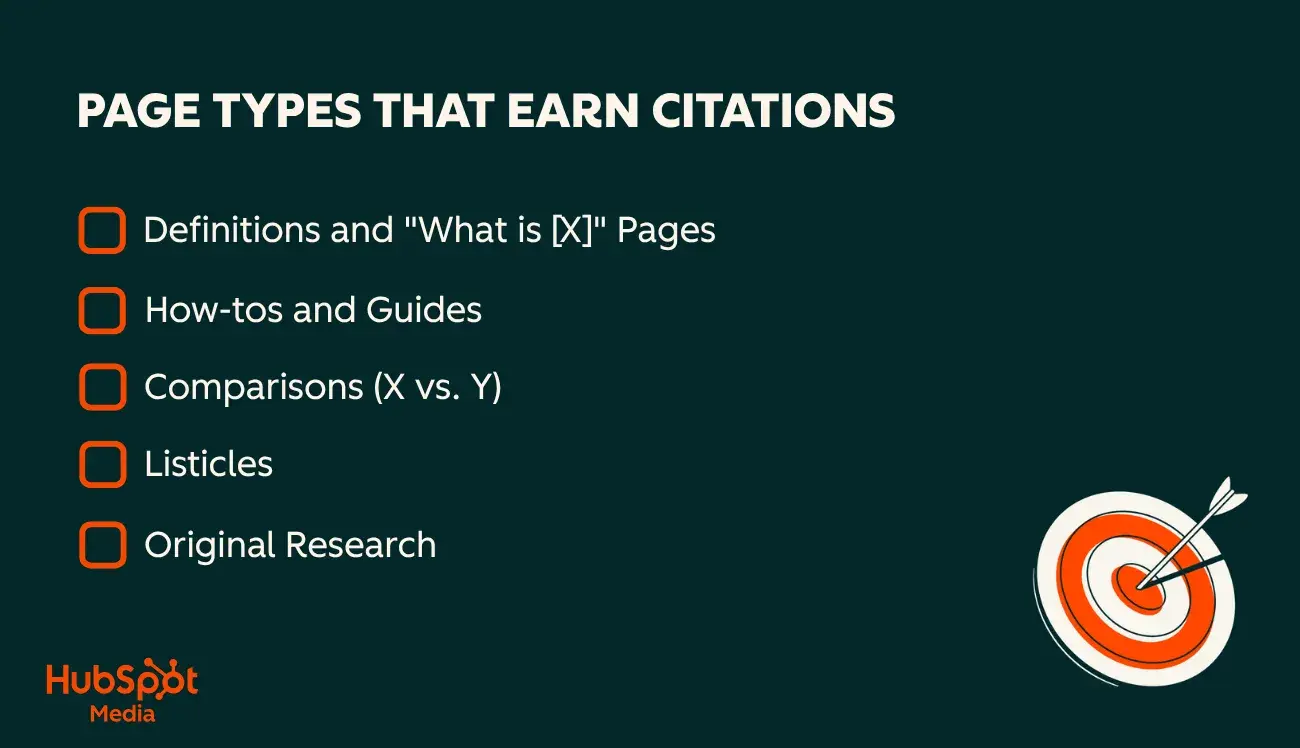
A 2025 report by Semrush revealed that nearly 95% of keywords triggering AI Overviews have minimal to no paid ads or overt commercial intent. This strongly suggests that Google is primarily deploying AI summaries for informational searches. This means that top-of-funnel educational content, traditionally a cornerstone for driving clicks and building brand awareness, is most at risk. Simple fact-based queries, "what is [concept]," "how to" explainers, definition queries, and single-source informational questions (e.g., "Who is Shahrukh Khan?") are prime candidates for AI Overviews, where the direct answer often negates the need for a click.
Queries That Still Earn the Click:
Conversely, the Semrush study also identified query types that maintain higher CTRs. Transactional keywords, incorporating terms like "buy," "compare," or "near me," are less frequently intercepted by AI Overviews because AI typically does not facilitate direct transactions. For example, a search for "Buy Shahrukh Khan DVD" will still lead to e-commerce sites.
Comparison queries (e.g., "X vs. Y for [use case]") also continue to generate clicks. Users seeking comparisons often desire in-depth analysis, nuanced perspectives, and validation that a brief AI summary cannot fully provide. The same applies to queries demanding local, real-time, or highly specific information, which often require interaction with a dedicated website or application.
In essence, the most resilient content for generating clicks and website traffic currently includes bottom-funnel content (e.g., pricing pages, detailed comparison guides, case studies), local service queries, highly niche or technical questions requiring specialized expertise, and original research that AI cannot readily synthesize from existing public data.
The Value of Citation: Quality Over Quantity
While AI Overviews may reduce the sheer volume of top-of-funnel traffic, a critical nuance emerges: being cited in an AI Overview can lead to higher-quality, more qualified website visitors. A study by Dataslayer found that brands cited in AI Overviews experienced 35% more organic clicks and a remarkable 91% more paid clicks than brands not cited for the same queries. While the exact causal relationship (whether it’s increased awareness or a pre-qualification effect) requires further study, this data is undeniably encouraging. It suggests a shift from a quantity-centric view of traffic to a quality-centric one.
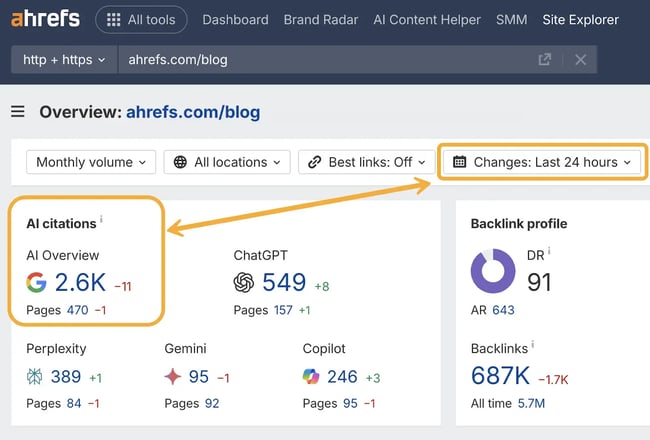
This implies that while brands may not control the appearance of an AI Overview, they can strategically optimize their content to earn the citation when one does appear.
Navigating the New Landscape: Answer Engine Optimization (AEO)
To thrive in this evolving search environment, marketers must embrace Answer Engine Optimization (AEO), a strategic approach that goes beyond traditional SEO to optimize content for AI-powered search results and direct answer generation. This involves several key practices:
- Original Research and Unique Insights: Content that presents novel data, proprietary studies, or unique perspectives is less likely to be fully synthesized by AI from existing sources. Such content offers a distinct advantage in earning citations and clicks.
- Structured Data Implementation (Schema Markup): Using schema markup helps search engines and AI models better understand the context and relationships within a webpage’s content. This machine-readable format facilitates easier extraction and citation of relevant information.
- Concise Q&A Sections: Integrating dedicated, clear, and concise Question and Answer sections directly addresses common user queries, making it easier for AI to extract definitive answers and cite the source.
- Adherence to E-E-A-T Principles: Google’s emphasis on Experience, Expertise, Authoritativeness, and Trustworthiness (E-E-A-T) is amplified in the AI era. High-quality, well-researched, and expert-authored content is more likely to be deemed credible and thus cited by AI.
- Optimizing for Multimodal Search: As AI capabilities expand to include image, video, and voice search, content strategies must evolve to incorporate multimodal optimization, ensuring content is accessible and relevant across various formats.
- Content Hubs and Thematic Authority: Developing comprehensive content hubs around specific topics establishes thematic authority, signaling to AI models that a site is a definitive source for related information.
Platforms like HubSpot’s Content Hub can assist content creators in templating these patterns, streamlining content briefs, and maintaining editorial governance at scale. Furthermore, HubSpot’s AEO capabilities within Marketing Hub Pro and Enterprise provide tools to track AI citation performance and optimize content specifically for visibility across various answer engines, offering insights into a channel that traditional analytics often overlook.
The Imperative of Owned Channels
In an environment where external platforms dictate access to audiences, the value of owned channels has never been more pronounced. If more than 50% of a business’s current web traffic is derived from non-branded organic search, it is arguably overexposed to the volatility of algorithmic changes and AI-driven shifts.
Owned channels, such as email lists, subscriber communities, newsletters, and direct audience relationships, offer a sanctuary from the cannibalization effects of AI Overviews, algorithm updates, or changes in Google’s rendering. These direct connections build a loyal audience that is immune to external platform dictates. The value of cultivating an owned audience compounds over time, representing the only distribution channel where a business’s results are entirely its own.
Publishers that boast high branded and direct traffic, such as the Daily Mail (where over 60% of traffic is direct), have demonstrated significantly greater resilience to AI Overview disruptions compared to sites heavily reliant on non-branded organic search. This underscores the strategic importance of investing in audience building and direct engagement now.
Website Traffic is Reincarnating
The notion that AI is "killing" web traffic is an oversimplification. Rather, AI is orchestrating a profound reincarnation of how digital engagement is initiated and measured. While clicks for informational queries, particularly non-branded ones, are indeed declining, the traffic generated from AI citations, for brands that successfully earn them, often converts at rates that surpass traditional organic search. This signals a shift from a focus on sheer volume to one on qualified intent.
Marketers poised to thrive in this new era are those who move beyond purely click-centric metrics. Success will increasingly be defined by metrics such as visibility within AI-generated results, citation frequency, share of voice, and the growth of branded search queries. The structural transformation driven by AI is a fundamental and irreversible change. The key determinant of success will be whether businesses strategically position themselves on the right side of this evolution.
Tools like HubSpot AEO are becoming indispensable, empowering marketers to make answer engine visibility measurable. This allows teams to optimize not just for clicks, but for the broader influence, presence, and citations within the dynamic, AI-driven search experiences that are defining the future of digital interaction.