rifanmuazin
The modern media landscape is defined by a paradox of hyper-connectivity and fragmented trust. As information travels at the speed of a viral post, the institutions responsible for public safety and the brands seeking market share face a common challenge: the necessity of precise, timely, and platform-appropriate communication. Recent developments involving the Centers for Disease Control and Prevention’s (CDC) response to a hantavirus outbreak, the shifting dominance of LinkedIn in the era of artificial intelligence, and a high-stakes "newsjacking" success following the shutdown of Spirit Airlines provide a comprehensive look at the state of strategic communication in 2026. These cases underscore a fundamental truth in public relations: the effectiveness of a message is determined not only by its content but by the strategic vacuum it fills or fails to address.
The Hantavirus Crisis: A Study in Communication Latency
In early May 2026, the global health community turned its attention to the MV Hondius, a Dutch-registered cruise ship that had become the epicenter of a rare hantavirus outbreak. The vessel departed from Argentina on April 1, embarking on a multi-week expedition through the South Atlantic with stops in Antarctica and South Georgia Island. By the time the ship’s journey reached its later stages, a public health emergency had materialized. As of May 14, medical officials have confirmed or suspected 11 cases of the virus among passengers and crew, resulting in three fatalities.
The specific pathogen identified is the Andes virus, a strain of hantavirus primarily found in South America. Unlike many other hantaviruses, which are typically transmitted from rodents to humans via aerosolized excreta, the Andes virus is unique for its documented ability to spread through person-to-person contact. While this transmission usually requires close and prolonged proximity, the confined environment of a cruise ship provided an ideal setting for an outbreak, sparking international concern.
The primary communications failure, however, was not the medical response but the administrative silence that followed. The World Health Organization (WHO) issued a global alert regarding the MV Hondius shortly after the first cases were confirmed. In contrast, the CDC waited an additional four days before issuing a formal health advisory to the American public. During those 96 hours, a massive information vacuum was created. In the absence of official guidance, social media platforms became breeding grounds for misinformation, with many users drawing parallels to the early days of the COVID-19 pandemic.
The CDC currently classifies the risk to the general U.S. public as "extremely low," a sentiment echoed by infectious disease experts who note that the outbreak appears contained. However, the damage to public confidence was already done. Reports indicate that the delay in communication was partly due to significant staffing reductions within the CDC’s communications department in early 2025, a result of the Department of Government Efficiency (DOGE) initiatives. These cuts left the agency with a diminished capacity to monitor and respond to emerging narratives in real-time.
Virginia state epidemiologist Laurie Forlano noted that while behind-the-scenes coordination between state health departments and the CDC was robust, the lack of a public-facing narrative created unnecessary panic. One passenger returning to Virginia only contacted health authorities after seeing sensationalized reports on the news, rather than receiving proactive guidance from federal sources. This disconnect highlights a critical lesson for public health agencies: internal efficacy is insufficient if it is not matched by external transparency. As Dr. Céline Gounder, an infectious disease physician, observed, silence in a crisis "breeds conspiracy theories."
The Rise of Generative Engine Optimization: LinkedIn’s New Dominance
While public health agencies struggle with traditional communication channels, the digital landscape for B2B brands is undergoing a radical transformation driven by artificial intelligence. A landmark report from Meltwater, which analyzed 9.5 million AI-generated citations across 16 major B2B categories, has revealed a significant shift in how information is discovered and disseminated. According to the study, LinkedIn has emerged as the second most-cited source for AI models, trailing only YouTube.
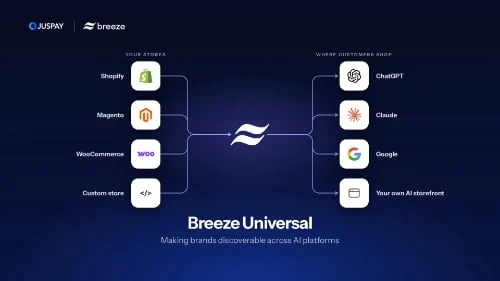
As generative AI tools such as ChatGPT, Google Gemini, Anthropic’s Claude, and Microsoft Copilot become the primary research interfaces for professionals, the concept of Search Engine Optimization (SEO) is being replaced by Generative Engine Optimization (GEO). The Meltwater data suggests that AI models favor LinkedIn due to its high domain authority, the structured nature of its data, and the inherent credibility of verified professional profiles.
For brands and executives, this means that a LinkedIn strategy is no longer just about social engagement; it is a critical component of AI visibility. The study found that AI models frequently cite "how-to" guides, expert commentary, and industry white papers hosted on the platform. Unlike traditional search engines that prioritize keywords, AI models prioritize the depth and utility of the content. Alexandra Bjertnæs, Chief Strategy Officer at Meltwater, emphasized that the content being rewarded is rarely "polished marketing copy." Instead, it is practical, expert-driven guidance that addresses specific professional pain points.
The implications for corporate communication are profound. To remain relevant in an AI-first world, organizations must pivot toward "thought leadership" that is both data-rich and human-centric. This involves encouraging subject matter experts within the company to publish long-form articles and structured updates that AI scrapers can easily categorize as authoritative. In this new ecosystem, being "discoverable" is the baseline; being "the answer" provided by an AI model is the ultimate goal.

The Spirit Airlines Shutdown: A Masterclass in Newsjacking
The third pillar of this week’s PR landscape involves the abrupt cessation of operations by Spirit Airlines on May 2. While the business community focused on the financial collapse of the ultra-low-cost carrier, a viral movement and a savvy PR firm demonstrated the power of "newsjacking"—the practice of aligning a brand or expert with a breaking news story to gain media coverage.
The viral spark came from Hunter Peterson, a 32-year-old voice actor and aviation enthusiast. Peterson proposed a novel, albeit legally complex, solution to the airline’s demise: a public buyout. He suggested that if a significant portion of the American public contributed approximately $45 each, the airline could be purchased and operated under a community-owned model similar to the Green Bay Packers. The proposal resonated with a public weary of corporate consolidation and declining service standards.
Peterson’s TikTok and Instagram content garnered over 7 million views, leading to more than $335 million in nonbinding pledges on a dedicated website. According to data from Sprout Social, the campaign generated an estimated $1.7 million in earned media value. While the likelihood of a public buyout remains slim, the cultural momentum was undeniable.
This momentum provided a unique opportunity for Pace Public Relations. The firm represented an attorney with deep expertise in aviation law and sought to position him as a commentator on the Spirit shutdown. Initially, traditional pitches focused on the bankruptcy and financial implications failed to gain traction with major outlets. However, as the "public buyout" narrative took hold, the agency pivoted its strategy. By framing the client’s expertise around the legal feasibility of Peterson’s viral proposal, Pace PR secured extensive coverage in People magazine and other high-profile outlets.
Annie Scranton, CEO of Pace Public Relations, noted that the success was a result of persistence and adaptability. "Timeliness is key, but the story often changes as it develops," Scranton said. This case serves as a vital reminder for PR professionals that the first "no" from a reporter is often just an invitation to find a more compelling angle. By moving from a "hard news" financial pitch to a "human interest and viral trend" pitch, the firm was able to capture the attention of a much broader audience.
Synthesis and Strategic Implications
The common thread connecting the CDC’s hantavirus response, LinkedIn’s AI citation growth, and the Spirit Airlines viral campaign is the critical importance of narrative control. In each instance, the entities that succeeded were those that recognized the shifting preferences of their audience and the technical platforms they inhabit.
For public health organizations, the lesson is one of proactive transparency. The CDC’s failure to match the WHO’s speed created a vacuum that allowed fear to outpace facts. In an era of reduced institutional staffing, the use of automated monitoring and rapid-response communication protocols is no longer optional; it is a requirement for maintaining public trust. As Richard Hatzfeld of Finn Partners noted, these outbreaks are "stress tests" for our collective ability to coordinate and communicate under pressure.
For corporate entities, the Meltwater report on LinkedIn serves as a clarion call to invest in high-quality, expert-driven content. The transition from SEO to GEO represents a fundamental shift in how brand authority is built. Brands that fail to establish a credible presence on platforms trusted by AI models risk being excluded from the "answers" provided to the next generation of decision-makers.
Finally, the Spirit Airlines newsjacking case illustrates that in a fragmented media environment, agility is the greatest asset of a communications team. The ability to identify a cultural "moment" and provide an expert voice that adds value to that moment is what separates successful PR firms from those that merely distribute press releases.
As we look toward the remainder of 2026, the landscape of strategic communication will continue to be shaped by the interplay of human emotion and technological advancement. Whether managing a localized viral outbreak or a global viral video, the objective remains the same: to be the most credible voice in the room, delivered at the exact moment the world is listening.