admin
admin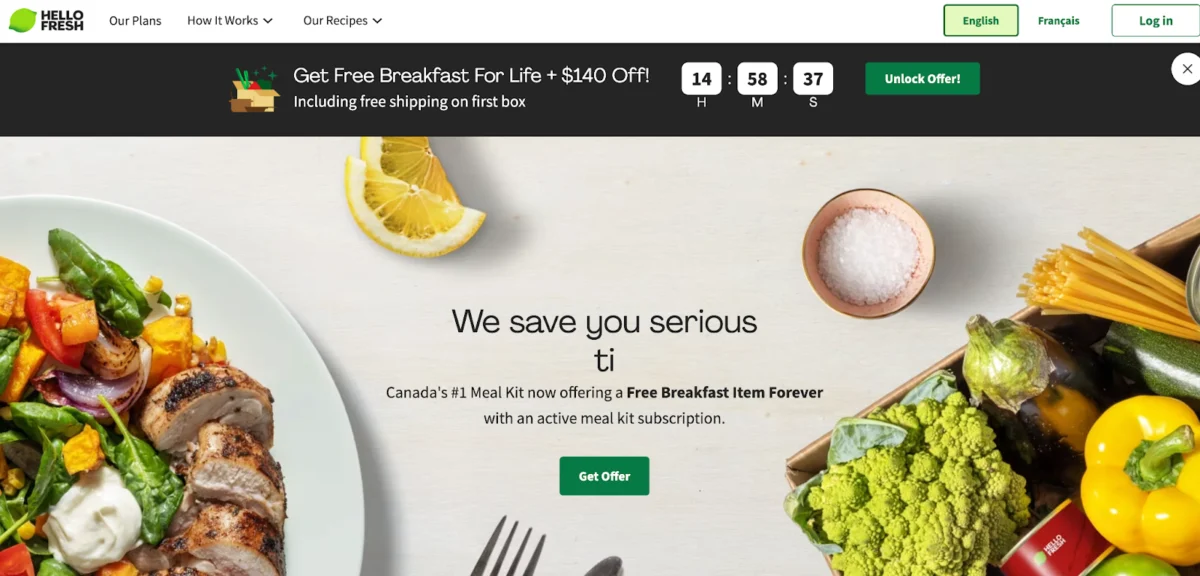
In the increasingly competitive digital marketplace of 2024, the ability to transform anonymous website traffic into actionable business opportunities remains the primary objective for growth-oriented organizations. Lead generation, defined as the process of attracting and initiating consumer interest in a product or service, serves as the critical bridge between marketing awareness and sales revenue. According to recent industry benchmarks, high-performing marketing teams now allocate approximately 53% of their total budget to lead generation efforts, reflecting a strategic shift toward measurable acquisition over general brand exposure.
The complexity of modern consumer behavior necessitates a multi-faceted approach. Marketers are no longer choosing between single channels; instead, they are orchestrating integrated systems that combine inbound pull and outbound push methodologies. While inbound marketing focuses on creating value-driven content to attract self-motivated prospects, outbound marketing involves proactive outreach to targeted segments. As digital privacy regulations like GDPR and CCPA continue to evolve, the emphasis has shifted toward "permission-based" marketing, where the value exchange—content for contact information—must be clearly defined and highly relevant.

The Evolution of Digital Acquisition: A Chronological Context
The methodologies used for lead generation have undergone significant transformation over the last two decades. In the early 2000s, lead generation was largely synonymous with direct mail, telemarketing, and rudimentary email blasts. The "Outbound Era" relied on volume and interruption to capture attention.
By 2010, the "Inbound Revolution," popularized by the rise of search engine optimization (SEO) and social media, shifted the power dynamic toward the consumer. Businesses began to prioritize being "found" rather than "finding." Between 2015 and 2020, the focus moved toward automation and the "Sales Funnel" architecture, where landing pages and lead magnets became the standard for capturing digital intent.
Today, in the post-pandemic landscape, lead generation has entered a "Precision Era." This stage is characterized by AI-driven personalization, interactive content, and a focus on lead quality over raw quantity. Industry data from 2023 indicates that while 61% of marketers struggle with lead generation, those utilizing integrated landing page technologies and automated nurturing sequences see a 45% higher ROI than those using disparate tools.

Strategic Pre-requisites: Defining the Target Audience
Before deploying tactical execution, organizations must establish a foundational understanding of their market. Effective lead generation is predicated on the accurate identification of the Ideal Customer Profile (ICP) and the Buyer Persona. Market analysts suggest that campaigns targeting specific personas are twice as effective as those utilizing a broad-spectrum approach.
Defining the target market requires a two-step verification process. First, the organizational level (firmographics) must be analyzed, including industry vertical, company size, and geographic location. Second, the individual buyer level (demographics and psychographics) must be mapped, identifying the decision-maker’s pain points, professional goals, and preferred information consumption channels. Failure to align tactics with these definitions often results in "lead leakage," where resources are spent attracting visitors who lack the intent or authority to purchase.
13 Core Lead Generation Strategies for Modern Marketers
The following strategies represent the current industry standards for capturing and converting digital prospects.

1. Conversion-Optimized Landing Pages
The landing page serves as the focal point of most inbound campaigns. Unlike a general homepage, a landing page is designed with a single goal: conversion. By removing navigation menus and focusing on a singular call-to-action (CTA), businesses can significantly reduce friction. Data from Unbounce suggests that landing pages with a single offer can increase conversion rates by up to 266% compared to those with multiple offers.
2. Inbound Content Marketing Systems
Content marketing involves the creation of educational or entertaining assets—such as whitepapers, blog posts, and videos—that address specific user queries. This strategy builds authority and trust. When content is integrated with lead capture mechanisms like "content upgrades" (e.g., a downloadable PDF version of a guide), it transforms passive readers into active leads.
3. Search Engine Optimization (SEO)
SEO ensures that a brand’s landing pages and content appear when potential customers search for relevant solutions. In 2024, SEO has moved beyond simple keyword stuffing to "search intent optimization." By aligning content with the user’s stage in the buying journey—informational, navigational, or transactional—companies can capture high-intent traffic at a lower long-term cost than paid alternatives.

4. Targeted Cold Email Outreach
Despite the rise of social media, email remains a cornerstone of B2B lead generation. Modern cold outreach has moved away from "spray and pray" tactics toward hyper-personalization. Using intent-based signals—such as a prospect’s recent job change or a company’s funding round—allows sales teams to reach out with high relevance, increasing response rates by an average of 30%.
5. Website Popups and Sticky Bars
While often viewed as intrusive, well-timed popups and sticky bars remain effective. "Exit-intent" popups, which trigger when a user is about to leave a site, provide a final opportunity to capture a lead. Industry studies show that the average popup conversion rate is around 3%, but high-performing, offer-driven popups can exceed 9%.
6. Social Media Marketing and Discovery
Social media platforms have transitioned from simple networking sites to discovery engines. Organic social strategies build community, while paid social allows for granular targeting based on interests and behaviors. The rise of "social selling" on platforms like LinkedIn has enabled sales professionals to generate leads through direct engagement and thought leadership.

7. Pay-Per-Click (PPC) Advertising
PPC campaigns on Google and Bing offer immediate visibility for high-value keywords. This strategy is particularly effective for "bottom-of-the-funnel" leads who are ready to purchase. While the cost-per-click (CPC) has risen across many industries, the ability to control budget and measure exact attribution makes PPC a staple for rapid growth.
8. Webinars and Live Digital Events
Webinars provide a platform for deep-dive education. They are considered high-intent lead magnets because they require a significant time commitment from the attendee. Marketing experts note that while webinar lead volume may be lower than a simple eBook download, the "sales-readiness" of these leads is typically much higher.
9. Referral and Word-of-Mouth Programs
Referral marketing leverages the trust existing customers have with their peers. By offering incentives—such as discounts or cash bonuses—businesses can turn their customer base into a secondary sales force. Referrals often have the highest conversion rate and the longest customer lifetime value (CLV) of any lead source.

10. Influencer and Creator Partnerships
Partnering with industry influencers allows brands to tap into established, trusting audiences. This is no longer limited to consumer goods; B2B "micro-influencers" on LinkedIn and industry-specific newsletters are becoming critical channels for reaching niche professional segments.
11. Retargeting and Remarketing Campaigns
Statistically, 98% of initial website visitors do not convert. Retargeting ads follow these visitors across the web, serving as a reminder of the value proposition. This "win-back" strategy is essential for maintaining brand salience during longer sales cycles.
12. Free Trials and Product Demos
The "Product-Led Growth" (PLG) model relies on giving users a hands-on experience before the point of sale. Free trials and demos reduce the perceived risk for the buyer and allow the product’s value to speak for itself. This strategy is particularly dominant in the SaaS (Software as a Service) sector.

13. Interactive Tools and Quizzes
Quizzes and calculators (e.g., "ROI Calculators") engage users through participation. These tools provide immediate, personalized value to the user while allowing the business to collect "zero-party data"—information intentionally and proactively shared by the consumer.
Supporting Data and Performance Metrics
To evaluate the success of these strategies, marketers track several Key Performance Indicators (KPIs). The "Conversion Rate" (CR) measures the percentage of visitors who become leads, while the "Cost Per Lead" (CPL) calculates the marketing spend required to acquire a single prospect.
According to 2024 industry reports:

- The average conversion rate for B2B landing pages across all industries is 2.23%.
- Companies that use marketing automation to nurture leads experience a 451% increase in qualified leads.
- Content marketing generates three times as many leads as outbound marketing but costs 62% less.
Official Responses and Industry Sentiment
Leading Chief Marketing Officers (CMOs) have recently voiced a shift in perspective regarding lead generation. In a recent industry summit, several executives noted that the "quantity era" of lead generation is ending. "The goal is no longer to fill the database with names," stated one tech sector CMO. "The goal is to identify intent. We are looking for ‘hand-raisers’—prospects who have demonstrated a specific need that our solution can solve today."
Software providers like Unbounce and HubSpot have responded to this sentiment by integrating artificial intelligence into their platforms. These tools now offer "Smart Traffic" features that automatically route visitors to the landing page version most likely to convert them based on their browsing history and demographic profile.
Broader Impact and Future Implications
The long-term success of lead generation strategies will increasingly depend on the balance between automation and human-centric marketing. As AI makes it easier to generate content and send emails, the digital space will become more crowded. This "noise" will likely drive a return to high-quality, original research and authentic brand storytelling as the only ways to truly differentiate.

Furthermore, the integration of sales and marketing (often termed "Smarketing") is becoming mandatory. Lead generation can no longer exist in a vacuum; it must be tied to a robust lead nurturing and scoring system that ensures the sales team focuses only on the most viable opportunities. As businesses look toward 2025, those who master the 13 strategies outlined above—while maintaining a rigorous focus on data privacy and user experience—will be best positioned to capture market share in an evolving digital economy.